Haute Aviation Secures FAA Approval for US Flights
Haute Aviation secures FAA Part 129 approval for its Falcon 6X and Falcon 2000LXS, allowing the Swiss charter operator to offer commercial flights to and from the US.
 Jishan Khan
Haute Aviation’s New Jets Needed a Second Permission Before They Could Fly Charters to America
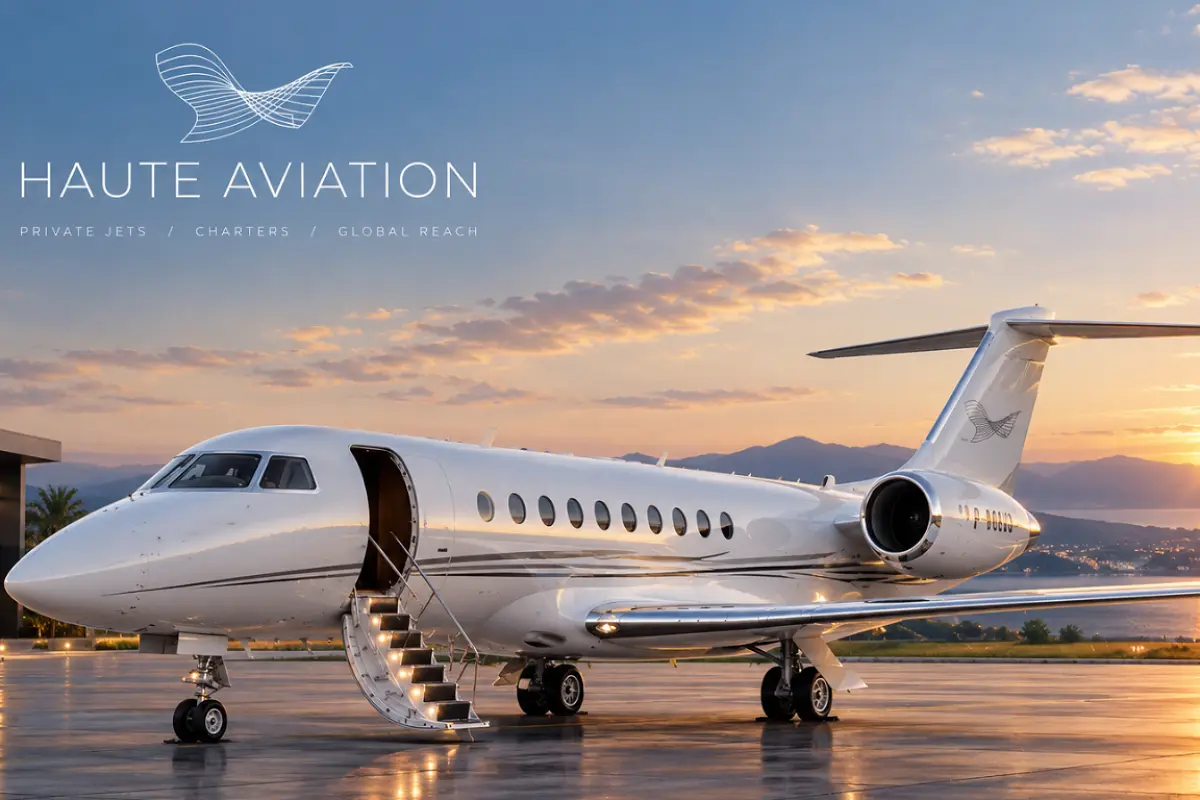
Swiss charter operator Haute Aviation has received FAA Part 129 Operations Specifications approval for its Falcon 6X and Falcon 2000LXS, which it needs to fly commercial charters to and from the United States.
ch-aviation reports the operator announced the approval on social media, following the fleet growth its chief executive, Alexander Tamagni, discussed in an October interview.
Owning the Jet Isn’t the Same as Being Allowed to Fly It There
A new aircraft in the fleet doesn’t automatically mean an operator can sell it for charter anywhere. A foreign operator flying commercially into the US needs FAA approval for the aircraft it uses, and Haute’s approval covers these two types. Think of it as a work permit for each jet, separate from owning it.
That makes the paperwork part of the product, the same lesson as Luks Aviation’s San Marino certificate. Without the approval, two new jets are Europe-only inventory.
The Two Jets
The Falcon 6X is the long-range one. It has a 5,500-nautical-mile range, a 16-seat cabin with 6.5 feet of standing height and certification from the FAA and EASA in August 2023. The Falcon 2000LXS is the older, smaller aircraft, certified in 2013, and GlobalAir cites Paris–New York as its sort of mission. One is built for transatlantic flights with a full cabin, the other for smaller groups on the same routes.
GlobalCharter puts typical 6X charter rates at $10,000 to $13,000 an hour. That’s the market range, not Haute’s price.
A Small Operator Building a Transatlantic Product
Haute is based in Saanen/Gstaad, and ch-aviation lists four aircraft for it. The same publication reported on October 9 that it is adding the Falcon 6X and a Praetor 500. Haute hasn’t said what US routes or volumes it expects.
In business aviation, the fleet only earns what the certificates allow, and this approval turns two new jets into transatlantic capacity.