Air France KLM Martinair, Cathay Cargo Shift to Navi Mumbai Airport
Air France KLM Martinair Cargo and Cathay Cargo will become among the first international freight carriers at Navi Mumbai Airport.
 Jishan Khan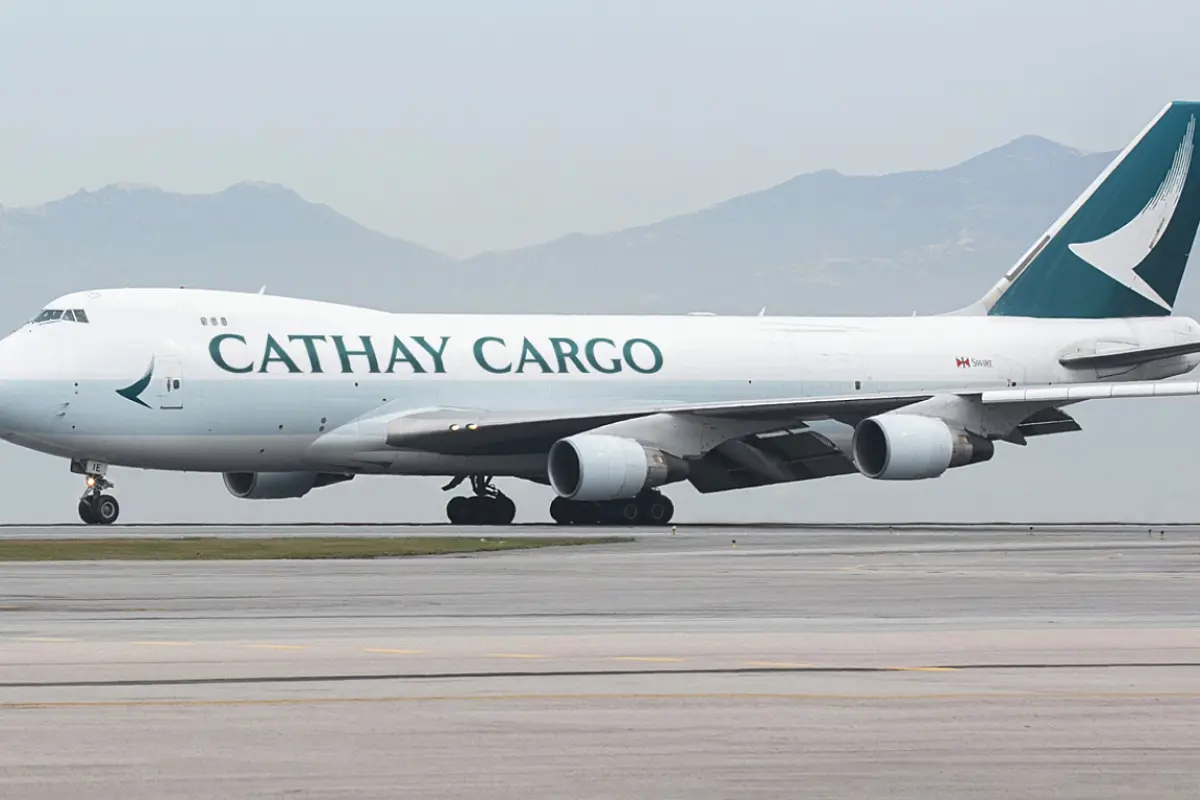
Air France KLM Martinair and Cathay Are Betting on Navi Mumbai, One Day After It Opened Internationally
Air France KLM Martinair Cargo and Cathay Cargo have committed to shifting their Mumbai cargo operations to Navi Mumbai International Airport, which launched its first international flights and cargo freighter services on July 15, 2026, yesterday. The two carriers are among the earliest international freight operators to signal a move to the brand new facility operated by Adani Airport Holdings.
The ink on the airport's international operating certificate is barely dry. The vote of confidence from two of the world's largest cargo carriers landed within hours.
Why Navi Mumbai and Why Now
Chhatrapati Shivaji Maharaj International Airport has been running near capacity for years. Slot constraints and runway congestion have blocked airlines from adding new international services, pushed shippers toward alternatives in Bengaluru, Hyderabad and Delhi, and created chronic ground delays that cost freight operators both time and money. Navi Mumbai was built specifically to absorb what Mumbai could no longer handle, a 0.8 million tonne annual cargo capacity in Phase 1 alone, with the airport designed to eventually process 2.5 million tonnes per year by 2032 across all phases.
For Air France KLM Martinair and Cathay Cargo, the move is straightforward logistics math. A less congested facility with modern infrastructure, room to grow, and direct connectivity to major highway links including the Atal Setu sea bridge, which cuts the transfer time from central and south Mumbai dramatically, is simply a better base of operations than a saturated airport where every slot is contested.
The Timing Matters as Much as the Decision
Navi Mumbai handled its first export cargo shipment, perishable goods, on the inaugural Abu Dhabi passenger flight yesterday. The commitment from two established international freight carriers arriving this early in the airport's life sends a signal to every other global cargo operator still evaluating the market. Early movers in a new hub define its character, if Air France KLM Martinair and Cathay set up here first, the ground handlers, customs brokers, forwarders and logistics providers follow, and the network effects compound quickly.
India's cargo market is not a secondary consideration. The country handled approximately 3.5 million tonnes of air freight in 2025 and is targeting significant growth on the back of electronics manufacturing, pharmaceutical exports, e-commerce and the government's production-linked incentive schemes pulling global supply chains into the country. Mumbai is the gateway to much of that volume, and Navi Mumbai is now the release valve that lets that gateway actually function at the scale the demand requires.
The airport is one day old internationally. The freight story, though, is already writing itself.