Condor to Base Airbus A320 at Münster/Osnabrück Year-Round
Condor will base an Airbus A320 at Münster/Osnabrück Airport from winter 2026/27, introducing year-round operations and direct leisure flights.
 Jishan Khan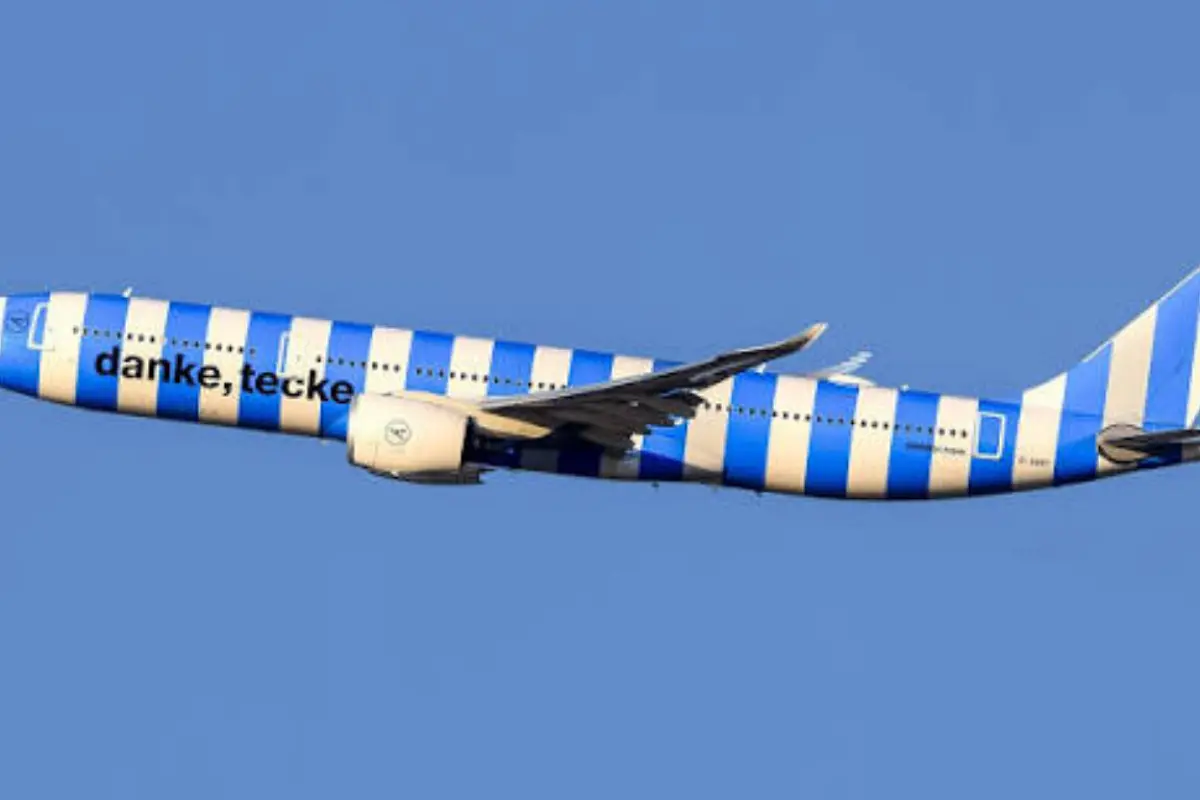
Condor Is Basing an Aircraft at Münster/Osnabrück This Winter, Turning a Seasonal Stop Into a Year-Round Station
Condor will station an Airbus A320 at Münster/Osnabrück Airport from the start of the winter 2026/27 schedule in early November, operating twice-weekly direct flights to Gran Canaria, Tenerife and Hurghada. The move converts FMO from a summer-only stop, where Condor currently runs daily Palma de Mallorca flights, into a year-round base in the airline's network.
For a regional airport of 1.3 million passengers, having an aircraft permanently on the ground changes the commercial picture entirely.
What Basing an Aircraft Actually Means
There is a meaningful difference between an airline flying to an airport and an airline basing a jet there. A based aircraft means early morning departures, late evening returns, local crew, and scheduling built around the airport rather than around a hub elsewhere. For FMO, Condor's director of communications and marketing Daniel de Carvalho confirmed the airline is developing the location into a year-round destination in its network, not a seasonal rotation but a permanent operational commitment. That is the kind of stability regional airports need to justify further investment in capacity and infrastructure.
FMO serves a core catchment area of more than 3.4 million inhabitants across Münsterland and the Osnabrück region, a population base large enough to sustain leisure flying to the Canaries and Egypt through winter, when sun destinations perform best commercially. The twice-weekly frequency to each of the three routes gives Condor enough volume to keep the aircraft profitable without oversaturating a market that would struggle to fill daily departures on thinner winter demand.
The Commercial Risk Hiding in Plain Sight
Critics from the aviation industry point out that the market for classic winter sun destinations from German regional airports is considered extremely price-sensitive and faces strong competition from larger hubs like Düsseldorf or Frankfurt. Passengers from the FMO catchment area often switch to larger airports when there are significant price differences. Furthermore, the aging Airbus A320ceo fleet, which Condor still partially uses on such routes, operates at higher costs than more modern aircraft generations, further exacerbating margin pressure on highly competitive routes such as to Egypt.
Those are real constraints. The Canaries and Hurghada routes are not niche products, they are among the most fought-over leisure corridors in the German market, and price comparison tools make switching airports a two-minute decision for a fare-sensitive family booking a winter holiday. Condor's edge is convenience, no transfer, no hub connection, no extra travel to Düsseldorf, but convenience only wins when the price gap is not too wide.
The long-term profitability of this winter commitment depends significantly on cooperation with major tour operators, who bundle flights with hotel packages and guarantee minimum load factors. If the tour operator relationships hold, the based aircraft pays for itself. If they don't, winter at FMO becomes an expensive experiment.
Condor is betting on the convenience argument winning. The winter schedule will tell you whether it did.