Lufthansa Group Fleet: New A350-1000 Routes Replace Retired A340s
The Lufthansa Group fleet is evolving: SWISS retires its final A340 while Lufthansa unveils its first A350-1000 route. See the transition in action.
 Rahul Roy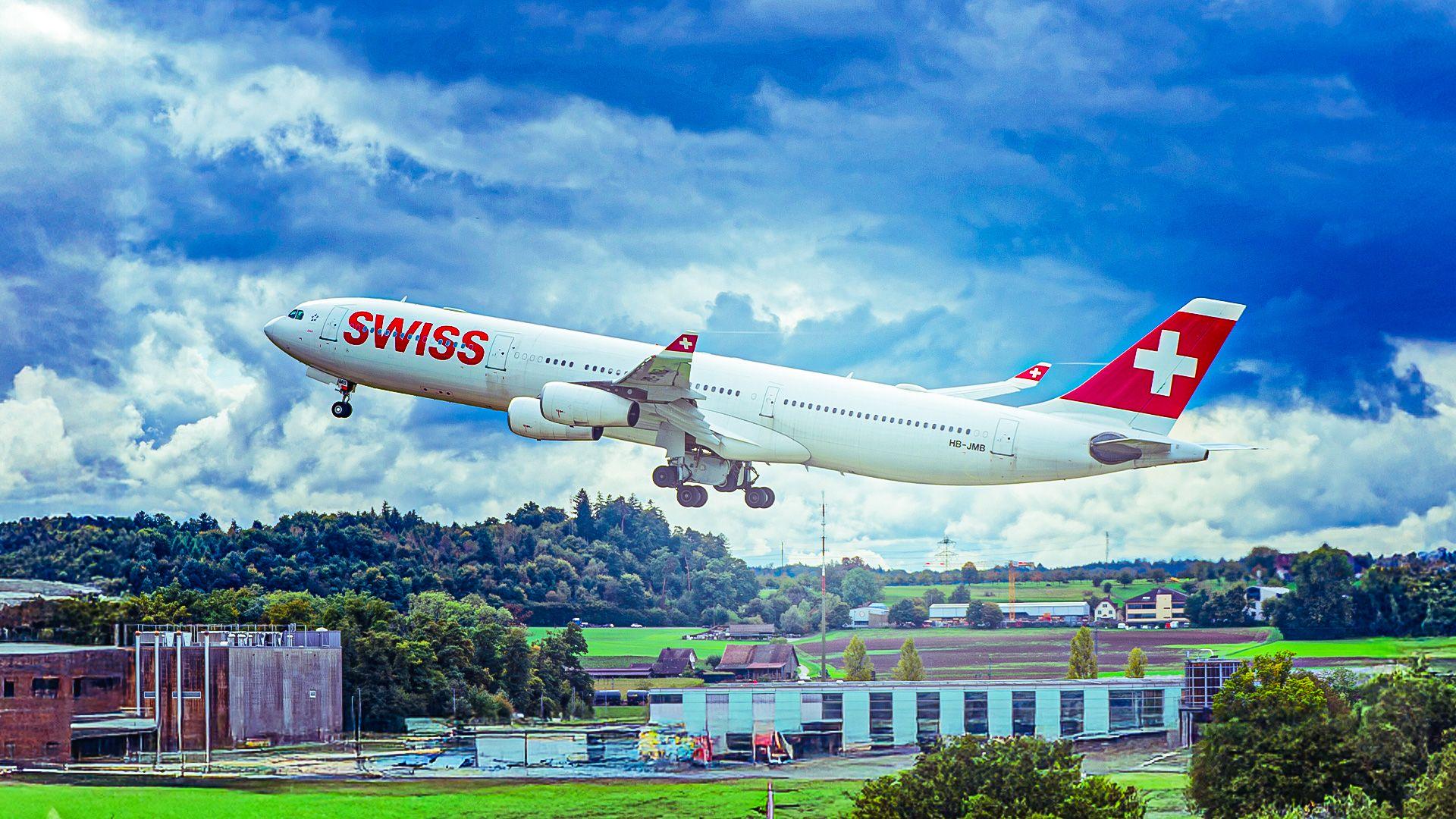
Out With The Old, In With The New: Aviation Evolution Across the Lufthansa Group Fleet
The global aviation landscape is currently undergoing a significant shift as carriers modernize their operations. This pivot is clearly visible within the lufthansa group fleet, where older frames are exiting service to make room for fuel-efficient replacements. These developments highlight a broader widebody aircraft transition occurring throughout the industry.
Significant operational changes occurred yesterday for two major carriers within the group. One airline bid farewell to a veteran jet, while another confirmed exciting deployment plans for its newest flagship. Such updates are essential for followers of aviation industry news who track fleet modernization strategies.
Strategic Shifts in the Lufthansa Group Fleet
SWISS recently moved forward with its long-term fleet renewal strategy. The carrier officially retired another Airbus A340, marking a pivotal moment in the swiss a340 retirement program. This reduction of older, four-engine aircraft reflects a commitment to operational efficiency.
The lufthansa group fleet remains focused on lowering environmental impact through modernized hardware. By phasing out these legacy jets, the airline improves its overall sustainability profile. Maintaining a lean lufthansa group fleet allows the carrier to optimize maintenance schedules effectively.
Expansion and Innovation in Long-Haul Operations
Lufthansa has simultaneously provided clarity regarding its newest aircraft additions. The airline officially revealed the inaugural lufthansa a350-1000 route, signaling a major step forward for its passenger experience. This move is a key component of the broader lufthansa long-haul expansion strategy.
The addition of this advanced aircraft offers several operational advantages
- Increased passenger capacity on key international corridors.
- Improved fuel efficiency compared to previous generation widebodies.
- Enhanced cabin comfort features for long-distance travelers.
As a core element of the lufthansa group fleet, the A350-1000 will serve as a cornerstone for future growth. The arrival of this jet aligns with the group’s vision for premium long-haul service. Integrating this technology into the lufthansa group fleet strengthens its competitive position.
Navigating the Future of Global Aviation
The simultaneous retirement and induction of aircraft underscores a period of active renewal. Managing the lufthansa group fleet requires careful coordination between these distinct airline brands. Each milestone serves as a testament to the ongoing evolution of the lufthansa group fleet at large.
Future fleet adjustments will likely continue along this trajectory of modernization. Stakeholders are closely watching how the lufthansa group fleet balances legacy equipment with state-of-the-art technology. These transitions ensure the airline remains a leader in global connectivity.
In conclusion, the recent activity involving SWISS and Lufthansa showcases the dynamic nature of fleet management. The shift toward modern aircraft is essential for long-term viability and operational excellence. By retiring older models and introducing efficient new jets, the airlines are well-positioned for the future of international travel.
More updates
Follow the latest News and related coverage.