Qatar Airways Vancouver Route Speculation & 2026 Plans
Discover the latest Qatar Airways Vancouver route speculation and 2026 North American network expansion strategies based on industry observations.
 Jishan Khan
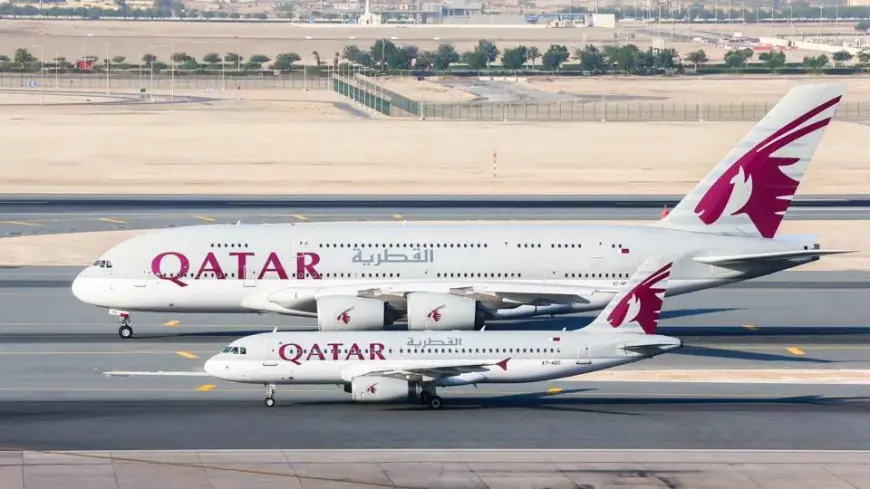
Quick answer: Qatar Airways is assessing additional expansion opportunities into North America as part of its 2026 network strategy. While industry commentary and aviation observers suggest potential new routes like Vancouver or Dallas/Fort Worth, the airline has not yet issued a formal public notification regarding a new nonstop North American service.
Qatar Airways appears to be assessing additional expansion opportunities into North America — beyond the routes already launched and expanded across the United States and Canada — as part of its 2026 network strategy, according to industry commentary and aviation observers tracking the carrier’s long-haul planning. :contentReference[oaicite:0]{index=0}
The Doha-based global airline already serves a sizeable North American footprint from its Doha Hamad International Airport hub, including existing services to cities such as Montréal and Toronto in Canada and multiple U.S. gateways, with plans to add connectivity via expanded partner networks. Qatar Airways’ codeshare partnerships with Aer Lingus and LEVEL give its customers access to extended transatlantic markets through Dublin and Barcelona, effectively broadening its North American reach without committing the carrier’s own metal on every sector. :contentReference[oaicite:1]{index=1}
Qatar’s recent network moves reflect industry-wide strategies of balancing direct long-haul service with deep partner connectivity. The expanded codeshare arrangements allow Qatar to offer indirect access to cities such as Boston, Cleveland, Indianapolis, Minneapolis and other U.S. destinations beyond its core Doha-served markets. Similar arrangements with LEVEL extend reach to West Coast destinations and South America, again via partner aircraft operating into key hubs. :contentReference[oaicite:2]{index=2}
Analysts point out that while Qatar Airways has grown substantially in North America, additional direct service announcements could hinge on market conditions, bilateral air traffic rights and aircraft deployment priorities. Routes such as Dallas/Fort Worth, Vancouver or less-served U.S. metros are often cited in network planning discussions, but no formal public notification has yet been issued by Qatar regarding a new nonstop North American service under its own flight numbers. :contentReference[oaicite:3]{index=3}
Operational factors such as aircraft availability, crew scheduling and terminals slot access influence how and when new long-haul services can be introduced. Modern widebodies like the Airbus A350-1000, part of Qatar’s long-haul fleet, offer the range and payload flexibility to serve distant city pairs profitably, but traffic rights and connecting feed remain key determinants in route viability. :contentReference[oaicite:4]{index=4}
Qatar Airways’ addition of Toronto to its network in late 2024 marked its 14th destination in the Americas and second Canadian gateway, complementing longstanding service to Montréal and multiple U.S. markets. That expansion is part of a broader North American strategy, with frequency increases on Toronto and São Paulo services announced in 2025, and the airline maintaining flights to major U.S. hubs including New York, Chicago, Miami and others. :contentReference[oaicite:5]{index=5}
For passengers, new direct service announcements would offer non-stop travel between additional North American cities and Doha, reducing transit times and improving point-to-point connectivity for both business and leisure travellers. Enhanced schedules typically also support improved interline and alliance feed, boosting connectivity beyond the primary route. :contentReference[oaicite:6]{index=6}
While speculation circulates among aviation watchers about where Qatar Airways might deploy further frequencies, carriers typically await regulatory clearances and detailed market analysis before announcing any formal route launches. Should an official announcement materialise, network planners and airport authorities in targeted markets will be among the first stakeholders to integrate new services into seasonal scheduling and capacity planning. :contentReference[oaicite:7]{index=7}
Frequently Asked Questions
What is the latest qatar airways vancouver route speculation?
Aviation observers note that routes such as Vancouver, Dallas/Fort Worth, or less-served U.S. metros are often cited in network planning discussions for Qatar Airways. However, no formal public notification has yet been issued by the airline regarding a new nonstop North American service under its own flight numbers.
What are Qatar Airways' planned US destinations for 2026?
Qatar Airways is assessing additional expansion opportunities into North America as part of its 2026 network strategy. The airline already serves multiple U.S. gateways and uses codeshare partnerships with Aer Lingus and LEVEL to provide indirect access to destinations such as Boston, Cleveland, Indianapolis, and Minneapolis.
What factors influence Qatar Airways' new routes for 2025 and 2026?
Additional direct service announcements depend on market conditions, bilateral air traffic rights, and aircraft deployment priorities. Operational factors like aircraft availability, crew scheduling, and terminal slot access also influence how and when new long-haul services are introduced.