Turkish Airlines Cancels Havana Route Again
Turkish Airlines has cancelled its October 2026 Havana return again, removing the only remaining Russia-Cuba air link via Istanbul.
 Jishan Khan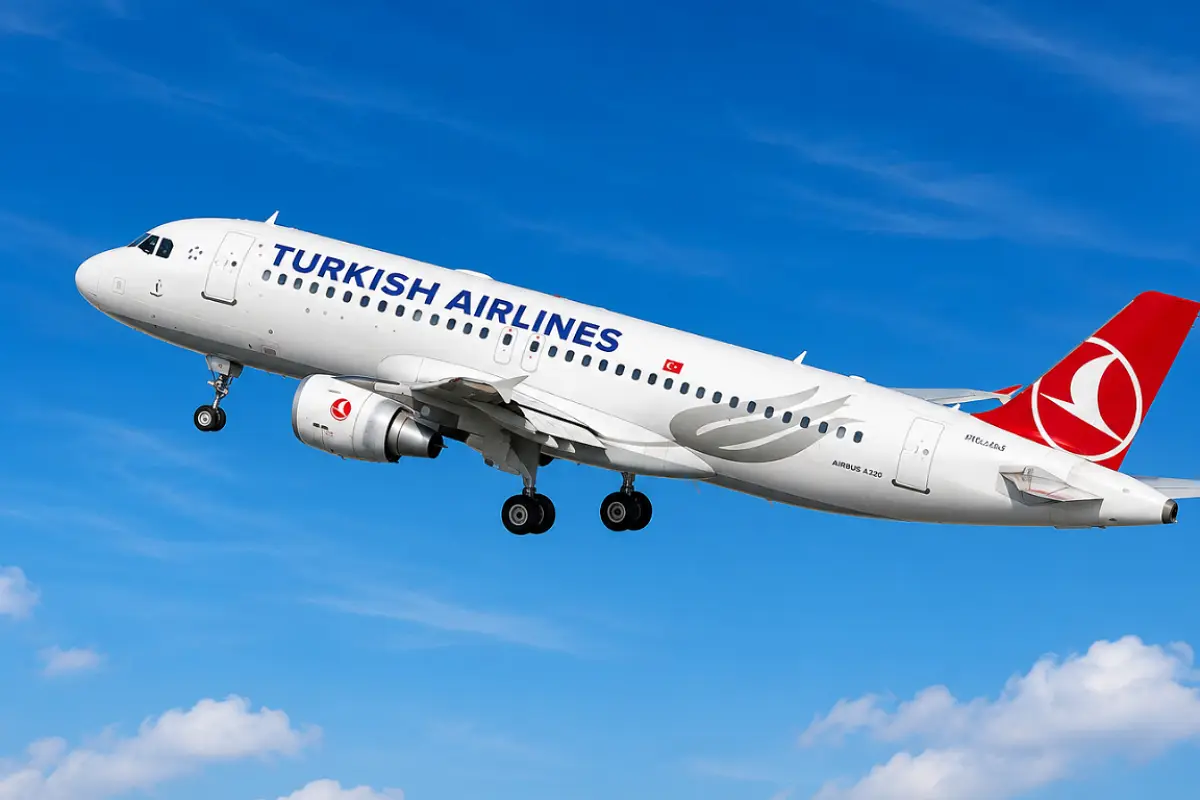
Turkish Airlines Cancels Havana for the Second Time in Seven Months, Killing the Only Russia-Cuba Air Link in the Process
Turkish Airlines has cancelled its planned October 25, 2026 return to Havana, reversing a restart it had only just filed in its own booking systems weeks earlier. The Istanbul-Havana route, which had been scheduled for three-weekly Boeing 787-9 service through at least March 2027, marks the second time this year Turkish Airlines has announced and then abandoned a Havana comeback, having already suspended the route once before, on March 29, and again cancelled a planned October 24 resumption that briefly appeared in schedules before this latest reversal.
A Route That Keeps Almost Coming Back
The pattern here is not indecision, it is an airline testing the water every few months to see whether Cuba's fuel crisis has eased enough to fly, and finding, each time, that it has not. Turkish Airlines first suspended Havana at the end of March 2026 as Cuba's jet fuel shortages made scheduling reliable long-haul service untenable. It briefly listed an October 24 resumption before pulling that too. The October 25 restart that has now also been cancelled would have been the airline's third attempt within a single calendar year to bring the route back, each one filed in good faith against the hope that Cuba's fuel situation was improving, each one ultimately undone by the same underlying problem refusing to resolve.
What the Route Was Actually Worth Restoring
The Istanbul-Havana restart carried significance well beyond a single city pair. Turkish Airlines' own booking data showed Havana's top five connecting markets in early 2026 were Turkey, China, the UAE, Greece and Russia, and the planned restart would have specifically restored a sixth-freedom option between Russia and Cuba via Istanbul, with the airline's booking engine listing Moscow Vnukovo-Havana itineraries via Istanbul from October 25, alongside connections to St. Petersburg. That routing mattered because no direct flights between Russia and Cuba currently exist at all, Rossiya, Nordwind and Aeroflot all suspended their own Havana services in early 2026 amid the identical fuel crisis, leaving Turkish Airlines' Istanbul connection as the only remaining air bridge between the two countries. Its cancellation does not just remove one airline's route, it removes the last practical way for Russian travellers to reach Cuba by air without a considerably longer, more complex itinerary.
Why Fuel Availability Breaks Long-Haul Route Economics in a Way Passenger Demand Cannot Fix
Cuba's jet fuel shortage traces back to a broader energy crisis intensified by disrupted oil supplies, specifically linked to US actions restricting Venezuelan oil shipments, historically one of Cuba's key fuel suppliers. The practical effect on aviation has been severe: Jet A-1 fuel has been intermittently unavailable at Havana's José Martí International Airport, forcing airlines either to tanker enough fuel from their departure point to cover the return leg, or to schedule technical refuelling stops in third countries, both of which add cost, complexity and schedule unpredictability that a three-times-weekly widebody service cannot easily absorb.
That distinction matters because it means passenger demand becoming healthy again would not, on its own, fix the problem. Even if bookings existed, an airline cannot reliably schedule aircraft it cannot guarantee it can refuel for the return journey, turning what would ordinarily be a commercial demand question into a pure infrastructure and energy-supply constraint entirely outside any single airline's control.
A Route List That Keeps Getting Shorter
Turkish Airlines is far from alone in retreating from Havana. Since the crisis intensified in early 2026, eleven international airlines have suspended or reduced Cuba operations, including Air France, Iberia, LATAM Perú, Air Canada, WestJet and Air Transat, with Air Canada notably having operated empty repositioning flights specifically to retrieve passengers already stranded on the island when fuel supplies ran out entirely in February. Iberia's Madrid-Havana route, one of Europe's most established Cuba connections, has been suspended since June 1 with only a tentative November return under consideration.
The tourism numbers behind these cancellations are stark, Cuba received just 387,591 foreign tourists between January and June 2026, a 60.7% collapse compared to the same period in 2025. An island economy this dependent on tourism revenue, watching its international air links disappear one carrier at a time, faces a self-reinforcing problem, fewer flights mean fewer visitors, fewer visitors mean weaker demand to justify restoring flights, and the fuel shortage sits underneath both, blocking any airline from being the one to break the cycle first.
When Havana Actually Comes Back
The honest answer is that no one, including Turkish Airlines itself, can currently predict it. The airline's own past statements have tied any resumption explicitly to "regional developments and the evolution of the fuel supply situation", an admission that this is fundamentally a geopolitical and energy-supply question, not an airline scheduling one. Until Cuba's fuel access stabilises in a way that lets carriers guarantee reliable refuelling without tankering or technical stops, every future "Havana restart" announcement should be read the way this one now has to be: a hopeful filing that may or may not survive contact with the same crisis that has already cancelled it twice.