VORAN Partners With Poland on Gyroplane Technology
India's VORAN has signed an MoU with Poland's W&S Innovation to explore gyroplane technology, light-aircraft manufacturing and technology transfer.
 Jishan Khan
VORAN Wants to Build a Gyroplane Industry in India, Not Just Import One Aircraft
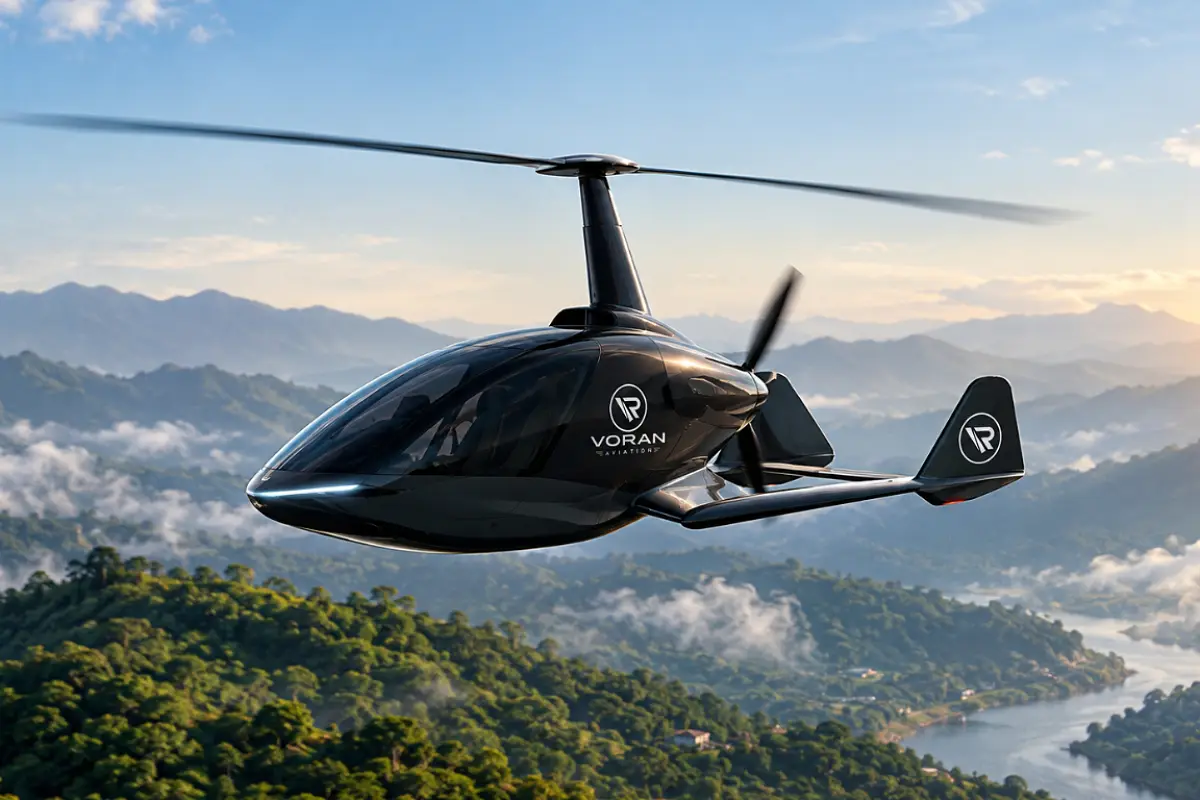
India’s VORAN Private Limited has signed a memorandum of understanding with Poland’s W&S Innovation – Aviation Artur Trendak to explore gyroplane technology and light-aircraft manufacturing in India, starting with the X2 advanced gyroplane and the AAT Taifun.
That sounds like an aircraft deal. It isn’t, at least not yet.
A Pinwheel With a Propeller
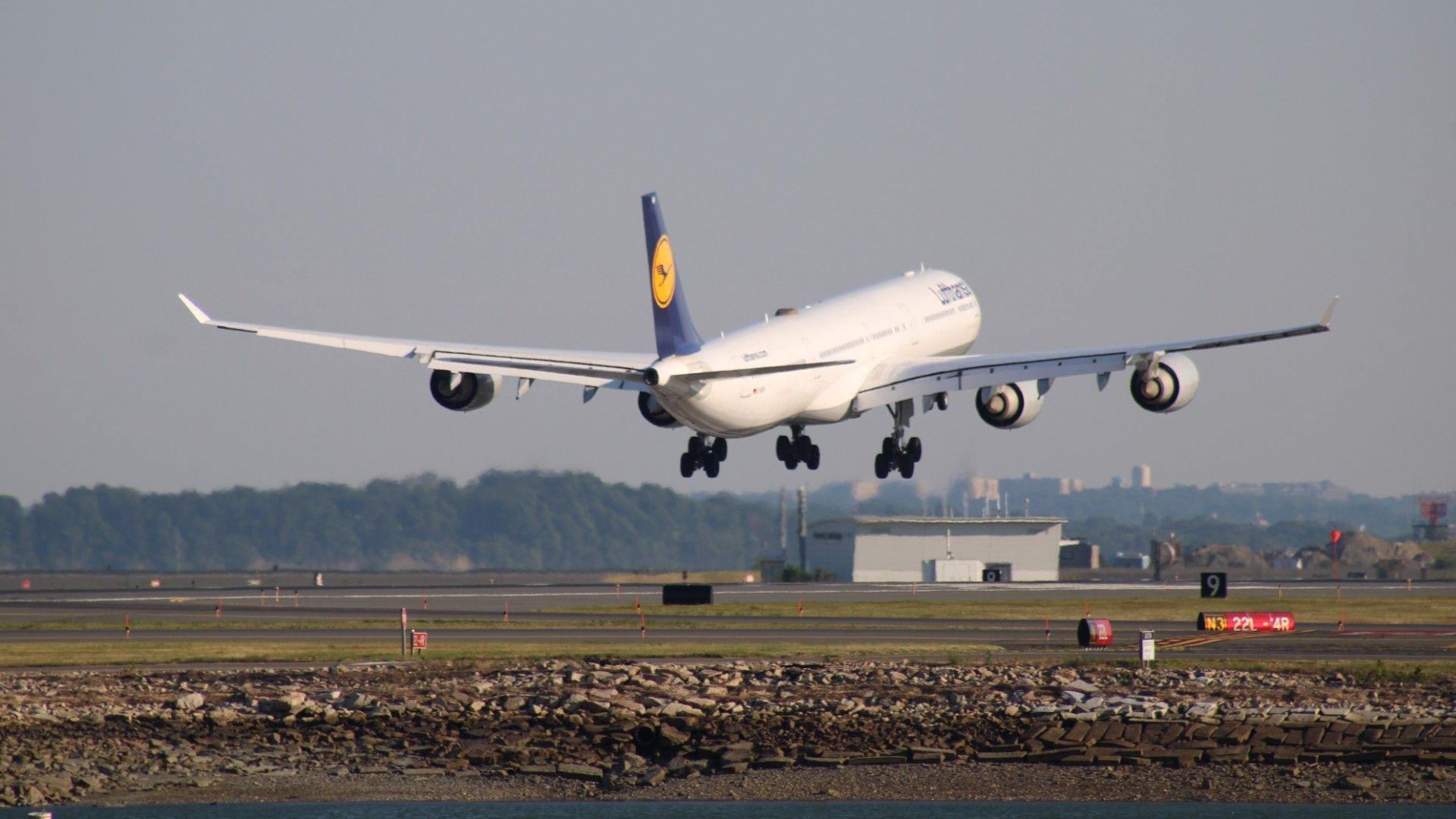
A gyroplane looks like a helicopter but works differently. Its rotor isn’t driven by the engine. It spins freely as air rushes through it, the way a pinwheel turns when you hold it out of a car window, while a propeller pushes the machine forward. The result is an aircraft that can take off in a short run and land in almost no distance, but can’t hover. The Taifun is a two-seater with the seats side by side and an enclosed cockpit. A listing for the earlier version quotes a take-off run of around 100 metres and a landing roll of about 5, though that data is marked illustrative.
Aviation Artur Trendak, according to its own site, leads Europe’s gyroplane sales, and a Polish aviation magazine reported that 90% of the new gyroplanes entering Poland’s register in 2023 were its aircraft. That’s a credible partner for a start-up looking for proven technology.
The Aircraft Is Only the Starting Point
VORAN founder Rajiv Rawat has been clear about what he’s after: “The aircraft is the starting point; the larger opportunity is to build an Indian light-aviation capability that can eventually serve both domestic and global markets.” In simple terms, the plan is the whole ecosystem around the machine, including design, sales, pilot training, maintenance and eventually manufacturing in India. VORAN also has a separate technology-transfer collaboration with an Italian maker with three decades of gyroplane experience, so it’s lining up more than one foreign partner. It is also exploring unmanned gyroplane concepts, which it calls exploratory.
What an MoU Does Not Do
An MoU is the handshake before the wedding planning. This one has no investment figure, no factory, no production timeline and no certification path. Intellectual property licensing and technology transfer need separate agreements, and the helicopter and gyroplane plans are subject to technical feasibility and regulatory requirements. Nothing has been built in India yet.
If VORAN converts the handshakes into assembly lines, trained pilots and a maintenance base, that would matter far more than any single aircraft it sells. Until the agreements behind it are signed, it remains a plan.