Saipan Approves $400,000 Philippine Airlines Deal Through 2027
Saipan has approved a US$400,000 contract with Philippine Airlines, allocating 87.5% to air service support and 12.5% to marketing through 2027.
 Jishan Khan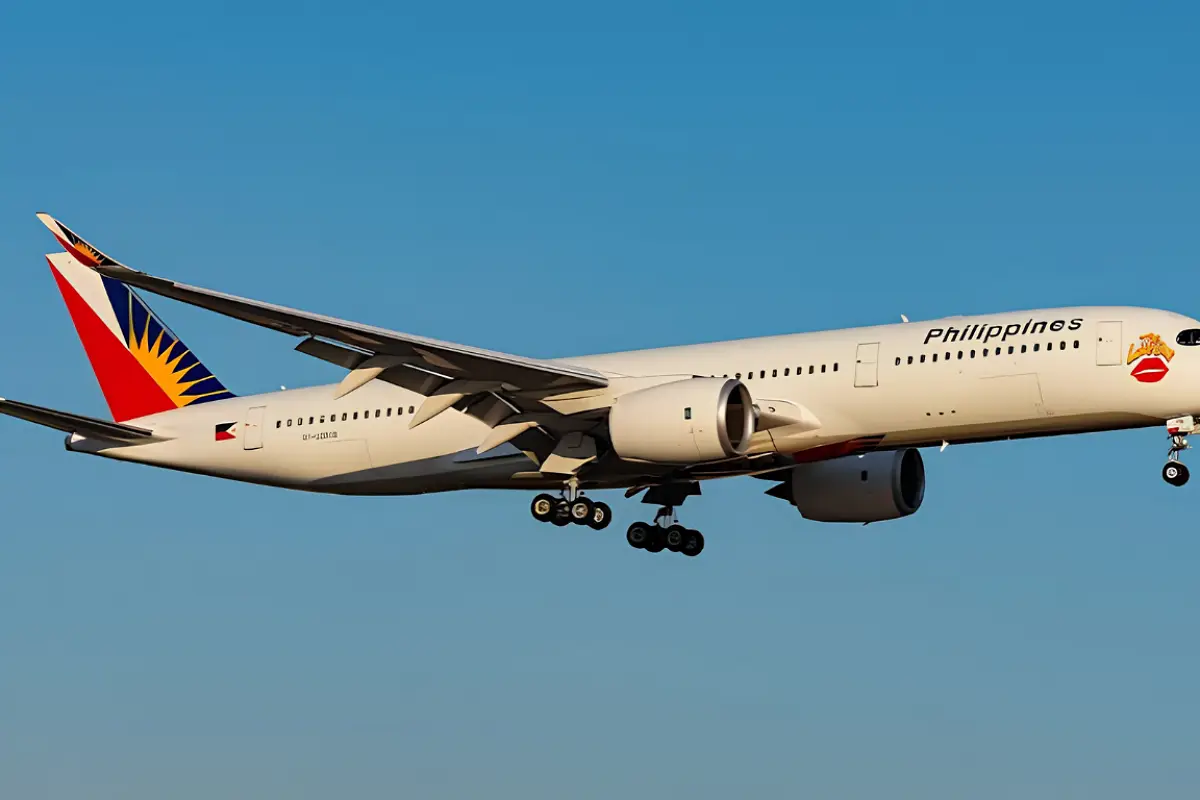
Saipan Is Paying PAL $350,000 to Fly There and $50,000 to Say So
The Marianas Visitors Authority (MVA) board approved a US$400,000 sole-source contract with Philippine Airlines on Tuesday, October 13, ahead of PAL’s return to Saipan later this month. Less than an eighth of it is marketing. The reported breakdown is US$145,833.33 for winter air service and US$20,000 for winter marketing, then US$204,166.67 for summer air service and US$30,000 for summer marketing. That makes US$350,000 a route subsidy (87.5%) and US$50,000 promotion (12.5%). Marianas Press reports the budget was originally approved in April 2026 to develop the Philippine market and diversify the territory’s source markets, and the attorney general’s office found the contract legally sufficient. The agreement covers October 25, 2026 through roughly the end of the 2027 summer season.
Why the Date Is Reported Two Ways
Reports give October 25 and October 26 as the restart date, and both are correct. PAL’s schedule has flight PR2571 leaving Manila on Wednesdays and Sundays at 7:45 p.m., arriving in Saipan at 1:45 a.m. the next day. October 25, 2026 is a Sunday, so the first departure is October 25 in Manila and the first arrival is October 26 in Saipan. Return flight PR2572 leaves Saipan on Mondays and Thursdays at 2:50 a.m. and reaches Manila at 5:05 a.m., a one-hour turnaround on an Airbus A321 that sets up morning connections at Manila.
What the Subsidy Works Out To
On my arithmetic, assuming twice-weekly service through both seasons and a summer season ending in late October 2027, the air-service money comes to roughly US$3,300 per round trip. That is an estimate from the schedule, not a figure the sources state.
Why Saipan Needs It
The territory is rebuilding. The MVA reported 5,001 arrivals in August 2026 as air service recovered after Super Typhoon Sinlaku in April. Japanese arrivals were 288, against 919 a year earlier, with United’s three-weekly Tokyo Narita service only resuming on August 2. The MVA calls direct service from Seoul the foundation for rebuilding demand from its leading source market, and United flies daily from Guam. PAL had suspended its own route earlier this year because of repair works at Saipan International Airport. MVA board member Joe Guerrero said PAL’s return would do more than carry Filipino workers, pointing to its wider network. For scale, the same board agenda put the proposed China promotional budget for fiscal 2027 at US$300,000.
What PAL Brings, and What Is Unproven
PAL says Saipan travellers get onward connections to Cebu, Boracay, Bohol, Palawan, Iloilo and Davao, and to Hong Kong, Bangkok, Singapore, Taipei, Tokyo, Osaka, Nagoya, Shanghai and Kuala Lumpur. That is a real reach advantage, but the idea that connecting passengers will choose Saipan is the part the sources treat as a hope. The base demand is family, business, education and medical travel. PAL is also launching into high fares: jet fuel is near US$200 a barrel, and Philstar reports Saipan flights could carry a fuel surcharge of up to ₱2,553.19.
What to Watch
The contract funds two seasons, so the measure is whether Philippine arrivals and load factors justify the route once support ends in late 2027. The two numbers worth watching are monthly Philippine arrivals in MVA reports and whether PAL keeps twice-weekly frequency.