Ganga Expressway Goes Toll-Active: Traffic Drops Nearly 50% Overnight as Adani and IRB Begin Charging — Full Rate List Inside
Toll collection on the Ganga Expressway began from midnight on May 15, 2026. Traffic fell nearly 50% within hours. Here are the full vehicle-wise toll rates, FASTag rules, and what travellers between Meerut and Prayagraj need to know.
 Ahmed Mainul
By Staff Reporter |
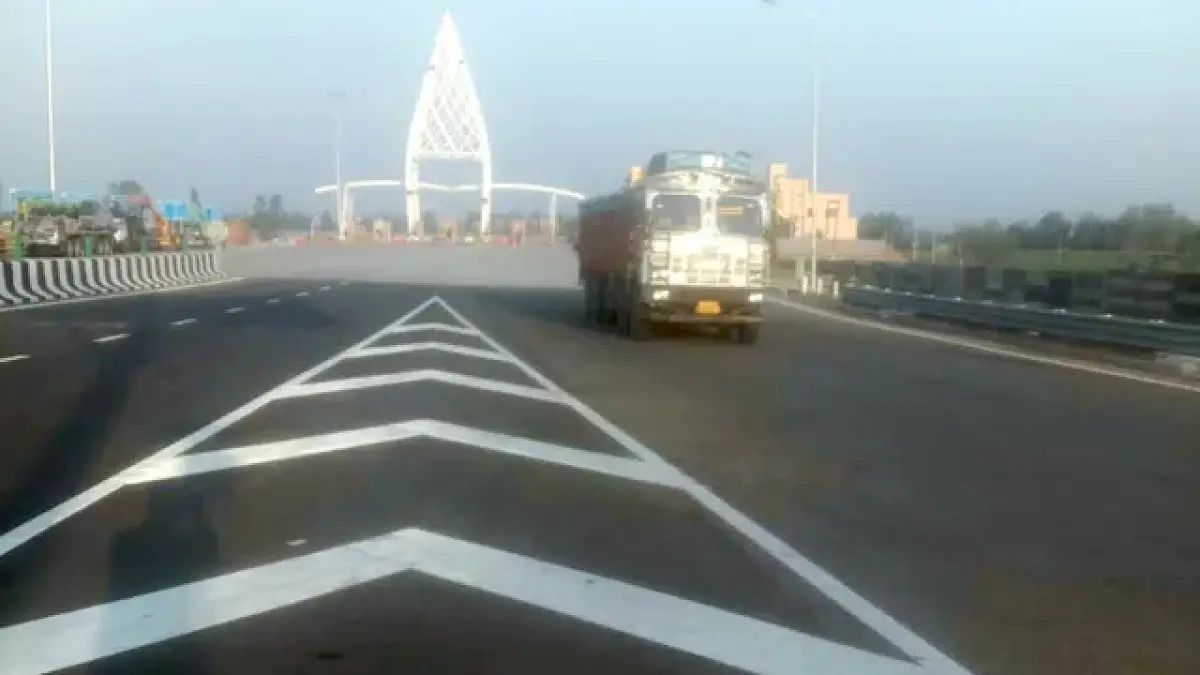
The free ride is over — literally. The Ganga Expressway, Uttar Pradesh's longest and most ambitious road infrastructure project, began collecting toll charges from midnight on May 15, 2026, marking the end of a 15-day toll-free grace period that followed Prime Minister Narendra Modi's inauguration of the 594-kilometre corridor on April 29. The immediate result was dramatic: vehicle count on the expressway fell by nearly 50 per cent within hours of toll collection beginning.
In the days before toll collection started, the expressway was recording 7,000 to 8,000 vehicles every 24 hours. By the morning of May 16, that number had roughly halved — a sharp and telling response from travellers who had been enjoying free, high-speed access between Meerut and Prayagraj.
Who started collecting — and when
Adani Infrastructure, which manages one section of the expressway, began toll collection from midnight on Thursday, May 15. IRB Infrastructure, which is responsible for the 129-kilometre stretch of the expressway, followed with collections starting from midnight on Friday, May 16. Together, the two companies operate the expressway under a Public Private Partnership model that grants them toll collection rights for 27 years.
The Uttar Pradesh Expressways Industrial Development Authority (UPEIDA) had issued directives to both operators to begin collections after the 15-day relief window — announced by Chief Minister Yogi Adityanath at inauguration — came to a close.
Complete toll rate list for 2026-27
Toll charges on the Ganga Expressway are distance-based — travellers pay at the exit point based on how far they have travelled, not at a fixed rate for the full journey. This system is managed through FASTag, with Multi-Lane Free Flow (MLFF) technology at entry points scanning FASTag chips and number plates without requiring vehicles to slow down or stop.
The finalised per-kilometre toll rates for fiscal year 2026-27 are as follows:
- Two-wheelers, three-wheelers and registered tractors: Rs 1.28 per kilometre
- Cars, jeeps and vans: Rs 2.55 per kilometre
- Light commercial vehicles (LCV): Rs 4.05 per kilometre
- Mini buses, buses and trucks: Rs 8.20 per kilometre
- Heavy construction machinery and earthmoving vehicles: Rs 12.60 per kilometre
For a private car travelling the full 594-kilometre Meerut-to-Prayagraj distance, the total toll works out to approximately Rs 1,515, though some reports suggest this could be revised upward to Rs 1,800 for certain entry-exit combinations. Buses and heavy trucks will pay around Rs 5,700 for an end-to-end journey.
No annual pass — FASTag is mandatory
Authorities have confirmed that the standard FASTag annual pass facility — valid on many other national highways and expressways — will not be applicable on the Ganga Expressway. Every journey will be charged individually based on distance covered. Travellers are advised to ensure sufficient FASTag balance before entering the expressway, as low-balance vehicles may face delays or additional charges at exit plazas.
While entry points on the expressway operate on fully barrierless MLFF technology — meaning vehicles do not need to stop — exit points currently require manual toll payment. UPEIDA has indicated that full free-flow exits will be implemented in the coming months as the system matures.
Why the traffic drop matters
The near-50 per cent drop in vehicles is not entirely surprising, but it does raise a longer-term question about the expressway's viability and usage patterns. The Ganga Expressway connects 12 districts — Meerut, Hapur, Bulandshahr, Amroha, Sambhal, Badaun, Shahjahanpur, Hardoi, Unnao, Rae Bareli, Pratapgarh, and Prayagraj — and was built at a cost of over Rs 36,400 crore. For that investment to generate returns over the 27-year concession period, consistent and growing traffic volumes are essential.
The free-travel period clearly attracted a segment of curious and opportunistic users who will now return to older routes. The real test of demand begins now — with full toll charges in effect, the expressway's genuine daily user base will become visible for the first time.
Expressway operators and UPEIDA will be watching traffic counts closely over the next 30 to 60 days to understand normalised demand. If volumes stabilise at or above 5,000 vehicles per day, operators will likely consider the initial phase a success.
India's most advanced expressway — what it offers
The Ganga Expressway is India's first fully digital expressway, designed for a maximum speed of 120 kmph. Its 14 smart toll plazas are equipped with AI-powered surveillance systems and CCTV cameras. A 3.2-kilometre emergency airstrip near Shahjahanpur allows Indian Air Force aircraft to land in emergencies — a feature already tested successfully. The expressway also has 9 amenity complexes, emergency call boxes, ambulance coverage, and an Intelligent Traffic Management System (ITMS) across its length.
Travel time between Meerut and Prayagraj, which previously took over 12 hours on conventional roads, now takes approximately 6 hours on the expressway — a saving that, for regular users, may well justify the toll cost.
— Reporting by Staff Reporter. Based on UPEIDA announcements and verified traffic data from May 15–16, 2026.