Goa Anti-Hotel Trend Rediscovers Villages Over Beaches
The Goa anti-hotel trend is reshaping tourism, moving beyond beaches toward heritage, villages, and slow travel through restored estates and intimate stays.
 RUKAIYA KADIWAL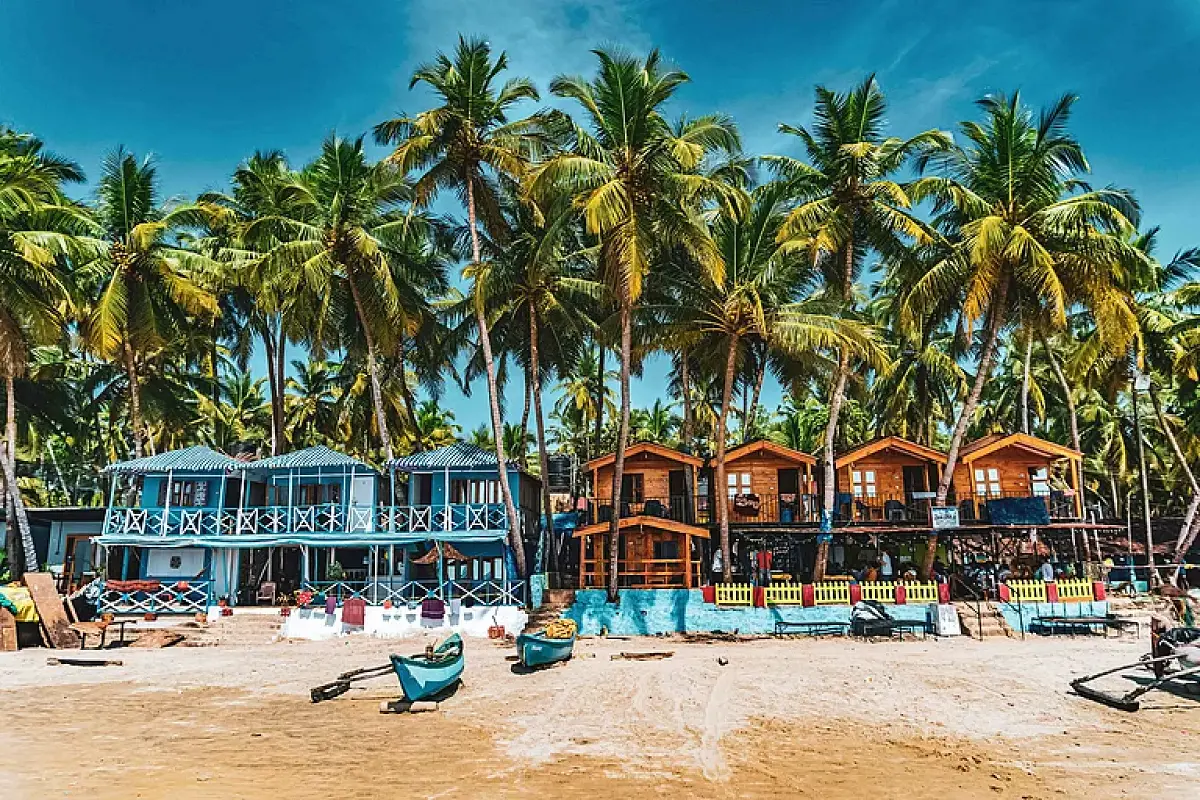
A different Goa is emerging alongside the one travelers already know. The Goa anti-hotel trend is not rejecting hospitality itself. It is rejecting the sameness that luxury hotels often bring, the identical lobbies, the standardized rooms, the sense that a property could exist anywhere and still feel the same inside. In Goa, a small but growing group of hoteliers is betting that the house, the village, and the landscape should be part of the holiday itself.
Kapil Chopra, founder of The Postcard Hotel, sees this shift differently than the label suggests. "I do not necessarily see this as the rise of the anti-hotel," he said. "I see it as a long overdue rediscovery of the real Goa." His comment reframes the entire conversation, positioning the trend not as a new invention but as a correction to what Goa's hospitality industry had narrowed itself into over decades of beach and party focused marketing.
How the Goa Anti-Hotel Trend Responds to a Tourism Shift
Goa recorded 1.08 crore tourist arrivals in 2025, with more than 1.02 crore of those visitors coming from within India. Only about 5.18 lakh were foreign tourists, a steep drop from the nearly 8.9 lakh international visitors the state welcomed in 2017. That gap matters because international travelers tend to stay longer and spend more broadly across excursions, restaurants, and local businesses, while domestic visitors more often choose full board packages that keep spending contained within a single property.
Higher airfares, complicated visa processes, and stronger competition from destinations like Sri Lanka and Vietnam have pulled some international travelers elsewhere. Local issues have compounded the problem too, including cleanliness concerns, expensive taxis, and inconvenient connectivity. Rising hotel prices, driven partly by domestic tourism and the state's growing MICE economy, have also made Goa less competitive for budget conscious international visitors.
Goa's Official Push Beyond Beaches
Goa's Tourism Department has introduced stricter rules covering 19 activities now classified as nuisances, with fines ranging from INR 5,000 to INR 1 lakh. The list includes unauthorized beach parties, public drinking in prohibited areas, and cooking in public places. Alongside these restrictions, the state has launched its Goa Beyond Beaches vision, promoting heritage walks at Aguad, monsoon tourism, and the new Ekadasha Teertha Yatra, a three day circuit connecting 11 temples across the state.
These moves suggest Goa is not simply chasing higher tourist numbers. It is actively shaping what visitors do once they arrive, steering attention toward heritage, spirituality, and slower forms of travel that sit outside the traditional beach and shack circuit.
Villages as the Foundation of the Goa Anti-Hotel Trend
Chopra argues that Goa should never be reduced to the simple North versus South distinction most travelers rely on. He points instead to Goa's 334 villages, each carrying its own character, landscape, and rhythm, citing places like Saligao, Cuelim, Velha Goa, Chicalim, and Netravali as proof of how differently the state can feel from one village to the next. The Postcard's properties follow that logic directly, with a Mandovi River hotel built around its private jetty and an upcoming Chicalim property set inside a 400 year old Portuguese estate in the hills.
"Come to Goa and stay somewhere nice, or come to Goa and stay somewhere that could only exist in Goa," Chopra said. The distinction he draws separates comfortable accommodation from a stay that actively participates in the destination's identity, a line that increasingly defines this emerging category of Goan hospitality.
Quiet Luxury and the Repeat Visitor
At The First House, run by Yogi Shah and Suchna Hegde Shah, the target guest is often someone who has already done the familiar Goa and is no longer racing through a checklist of beaches and nightlife. "What we at The First House are trying to do is create a space that is more about quiet luxury, where nothing feels served but more like a place where one unwinds at their own home," Shah said. That framing positions the property not as a base for exploring Goa, but as a destination in itself for travelers seeking a slower pace.
Shah connects this shift to a broader resurgence of slow tourism, driven by growth in villa stays, boutique hotels, and wellness properties. He is careful to note that the familiar, high energy Goa is not disappearing. Instead, he sees two versions of the destination developing side by side, offering different experiences to different types of travelers rather than replacing one with the other.
Restored Estates and the Question of Privacy
Hacienda de Bastora centers its stay around a restored Portuguese mansion, independent villas, and gardens designed for the intimacy of a private home rather than a conventional hotel stay. Architect Raya Shankhwalker takes that idea further at Hacienda de Pastora, building a property that can be rented entirely by a single group or family, prioritizing privacy, personalized service, and tailor made culinary experiences over a standard schedule of hotel amenities.
Shankhwalker frames this as part of a broader shift away from corporate hospitality, arguing that large hotel chains can lack the personality and local warmth that today's traveler increasingly seeks. His properties bet that guests want genuine connection with nature, culture, and people rather than a predictable checklist of five star amenities available at any comparable resort worldwide.
What Goa Still Needs to Fix
A hotel can restore a Portuguese mansion or curate a heritage walk, but it cannot clean the roads leading to its gates. Shankhwalker points directly to environmental degradation, cleanliness, civic order, and road safety as problems Goa must address if it wants to sustain long term hospitality growth. Without structural improvement in the destination itself, he argues, even the most thoughtful anti-hotel properties will only go so far in changing how travelers experience the state.
Chopra raises a related concern about development patterns, warning against high density, cookie cutter projects that place hundreds of rooms on small parcels of land and call the result luxury. His alternative favors heritage conscious design, better land to room ratios, and regional architecture, a tension that sits at the center of Goa's broader tourism reinvention.
What the Goa Anti-Hotel Trend Ultimately Represents
The First House's repeat visitors, The Postcard's village specific properties, and Hacienda de Pastora's private sanctuary all start from the same premise. A traveler does not necessarily need more things to do in Goa. They may need a different relationship with the place itself, one that treats villages, food, architecture, and history as part of the stay rather than a detour from it.
This kind of destination led hospitality is gaining traction elsewhere too, as operators worldwide rethink what a distinctive stay actually requires. Coverage of Series by Marriott's expansion into New Caledonia shows a similar instinct at a much larger scale, where preserving each resort's individual character mattered as much as the brand relationship itself.
A Goa That Can Hold Two Versions of Itself
The familiar, party driven Goa is not disappearing, and the state's tourism numbers confirm it remains a major draw. What is changing is the space opening up alongside it, one built around villages as much as beaches, architecture as much as nightlife, and intimate stays as much as conventional resorts. Whether this version of Goa can grow without losing the very qualities that make it distinct remains the real test ahead.
Learn more at Outlook Traveller's official website.