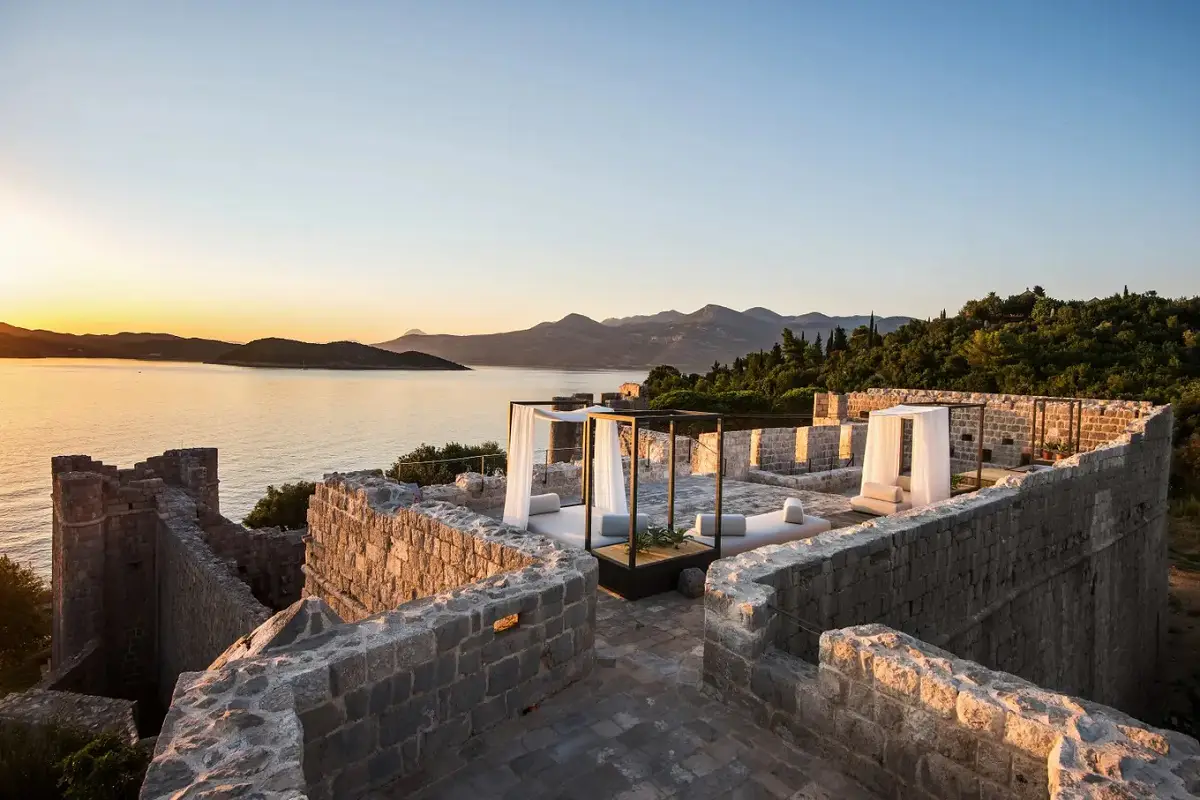
Hilton Accelerates Asia-Pacific Expansion with Strategic Growth Plans in 2026
Hilton is accelerating its expansion across Asia-Pacific in 2026, targeting key markets with new hotel openings, partnerships, and strategic investments.
 Pratyaksha Singh
Hilton Accelerates Asia-Pacific Expansion with Strategic Growth Plans in 2026
Hilton has announced an accelerated expansion strategy across the Asia-Pacific region in 2026, focusing on new hotel openings, strategic partnerships, and increased investments in high-growth markets, as the global hospitality company aims to strengthen its presence in one of the world’s fastest-growing travel regions.
The expansion plan targets key destinations across Southeast Asia, South Asia, and the Pacific, where rising domestic travel demand, improving infrastructure, and increasing international arrivals are driving sustained growth in the hospitality sector.
Focus on High-Growth Markets
Hilton’s strategy centers on expanding its footprint in markets that are experiencing strong tourism growth and economic development. Countries such as India, Indonesia, Vietnam, and Thailand have emerged as priority destinations due to their increasing popularity among both domestic and international travelers.
The company is also exploring opportunities in emerging markets where branded hotel supply remains limited, creating potential for significant expansion. By entering these markets early, Hilton aims to establish a strong competitive position and capture long-term growth opportunities.
Industry analysts note that Asia-Pacific continues to be a key driver of global tourism, making it a strategic focus for major hotel operators.
Expansion Through Multiple Brands
Hilton is leveraging its diverse portfolio of brands to cater to different market segments, ranging from luxury and upscale to midscale and focused-service offerings. This multi-brand approach allows the company to address varied consumer preferences and price points across the region.
Luxury and premium brands are being introduced in key urban and resort destinations, while midscale and economy brands are expanding into secondary cities and emerging travel hubs. This balanced strategy ensures broader market coverage and diversified revenue streams.
The flexibility of Hilton’s brand architecture is expected to play a crucial role in its expansion efforts.
Partnerships and Franchise Model
A significant component of Hilton’s growth strategy involves partnerships with local developers and investors. By leveraging franchise and management agreements, the company can expand its portfolio with lower capital investment while benefiting from local market expertise.
Collaborations with regional partners enable faster project execution and better alignment with local regulations and market dynamics. This asset-light approach has become a preferred model for global hospitality companies seeking rapid expansion.
Hilton’s established brand reputation and global distribution network make it an attractive partner for developers in the region.
Rising Demand for Leisure and Business Travel
The Asia-Pacific region has witnessed a strong recovery in both leisure and business travel, driven by rising incomes, improved connectivity, and changing travel preferences. Domestic tourism continues to play a major role, particularly in large markets such as India and China.
Leisure destinations, including beach resorts and cultural hubs, are experiencing increased demand, while major cities are seeing a resurgence in business travel and events. Hilton’s expansion strategy is designed to capitalize on both segments.
The company is also focusing on experiential offerings to attract modern travelers seeking unique and personalized experiences.
Investment in Technology and Guest Experience
As part of its expansion, Hilton is investing in technology and innovation to enhance the guest experience. Digital tools, mobile check-in services, and personalized offerings are being integrated across properties to meet evolving customer expectations.
The company is also strengthening its loyalty program to drive repeat business and improve customer engagement. Enhanced digital capabilities are expected to play a key role in differentiating Hilton’s offerings in a competitive market.
Technology-driven solutions are becoming increasingly important in the hospitality industry, particularly in regions with high digital adoption.
Sustainability and Responsible Growth
Sustainability remains a core focus of Hilton’s expansion strategy, with the company incorporating environmentally responsible practices into new developments. Energy efficiency, waste reduction, and sustainable sourcing are key priorities across its properties.
Hilton is also working with partners to ensure that new projects align with global sustainability standards, reflecting the growing importance of responsible tourism. Travelers are increasingly considering environmental impact when choosing accommodations, making sustainability a competitive advantage.
The company’s commitment to responsible growth aligns with broader industry trends.
Challenges in Regional Expansion
Despite strong growth prospects, Hilton’s expansion in Asia-Pacific faces challenges such as regulatory complexities, rising construction costs, and competition from both global and local players. Navigating these challenges requires careful planning and strategic partnerships.
Infrastructure limitations in certain markets and fluctuating economic conditions can also impact project timelines and investment decisions. However, the company remains confident in the long-term potential of the region.
Industry experts emphasize that adaptability and local market understanding are critical for success.
Competitive Landscape
The Asia-Pacific hospitality market is highly competitive, with several international and regional hotel chains actively expanding their presence. Companies are focusing on differentiation through brand positioning, service quality, and unique guest experiences.
Hilton’s strong brand portfolio, global reach, and established reputation provide a competitive edge, but continuous innovation will be essential to maintain market leadership. The company’s ability to adapt to changing market dynamics will be a key factor in its success.
Competition is expected to intensify as more players enter high-growth markets.
Future Outlook
Looking ahead, Hilton’s expansion in Asia-Pacific is expected to continue at a steady pace, supported by favorable market conditions and increasing travel demand. The company’s strategic focus on partnerships, brand diversification, and technology is likely to drive sustained growth.
As the region continues to evolve as a global tourism hub, Hilton aims to strengthen its position by expanding its footprint and enhancing its offerings. The company’s long-term vision includes building a strong presence across both established and emerging destinations.
The expansion strategy reflects confidence in the resilience and growth potential of the Asia-Pacific hospitality market.
Conclusion
Hilton’s accelerated expansion across Asia-Pacific in 2026 highlights its strategic focus on high-growth markets, partnerships, and innovation, positioning the company to capitalize on rising travel demand and strengthen its regional presence.