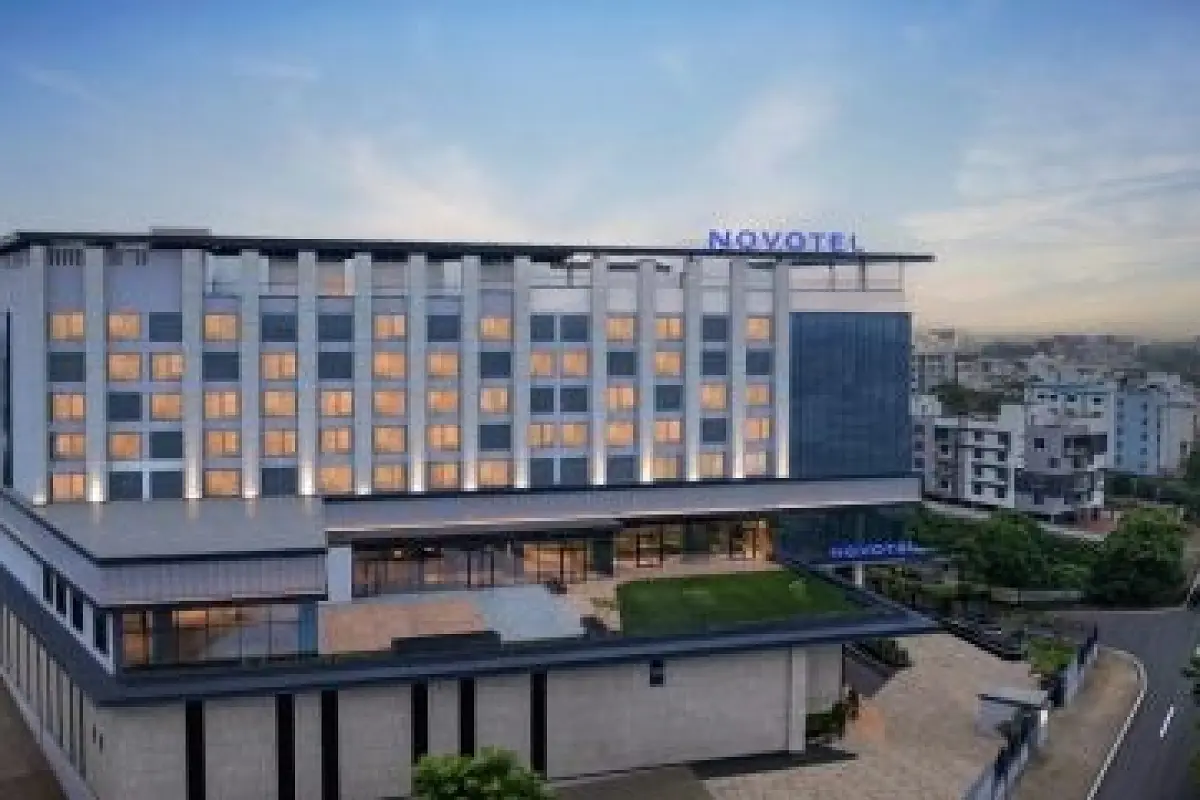
Mosaic Hotels Expands into Ayodhya with Launch of Mosaic Connect to Tap Spiritual Tourism Growth
Mosaic Hotels has entered Ayodhya with the launch of Mosaic Connect, aiming to capitalize on the city’s growing spiritual tourism and rising hospitality demand.
 nishathapa
 Mosaic Hotels Expands into Ayodhya with Launch of Mosaic Connect to Tap Spiritual Tourism Growth
Mosaic Hotels has announced its entry into Ayodhya with the launch of Mosaic Connect in March 2026, marking a strategic move to strengthen its presence in India’s fast-growing spiritual tourism corridor, as the city witnesses a surge in visitor demand following major religious and infrastructure developments.
The new property is positioned to cater to the increasing influx of pilgrims and tourists visiting Ayodhya, one of India’s most prominent religious destinations. The expansion reflects the company’s focus on tapping emerging markets where travel demand is driven by cultural and spiritual experiences.
Strategic Entry into a High-Growth Destination
Ayodhya has rapidly evolved into a key tourism hub in India, supported by large-scale infrastructure upgrades, improved connectivity, and heightened global attention. The city has seen a sharp rise in visitor numbers, particularly after recent developments that have enhanced its appeal as a spiritual destination.
Mosaic Hotels’ decision to launch Mosaic Connect in Ayodhya aligns with industry trends where hospitality companies are targeting pilgrimage centers with strong growth potential. The brand aims to establish an early presence in a market that is still developing in terms of organized hospitality supply.
The move underscores the importance of spiritual tourism as a major driver of hotel demand in India.
Focus on Midscale and Smart Hospitality
Mosaic Connect is positioned as a contemporary hospitality offering designed to provide comfortable and efficient stays for modern travelers. The brand focuses on delivering essential amenities, functional design, and value-driven services, catering to both short-stay pilgrims and business visitors.
The property is expected to feature well-appointed rooms, dining facilities, and basic meeting spaces, aligning with the needs of a diverse customer base. The emphasis is on convenience, accessibility, and quality service.
This approach reflects a broader industry shift toward midscale and smart hospitality solutions in emerging destinations.
Rising Demand for Spiritual Tourism
Spiritual tourism in India has witnessed significant growth in recent years, driven by increased domestic travel, government initiatives, and improved infrastructure. Destinations like Ayodhya are attracting millions of visitors annually, creating strong demand for accommodation across segments.
Travelers are seeking reliable and standardized lodging options, particularly in cities where unorganized hospitality previously dominated. The entry of branded hotels is helping to meet this demand and elevate service standards.
The sector is expected to continue expanding as more destinations are developed.
Infrastructure Boost Supporting Growth
The growth of Ayodhya as a tourism destination has been supported by investments in roads, railways, and airport connectivity. Improved accessibility has made it easier for visitors from across India and abroad to travel to the city.
Government-led initiatives to promote tourism and enhance urban infrastructure have further contributed to the city’s transformation. These developments are creating opportunities for hospitality operators to expand their footprint.
Infrastructure remains a key enabler of tourism growth.
Competitive Landscape in Ayodhya
The hospitality market in Ayodhya is becoming increasingly competitive, with several hotel brands announcing new projects or expansions in the region. Operators are looking to capture early demand and establish brand presence in a rapidly evolving market.
Mosaic Hotels’ entry adds to the growing list of players investing in the city, highlighting its potential as a long-term hospitality destination. Differentiation through service quality and pricing will be critical in gaining market share.
The competitive intensity is expected to increase in the coming years.
Economic and Employment Impact
The launch of new hotel properties in Ayodhya is contributing to local economic development by generating employment opportunities and supporting allied sectors such as transportation, food supply, and retail.
Hospitality projects typically create both direct and indirect jobs, benefiting local communities and boosting regional income levels. Increased tourist activity also supports small businesses and local enterprises.
The economic impact of tourism-driven growth is significant.
Brand Expansion Strategy
Mosaic Hotels has been focusing on expanding its portfolio across key destinations in India, with an emphasis on markets that offer strong demand potential. The introduction of the Mosaic Connect brand reflects a strategy to cater to evolving traveler preferences.
By entering Ayodhya, the company aims to strengthen its presence in the spiritual tourism segment while diversifying its geographic footprint. Partnerships with local stakeholders are likely to play a role in future expansion.
The brand’s growth strategy is aligned with industry trends.
Challenges and Opportunities
While the opportunities in Ayodhya are substantial, challenges such as infrastructure strain, seasonal demand fluctuations, and sustainability concerns must be addressed. Managing large volumes of visitors while maintaining service quality will be critical for operators.
Hotels will also need to adapt to changing traveler expectations, including digital services, personalized experiences, and efficient operations. Balancing growth with sustainability will be a key focus area.
Addressing these challenges will determine long-term success.
Future Outlook for Ayodhya Hospitality Market
The outlook for Ayodhya’s hospitality sector remains highly positive, with continued investments expected from both domestic and international players. The city is likely to emerge as a major hub for spiritual tourism in India, attracting diverse traveler segments.
As infrastructure development progresses and visitor numbers increase, demand for quality accommodation will continue to rise. Operators that establish an early presence are well-positioned to benefit from long-term growth.
The market is set for sustained expansion in the coming years.
Conclusion
Mosaic Hotels’ launch of Mosaic Connect in Ayodhya marks a significant step in expanding its footprint in India’s spiritual tourism segment, as the company positions itself to capitalize on rising demand and the city’s rapid transformation into a key hospitality destination.