Tobago Tourism Development and Turtle Conservation: The Untold Story
Tobago Tourism Development and Turtle Conservation collide at Rocky Point, where a planned 200 room hotel divides developers and conservationists.
 RUKAIYA KADIWAL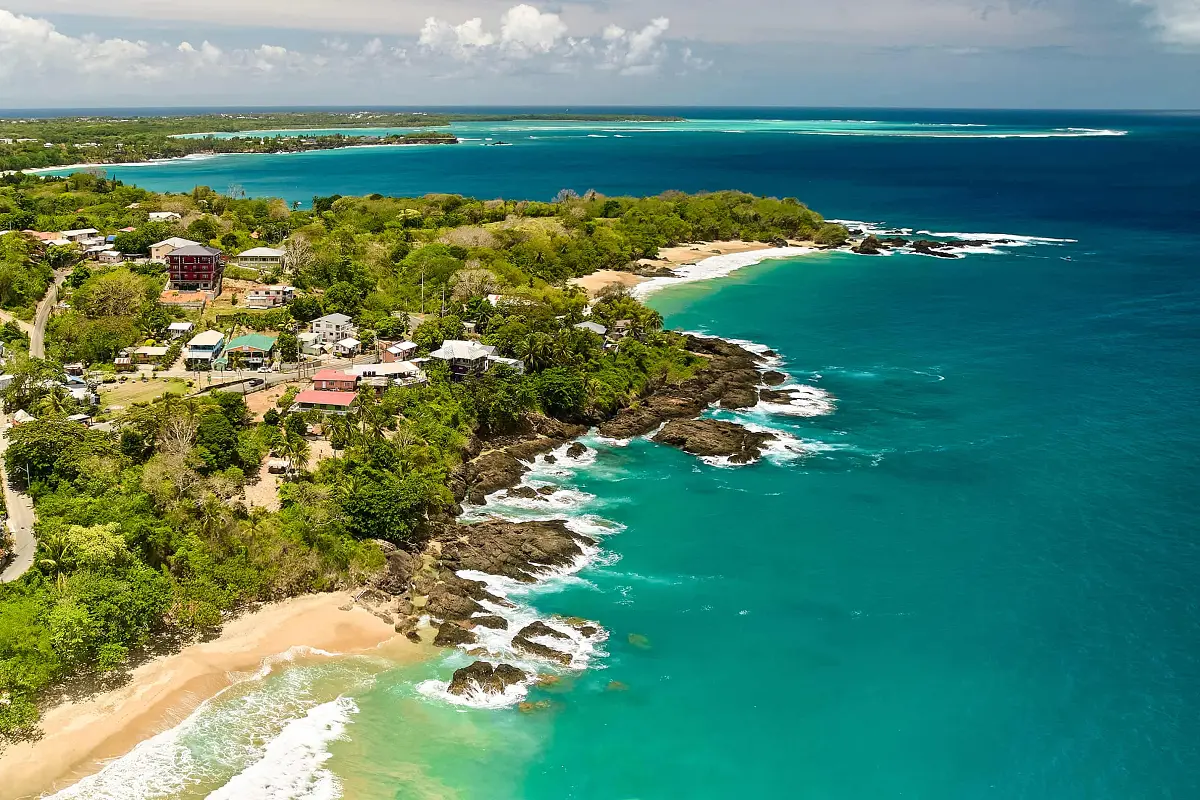
Walk the sand at Rocky Point and the sea shows itself in layers. A coral fringe lies offshore. Dark rock formations break up the shoreline. Almond, sea grape and coconut trees crowd the edge of the beach, and so does the poisonous manchineel. This quiet place sits at the heart of the Tobago Tourism Development and Turtle Conservation dispute.
A Beach in South West Tobago
Rocky Point lies in the south west of Tobago. Visitors come for the sandy beach and the coral reefs that fringe it. The trees along the shore are the fruit bearing kind found on Caribbean coastlines. The beach forms part of Back Bay, a 500 metre swathe of land.
The ground behind the sand rises and falls. It is thickly covered in bush and shrubs. Trekking through it, the reporter writes, feels like walking through a rainforest. The area is still relatively unspoiled, and that is exactly why it has drawn attention.
The wider setting includes Pleasant Prospect, a neighbouring area named in the reporting. Together these places form one stretch of Tobago coastal development debate. Few other spots on the island hold so much natural interest in so small a space.
Inside the Tobago Tourism Development and Turtle Conservation Dispute
The dispute pits two opposing interests against each other. One side sees large scale development as the most profitable path. The other believes smaller, incremental projects owned by the community would serve the island better. At its center is a Rocky Point Tobago hotel project that has become a thorny issue.
The plans call for a 200 room project on an unspoiled beach. This Tobago 200 room hotel development has set developers against conservationists. The conservationists are fighting for smaller scale schemes that protect the island's habitat. The reporting frames it as a struggle over what kind of tourism Tobago should choose.
Headlines about the case point to turtle nests on the beach. That raises the question of endangered turtle nesting habitats, though the opening of the report gives no details on species or numbers. For now, turtle conservation Tobago campaigners remain one voice among several.
What Each Side Wants
Developers argue from the numbers. A large resort promises rooms, jobs and spending. These Tobago resort development plans follow a familiar logic in the Caribbean hospitality industry. Big projects can bring in visitors quickly, and they can reshape a local economy.
Conservationists argue from the land. They prefer community owned tourism projects that grow in small steps. That approach is often called community led tourism. It keeps ownership close to home, and it limits how much of the shoreline changes at once.
Both views deserve a fair hearing. Neither side has been quoted in the portion of the report available here. The reporting does not name the developers or give a date for any decision. Readers should treat the picture as unfinished.
Why the Reefs and Trees Matter
The beach is fringed by coral reefs. Any work on the shore raises questions about coral reef protection Tobago would need. The same applies to Tobago marine conservation more broadly, since reef, beach and forest depend on one another. Trees such as almonds, sea grapes and coconuts hold the shoreline together.
The wider fight is about Tobago environmental conservation as much as one hotel. It sits within the Guardian's Southern frontlines series on Latin America and the Caribbean. The article's topic tags include coral, endangered habitats, and logging and land clearing. Such labels show how far the story reaches beyond one beach.
A Question for the Whole Caribbean
Islands across the region face similar choices. The tension is classic tourism versus wildlife conservation, and it rarely has a simple answer. A Tobago beach resort controversy like this one may echo in other places. It also bears on sustainable tourism Caribbean planners talk about, and on Caribbean ecotourism as a model.
Supporters of smaller projects point to sustainable hotel development as a middle path. Others focus on the tourism impact on local communities, for better or worse. Both questions feed into responsible tourism Trinidad and Tobago leaders will eventually have to define. This is the same Tobago tourism development choice many small islands face.
Full reporting is available on the Guardian website. For a very different hotel story, readers may enjoy this look at Wynn Al Marjan Island in Ras Al Khaimah in 2027.
Return to the beach at Rocky Point. The water is clear, the reef sits offshore, and the trees lean toward the sand. The Tobago Tourism Development and Turtle Conservation question will not be settled by the view alone. It will be settled by people deciding what the island is for. Whatever they choose, the choice will outlast any season of visitors.