Peninsula Hong Kong and Tokyo Renovations: Luxury's Next Evolution
Peninsula Hong Kong and Tokyo renovations announced with $268 million investment. Hongkong & Shanghai Hotels refreshes flagship properties for future generations.
 RUKAIYA KADIWAL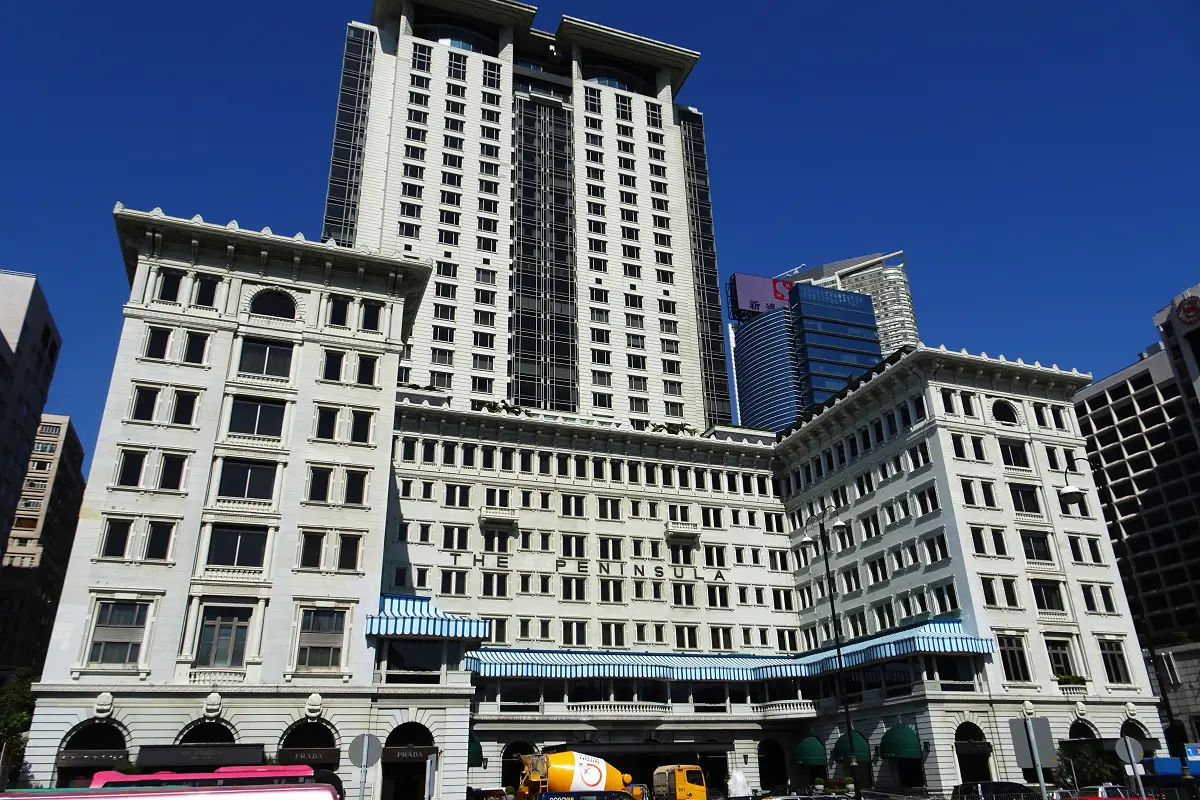
A Hong Kong concierge stands in the lobby of the Peninsula, watching afternoon light catch the marble floors installed nearly a century ago. The hotel has hosted emperors, presidents, celebrities across decades of unwavering service. Yet now, Peninsula Hong Kong and Tokyo renovations signal something profound: even icons must evolve. Hongkong and Shanghai Hotels announced a combined two hundred sixty eight million dollar investment to refresh these two flagship properties. The decision reveals how luxury hospitality balances preservation with relevance, tradition with transformation, history with future possibility.
Understanding Why Peninsula Hong Kong and Tokyo renovations Matter
The Peninsula Hong Kong opened in 1928. It remains the brand's flagship property globally. The hotel claims two hundred eighty seven rooms steeped in colonial heritage and modern luxury. Peninsula Tokyo opened much later, in 2007, bringing contemporary design to a new market. Both properties generate substantial revenue and command premium positioning.
Yet even market leaders require strategic reinvestment. The Peninsula Hong Kong underwent last major renovation in 2013. Thirteen years have passed. Design preferences shift. Technological systems require updates. Guest expectations evolve continuously. Peninsula Hong Kong and Tokyo renovations represent acknowledgment that legacy alone cannot sustain competitive advantage indefinitely.
The Financial Confidence Behind Peninsula Hong Kong and Tokyo renovations
Hongkong and Shanghai Hotels approved Peninsula Hong Kong and Tokyo renovations after achieving profitability in 2026's first half. The company posted a twenty three million Hong Kong dollar surplus, reversing a two hundred eighty nine million dollar loss from the previous year. First half revenue reached three point five three billion Hong Kong dollars, up eight percent year over year.
Benjamin Vuchot, chief executive officer, explained the strategic thinking clearly. The company is preparing the group for its next phase through disciplined capital allocation and selective reinvestment in core assets. Peninsula Hotels operates sixteen properties globally. Hong Kong and Tokyo warrant premium investment because their market positions justify significant capital deployment.
What Peninsula Hong Kong and Tokyo renovations Reveal About Luxury Markets
Luxury hotel positioning requires constant evolution. Guest preferences change. Design standards advance. Technology integration becomes essential. Properties built in 2007 already feel dated technologically. Properties last renovated in 2013 show their age in subtle ways guests immediately sense.
The two hundred sixty eight million dollar commitment reflects confidence in these markets specifically. Hong Kong remains Asia's premier business and luxury destination. Tokyo commands similar status within Japan and regionally. Both cities attract wealthy travelers willing to pay premium rates for exceptional experiences. Investment in these properties makes financial and strategic sense.
How Peninsula Hong Kong and Tokyo renovations Will Reshape Guest Experience
Renovation scope remains partially undisclosed. Details emerge gradually through official announcements and hospitality industry analysis. Typically, such projects address multiple dimensions simultaneously. Guest room systems receive technology upgrades. Public spaces refresh aesthetically. Dining venues reconsider menus and service approaches. Staff receives comprehensive training on updated procedures.
The Peninsula Hong Kong serves multiple restaurants and bars. The hotel's dining experiences represent crucial revenue drivers and brand ambassadors. Renovation provides opportunity to reimagine culinary positioning while respecting heritage and tradition. Similar considerations apply to Peninsula Tokyo's hospitality offerings, which must balance Japanese aesthetic sensibilities with international guest expectations.
Industry Context for Peninsula Hong Kong and Tokyo renovations Investment
Luxury hotel renovations have accelerated globally since 2024. Competitive pressures, changing guest preferences, and technology advancement drive systematic reinvestment. Properties that delay renovation risk losing market share to newer competitors offering contemporary amenities. Yet renovation timing requires careful strategic consideration. Construction disrupts operations. Temporary closure loses revenue. Phased approaches balance business continuity with upgrade requirements.
Hongkong and Shanghai Hotels executives cited operational excellence and revenue management discipline as contributors to improved financial performance. Peninsula Hong Kong and Tokyo renovations represent continuation of this strategic philosophy, as documented in analyses of luxury hospitality capital investment strategies across major global markets.
Looking Forward: The Meaning of Peninsula Hong Kong and Tokyo renovations
These renovations symbolize more than capital expenditure. They represent commitment to relevance in rapidly evolving markets. Hong Kong's luxury hospitality sector faces intense competition from newer properties offering cutting edge design and technology. Tokyo attracts growing numbers of sophisticated international travelers with rising expectations.
The Peninsula properties must maintain their heritage while embracing contemporary standards. This balance proves challenging. Demolish too much history and guests lose what made these hotels distinctive. Preserve too rigidly and properties feel dated and irrelevant. Successful renovation requires nuanced understanding of what endures versus what must change. The concierge in the Hong Kong lobby has served guests for decades. Renovation will reshape the space around her, but her role remains unchanged: ensuring guests experience genuine hospitality delivered with discretion, warmth, and impeccable attention to detail. That fundamental commitment to service excellence transcends design trends and technological advancement. It is what truly distinguishes luxury hospitality from mere accommodation, making these renovations not just investments in buildings but affirmations of the human connections that define exceptional guest experiences.