Small Luxury Hotels 2026: Why Less Is the New More
Small luxury hotels 2026 are trading sprawling amenities for intimacy, as properties like La Réserve Firenze bet that fewer rooms mean better hospitality.
 RUKAIYA KADIWAL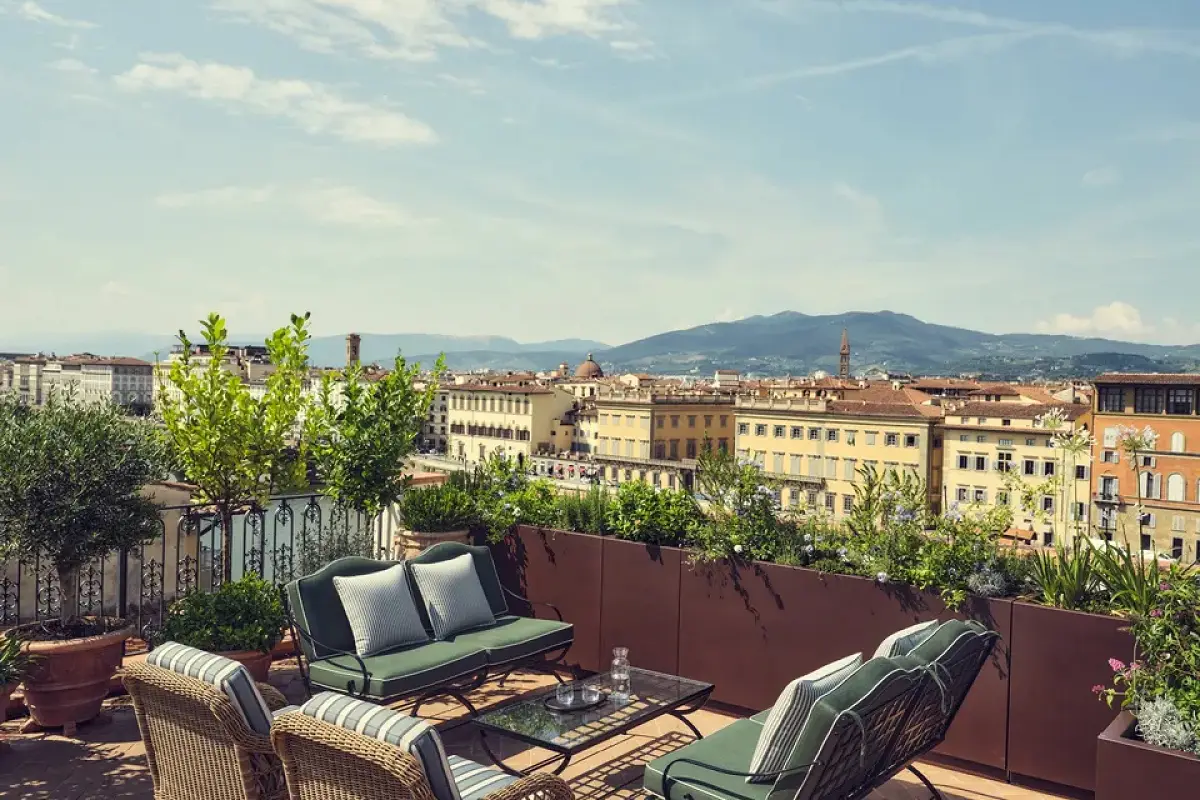
When La Réserve Firenze opens in October inside a 15th-century palazzo in the Italian city's Santo Spirito neighborhood, guests won't find a breakfast buffet, a massive spa or most other hallmarks of a destination hotel. Instead, visitors can enjoy their breakfast whenever they decide to eat, having ordered before their arrival. The rooftop bar works on the honor system: mix yourself a Negroni and don't worry about signing a check. Laundry is included. And if guests fancy a game of tennis, owner Gregory Marciano will invite them to the nearby villa where he lives with his family to hit balls around. This is the quiet philosophy driving Small Luxury Hotels 2026, a growing movement pulling luxury hospitality in the opposite direction of scale.
As high-end resorts pile on restaurants, spas and ever more amenities, a new generation of hoteliers is betting that less is more for many visitors, according to Bloomberg reporting on the trend. More information on La Réserve Firenze specifically is available through the hotel's official website.
Fewer Rooms, More Restraint
The logic behind properties like La Réserve Firenze runs counter to a decades-long pattern in luxury hospitality, where hotels have steadily expanded their offerings to include multiple restaurants, sprawling spa complexes, extensive fitness facilities and an ever-growing menu of amenities designed to keep guests on property for as long as possible. Small luxury hotels take the opposite approach, deliberately limiting room count and paring back the amenity list in favor of a more personal, less programmed style of hospitality.
At La Réserve Firenze, that restraint shows up in small but telling details. There is no rigid breakfast service, only a flexible arrangement built around what a guest actually wants and when they want it. The rooftop bar's honor system replaces the transactional feel of a hotel tab with something closer to being a guest in someone's home. Even something as ordinary as a tennis match becomes personal, routed through the owner's own villa rather than an on-site court built purely for guest use.
A Different Kind of Luxury Proposition
The appeal of this model lies less in what a hotel offers and more in how it makes a guest feel, prioritizing intimacy and flexibility over an exhaustive checklist of facilities. For travelers increasingly fatigued by sprawling resort campuses that can feel more like small cities than places of retreat, a hotel built around fewer rooms and fewer formal touchpoints offers a different kind of luxury proposition, one built on attention rather than abundance.
That shift also reflects changing guest expectations more broadly, as travelers increasingly seek out experiences that feel bespoke and destination-specific rather than standardized across a global portfolio. A 15th-century palazzo in Santo Spirito, run with the informality of a private home, offers precisely that kind of specificity, something no amount of amenity expansion could replicate at scale.
Part of a Broader Shift in Hospitality
The rise of small luxury hotels sits alongside other examples of hospitality brands leaning into distinctiveness and story over scale, a pattern echoed in properties like the recently opened Nirema Hotel & Spa Samos, which similarly emphasizes a slower, more intentional guest experience rooted in a single destination's character. Whether through a Pythagorean wine ritual on a Greek island or an honor-system rooftop bar in Florence, both approaches suggest the same underlying instinct: that the next era of luxury hospitality may be defined less by how much a hotel offers, and more by how well it understands the guest standing in front of it.
As La Réserve Firenze prepares to welcome its first guests this October, its small scale is not a limitation but the entire point, a bet that in an industry long defined by more, the most memorable stays may increasingly come from hotels willing to offer less.