The PIG Tunbridge Wells Hotel Acquisition Marks 15 Years
The PIG Tunbridge Wells Hotel Acquisition secures a Georgian building on The Pantiles, marking 15 years of the boutique brand's growth across the UK.
 RUKAIYA KADIWAL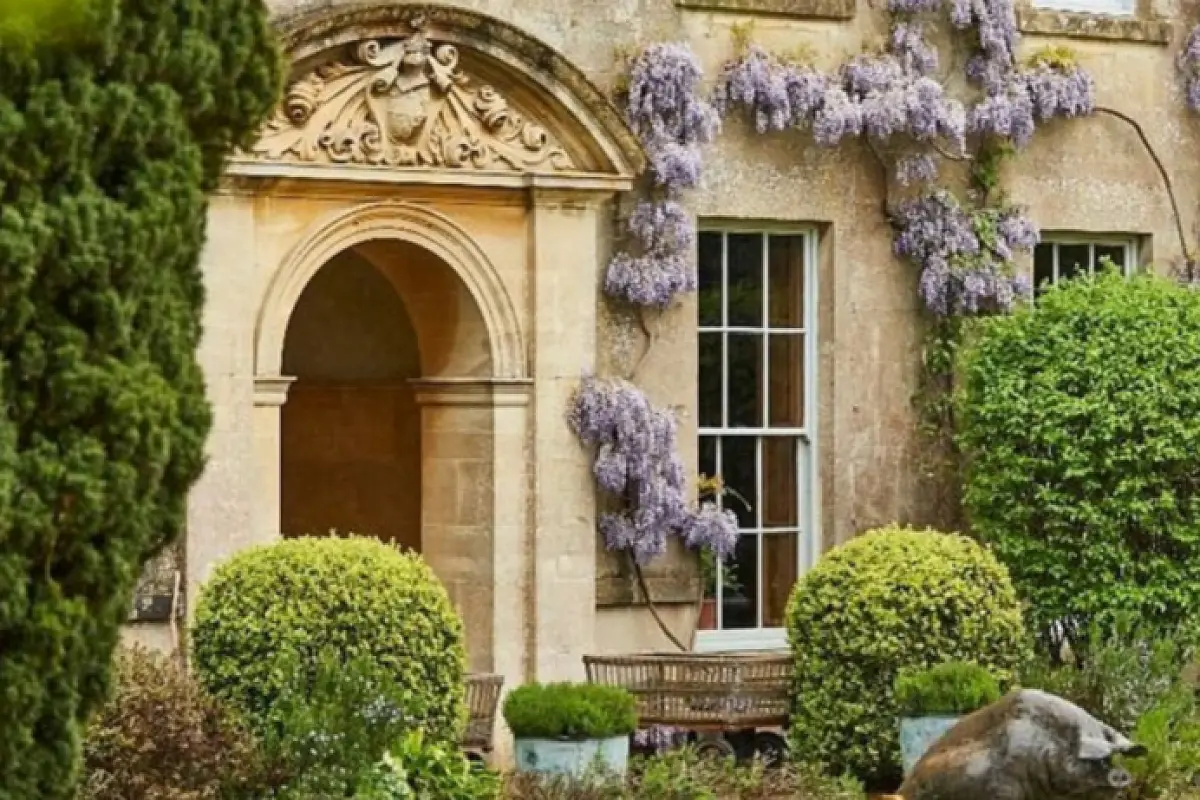
Wisteria spills across sun-warmed Bath stone at another PIG property, the kind of soft, deliberate beauty the brand has spent fifteen years cultivating across the English countryside. That same instinct for finding character-rich buildings with stories already embedded in their walls has now led the group back to Kent, where a Georgian building on The Pantiles in Tunbridge Wells has become the site of its newest hotel. The The PIG Tunbridge Wells Hotel Acquisition arrives at a particularly meaningful moment, confirmed through Hotel Owner's reporting, as the brand marks 15 years of operation.
The group has secured the historic Georgian property along Tunbridge Wells' famous colonnaded promenade, a location steeped in centuries of English spa town history, adding to a portfolio built almost entirely around distinctive, character-driven buildings rather than purpose-built hotel construction.
A Milestone Year for a Distinctive Brand
Fifteen years into its history, The PIG has grown from a single property into one of the UK's most recognisable boutique hospitality names, built on a consistent formula of countryside settings, kitchen gardens, and interiors that favour character over corporate polish. Marking that anniversary with a new acquisition in Kent carries particular symbolic weight, tying the brand's continued growth directly to the same values that defined its earliest properties.
That the group chose to celebrate this milestone through expansion into Tunbridge Wells, rather than simply reflecting on past achievements, speaks to a broader confidence in the brand's trajectory, treating fifteen years not as a plateau but as a foundation for continued, deliberate growth.
Why The Pantiles Matters
The Pantiles stands among Kent's most historically significant public spaces, a colonnaded Georgian promenade that has drawn visitors to Tunbridge Wells for centuries, originally built around the town's chalybeate spring and its reputation as a fashionable spa destination. Securing a property directly within this setting places The PIG at the heart of one of the region's most walkable, character-rich commercial districts, surrounded by independent shops, cafés, and the kind of historic architecture the brand has consistently sought out across its existing portfolio.
For a hospitality group whose identity depends so heavily on setting and atmosphere, few locations in Kent could offer a more fitting backdrop than a promenade already defined by centuries of leisurely visitation, wellness tourism, and architectural grandeur.
A Building With Centuries of Its Own History
The Georgian building itself carries considerable historical weight, its period architecture offering exactly the kind of raw material The PIG has built its reputation on transforming, not through demolition and rebuilding, but through careful restoration that preserves original character while introducing the brand's signature interiors and culinary focus. That approach, favouring adaptive reuse over new construction, has become something of a hallmark across the group's growing portfolio.
For a building with genuine architectural and historical significance along The Pantiles, this kind of sensitive redevelopment offers a meaningful alternative to the more common fate facing aging commercial properties in historic town centres, extended vacancy or insensitive modernisation that strips away the very character that made the building worth preserving in the first place.
What This Expansion Reveals About Boutique Hospitality Strategy
The PIG's continued focus on acquiring existing historic buildings, rather than pursuing new-build development, reflects a broader strategic philosophy increasingly common across the UK's boutique hospitality sector, where guests increasingly seek accommodation that feels rooted in a specific place rather than replicable anywhere. This approach echoes similarly place-conscious hospitality decisions unfolding globally this year, including the recently signed Storii by ITC Hotels property near Mussoorie's Kempty Falls, where a different operator on another continent is pursuing a strikingly similar philosophy, building hospitality experiences directly around the character and history of their specific destinations rather than standardised luxury formats.
For Tunbridge Wells specifically, The PIG's arrival adds a nationally recognised hospitality name to an already vibrant local commercial district, potentially drawing visitors who might not otherwise have considered Kent's historic spa towns as a dedicated hospitality destination.
Fifteen Years of Growth, One New Chapter
What makes this particular acquisition resonate beyond its immediate commercial value is its timing, arriving precisely as The PIG marks fifteen years of building a brand around exactly this kind of considered, historically sensitive expansion. Rather than treating anniversaries as moments for reflection alone, the group has chosen to mark this milestone through continued investment in the same values that built its reputation in the first place.
A Promenade Ready for Its Newest Address
Wisteria will likely find its way onto this Georgian façade eventually, much as it has across the group's other properties, softening centuries-old stonework with the same unhurried, considered touch that has defined The PIG's approach to hospitality since its founding. As The PIG Tunbridge Wells Hotel Acquisition moves from announcement toward eventual opening, it carries with it not just the promise of a new hotel, but a continuation of a fifteen-year-old philosophy, that the most memorable hospitality experiences are often built not from scratch, but from buildings already rich with stories waiting to be told again.