Tilaknagar Industries expands Prag Distillery capacity in Andhra
Tilaknagar Industries receives Andhra Pradesh approval to expand Prag Distillery capacity from 6 lakh to 36 lakh cases annually with ₹59 crore investment.
 nishathapa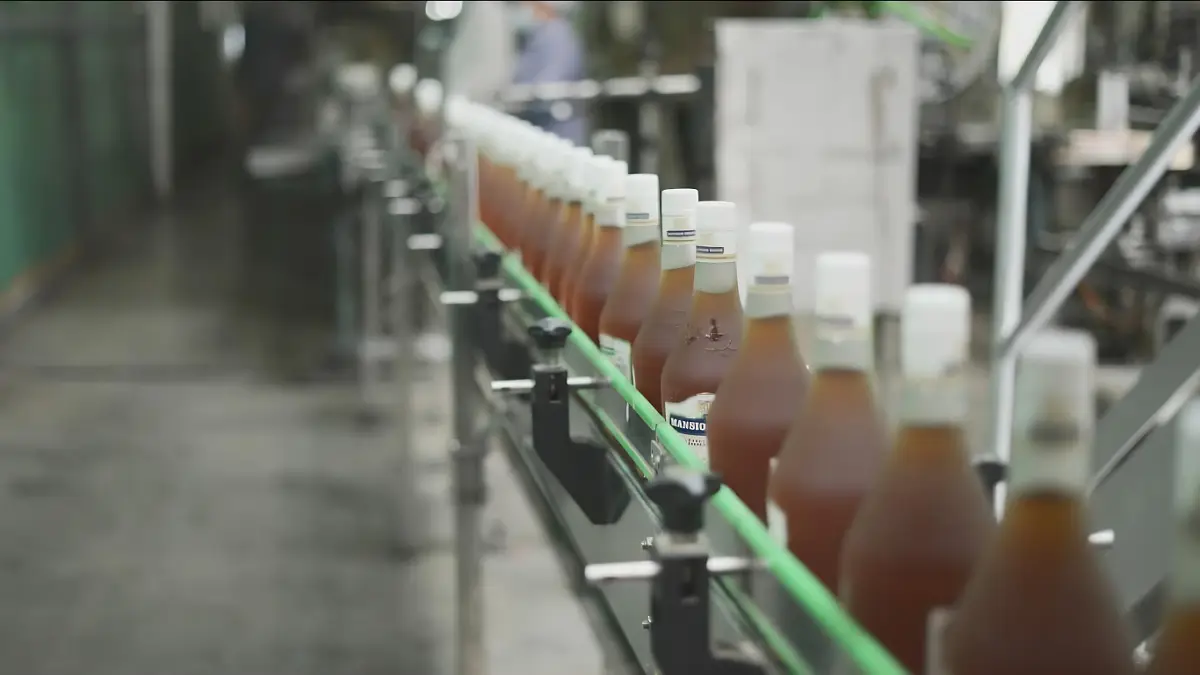
Mumbai, May 16, 2026: In India’s liquor business, control over bottling is control over margins, and Tilaknagar Industries has just tightened its grip in Andhra Pradesh.
The company has received approval from the state authorities to commence production at the expanded facility of its wholly owned subsidiary Prag, unlocking a sharp jump in manufacturing capacity in one of India’s fastest-growing alco-beverage markets.
The expansion takes Prag’s bottling capacity from 6 lakh cases per annum to 36 lakh cases per annum, a six-fold surge. The upgraded facility is now live, with production starting immediately after capex and infrastructure work wrapped up.
₹59 Crore Investment Drives Capacity Expansion
The expansion was cleared by Tilaknagar Industries’ board in the previous financial year, with a total outlay of ₹59 crore. Of that, roughly ₹34 crore went into licence-related costs and interest. Now the spend is done. The plant is running at full expanded capacity. This isn’t just scale for the sake of it. It’s about pulling production in-house and cutting reliance on third-party bottlers. And that’s where real savings sit.
Capacity to Meet 50% of Andhra Pradesh Demand
The Prag facility is now expected to handle nearly 50 percent of the company’s volume requirements in Andhra Pradesh. That’s a big shift. The state has become one of Tilaknagar’s most important markets, both in volume and profit. More internal capacity means tighter supply control, fewer stock gaps, and better reach across retail points. It also means flagship brands stay on shelves. And in this business, availability is everything.
Andhra Pradesh Emerges as High-Growth IMFL Market
Andhra Pradesh is no side market anymore. The IMFL segment in the state touched an estimated 40 million cases in FY26 and is growing at around 15 percent annually. That kind of pace pulls in serious investment. Tilaknagar has already strengthened its hand here with the acquisition of Imperial Blue Whisky, adding to its existing lineup of Mansion House and Courrier Napoleon. That mix has pushed the company into the top spot in the Prestige & Above segment in the state. And it explains why capacity had to catch up, fast.
Operational Efficiency and Margin Improvement
This expansion is about margins as much as volume. More in-house production cuts logistics friction. It trims outsourcing costs. And it gives better control over timelines. All of that feeds directly into profitability. Scale helps. But controlled scale helps more.
Strategic Focus on Owned Manufacturing Assets
The Prag expansion is a clear signal of where Tilaknagar is heading. Own the plants. Control the output. Protect the margins. The company has been steadily building its manufacturing base in core markets, and Andhra Pradesh is now central to that plan. With demand rising, this facility becomes a backbone for future volume growth. And this isn’t happening in isolation.
Across the industry, alco-beverage companies are doubling down on capacity, building plants, expanding lines, and locking in supply chains. Because in a fast-growing market, the real risk isn’t demand. It’s not being able to serve it.