The Rise of the Sleepcation: Why Modern Travelers Are Trading Sightseeing for Eight Hours of Shut-Eye
Tired of burnout? Sleep tourism is booming in 2024. Hotels are trading busy itineraries for rest-focused stays. See why travelers prioritize deep sleep.
 Munni Khatun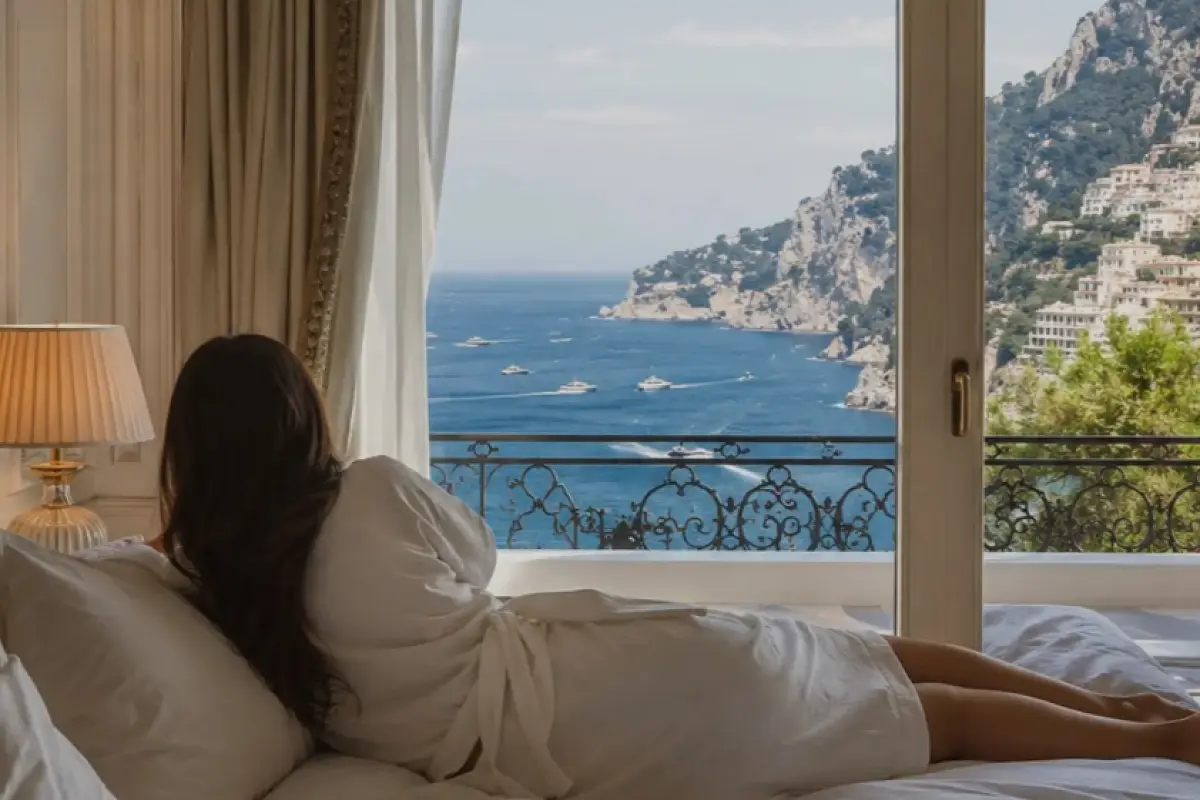
The "Sleepcation" Surge: Why Travelers Are Trading Sightseeing for Shut-Eye
By J.R. Sterling, Senior Travel Correspondent
Travelers are officially done with jam-packed itineraries. Instead of rushing to hit every museum or landmark by 9:00 a.m., a growing segment of the global tourism market is checking into hotels with one singular goal: sleeping. This trend, dubbed the "sleepcation," has moved from a niche wellness retreat quirk into a primary driver for the hospitality sector in 2024.
For the modern traveler, the vacation isn't judged by the miles logged or the photos taken, but by the level of deep, uninterrupted rest achieved before heading back to the grind.
Why Rest Became the New Luxury
Look, the data backs this up. According to recent surveys from wellness-focused hospitality firms, roughly 62% of frequent travelers now prioritize "recovery-first" amenities when booking their stays. It’s not just about a nice mattress anymore. It’s a reaction to the burnout culture that has become the default setting for the modern workforce.
The truth is, we are all just tired. Between the endless notifications on our phones and the demand to be "on" 24/7, people are paying thousands of dollars just to disconnect and pass out in a room that is quieter and darker than their own bedroom.
The Tech-Driven Fatigue
What's interesting is that the very tools we use to track our exhaustion are pushing us toward these trips. If your smartwatch tells you that you only got three hours of REM sleep for the fifth night in a row, you’re going to be a lot more susceptible to a travel package that promises a "sleep concierge" and high-thread-count silence. It’s a feedback loop: we track our lack of rest, we get stressed about the data, and then we book a flight to fix it.
What a Sleepcation Actually Looks Like
This isn't just about taking a nap. Properties capitalizing on the trend are re-engineering the guest room. We're talking:
- Acoustic insulation that turns a city-center hotel into a sensory deprivation tank.
- Biophilic design elements, like air-purifying plants and circadian-rhythm lighting.
- Digital detox zones where devices are swapped for analog activities like reading or guided meditation.
Some high-end resorts have even started offering specialized menus designed to promote melatonin production. It’s a bit much? Maybe. But for someone whose life is run by calendar alerts, the lack of a TV or a clock is apparently worth every penny.
The Reality Check
Here’s the thing: hotels need to be careful here. You can’t guarantee someone a perfect night’s sleep. Biology is annoying like that. If a property overpromises on "curing" a guest's insomnia, they’re setting themselves up for bad reviews. Smart operators are focusing on creating a supportive environment for rest rather than promising a medical miracle.
Innovation Beyond the Pillow
Industry players like GCSTIMES are watching how these shifts in consumer behavior ripple through the broader service economy. While their focus remains on sustainable materials and smart card technology, the shift toward a more intentional, "slow" guest experience is influencing how brands think about hospitality supplies. When your guest is there to sleep for twelve hours, every physical touchpoint—from the key card they use to the eco-friendly materials in their room—becomes part of a cohesive, low-stress environment.
The Bottom Line
Whether this is a passing fad or a permanent evolution of the travel industry, one thing is clear: the era of the "exhausting vacation" is fading. We’ve all returned home from a trip needing another week just to recover from the travel itself.
Maybe, just maybe, the most radical thing we can do on our next vacation is absolutely nothing at all. I know I’m tempted. Just put a "Do Not Disturb" sign on the door and let the world spin without me for a few days. Sometimes, silence is the most expensive amenity of all.