Hawn Hotel Rehabilitation in Texas: The Untold Story of a 1927 Tower
Hawn Hotel Rehabilitation in Texas turned a vacant 1927 tower in Temple into 33 homes and ground floor shops through a $17.6 million project.
 RUKAIYA KADIWAL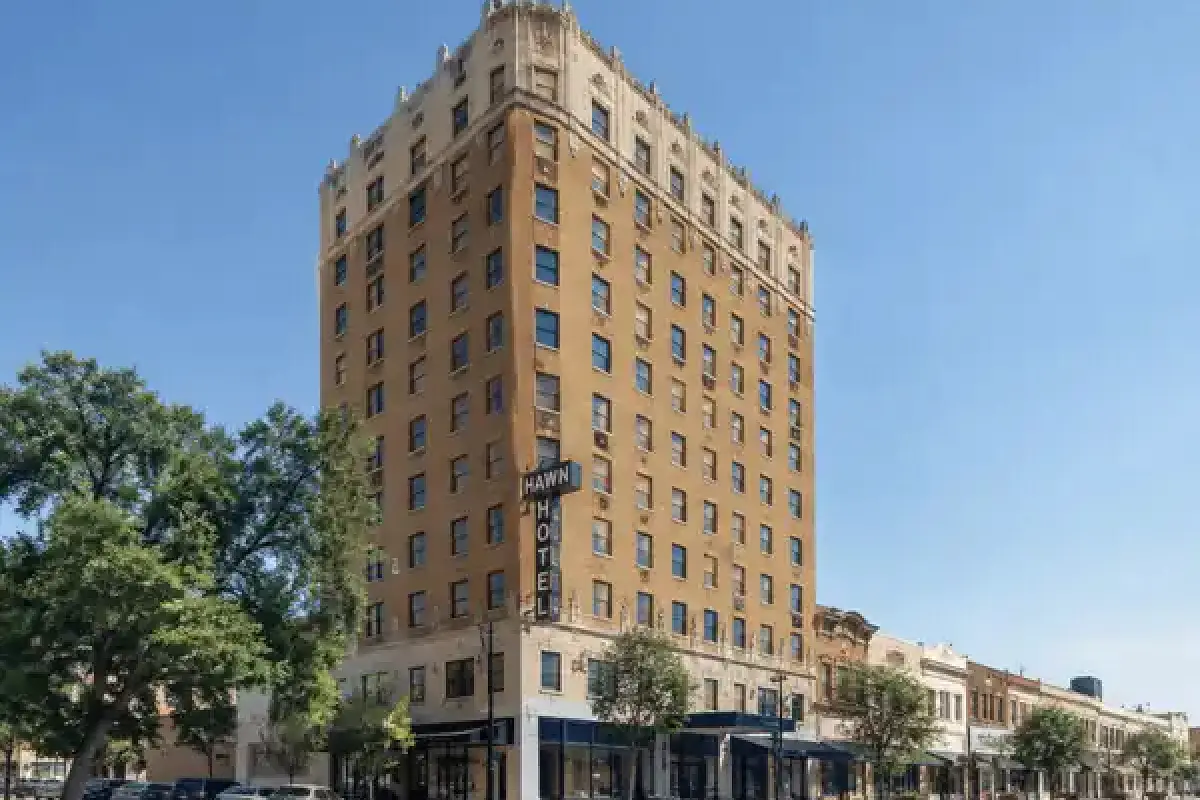
A brick tower rises above the sidewalks of downtown Temple, and a tall vertical sign reading Hawn Hotel hangs on its corner. Sunlight settles on the decorative top of the building. Trees line the street below. This is the finished result of the Hawn Hotel Rehabilitation in Texas, and it is easy to forget that the tower once stood empty.
For decades, passersby saw something else. The 1927 Hawn Hotel closed in 1978 after more than fifty years of operation. It was condemned in 1989. Between that date and the work that followed, the building sat vacant.
A Hotel Built for a Railway Town
Temple was growing fast in those years. The city was becoming an economic and railway center in Central Texas. The Hawn Hotel Temple Texas visitors knew reflected that ambition. Its brick walls carry decorative details, and the tower became a prominent mark on the skyline. Over the years, it hosted many social functions.
Then travel habits changed. Newer lodging appeared along freeways and in the suburbs. Older downtown hotels across the country struggled to compete. The Hawn closed in 1978. Its story is common among historic hospitality properties in American city centers.
Years of Vacancy and the Cost of Waiting
A vacant building does not stand still. Without regular maintenance, water damage, exposure to the elements and vandalism can take hold. Repairs grow more expensive over time. A tower like this one can reach condemnation, as the Hawn did in 1989.
Demolition might have looked simpler. Instead, the building received a second life. According to the National Park Service, the Hawn Hotel Rehabilitation in Texas was completed in 2024. As historic hotel redevelopment Texas goes, it is a notable case. The $17.6 million hotel renovation is listed by Texas Historical Commission records at about $17.62 million.
Hawn Hotel Rehabilitation in Texas: What Changed Inside
The team did not return the property to hotel use. Developers adapted it for apartments and commercial space instead. The result is Hawn Hotel apartments: 33 housing units on the upper floors, with commercial space at street level. This historic hotel conversion keeps the building useful rather than merely admired.
Inside, new systems were essential. Crews added mechanical systems, elevators, egress stairs, kitchens and bathrooms. The Hawn Hotel restoration also kept original features where possible. Transomed hotel room doorways were retained. Missing historic details were researched and recreated. This historic hotel to residential apartments transformation preserved the character of the building.
Seen this way, the Hawn Hotel Rehabilitation in Texas is less about nostalgia than about use.
More Than One Building
The hotel did not change alone. The Hawn Hotel rehabilitation project ran alongside work on the neighboring Arcadia Theatre and an adjacent commercial building. Together they formed a mixed use redevelopment Texas block that had long sat vacant. This commercial space redevelopment brings shops and residents back to one corner.
That kind of work supports historic downtown revitalization. Residents create foot traffic, and foot traffic encourages local investment. Among Temple Texas historic buildings, few are as visible as this one.
Financing, Preservation and Wider Meaning
Financing mattered as much as design. The project used federal and state historic tax credits. The Federal Historic Preservation Tax Incentives Program offers credits for qualifying rehabilitation of historic buildings. Discussions about Texas Historic Preservation Tax Credits often center on projects like this one. Such incentives can also shape historic real estate investment USA decisions, since they make costly work more workable.
Reuse keeps an existing structure standing. That makes it a form of sustainable building redevelopment, because the walls and frame remain in place. It is also a clear example of adaptive reuse of historic buildings. The program supports projects that keep old buildings in productive use. That idea sits at the heart of historic building preservation USA policy, and it now touches Temple Texas real estate in a visible way.
Readers who want to see how preservation programs work can visit the National Park Service website. Those following how hotels recover in other markets may enjoy this look at the Accor Gulf hotel market recovery in 2026.
Walk past the tower now, and the sign still announces a hotel. Behind the glass, the purpose has changed. The Hawn Hotel Rehabilitation in Texas shows that a building can outlast the use it was made for. What began as a place for travelers has become a place to live. In a railway town that once measured progress in tracks and rooms, that may be a quieter kind of growth.