Young Malaysian Chefs Push to Reform Toxic Kitchen Culture
Young chefs in Malaysia are reshaping restaurant kitchens by addressing toxic work culture, long hours, and abuse, following global scrutiny of industry practices.
 Prajakta Sanjay Warwadkar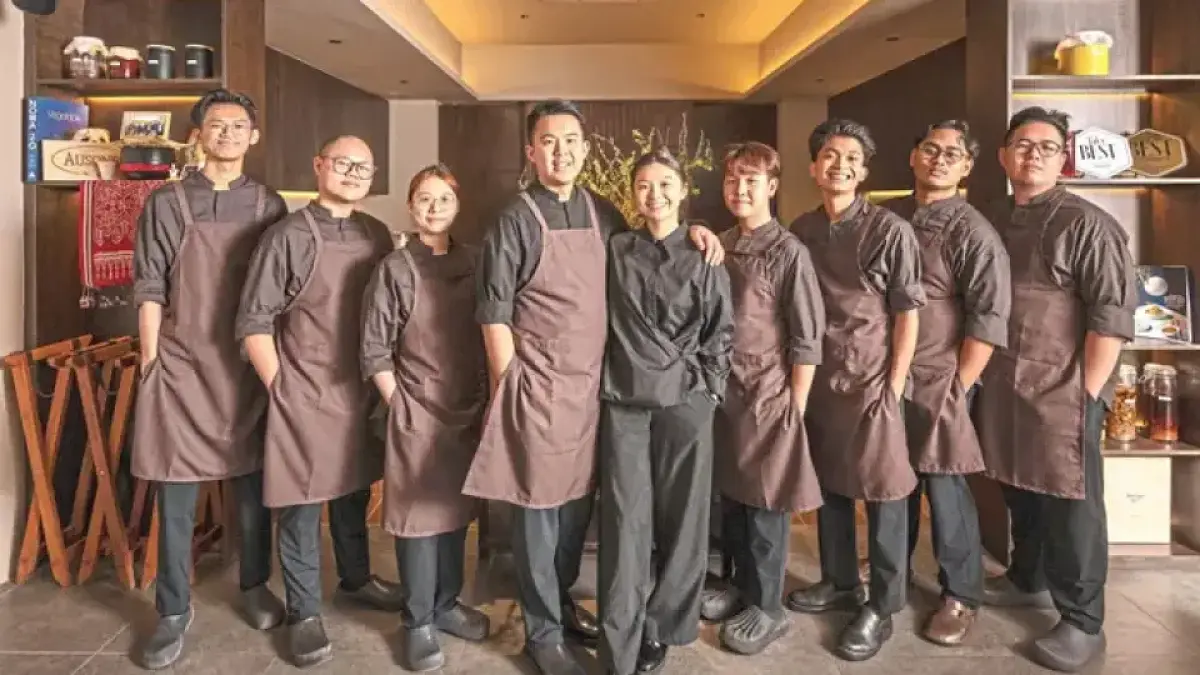
Young chefs in Malaysia are working to transform restaurant kitchen culture, addressing long-standing issues of workplace abuse, high stress, and unsustainable working conditions, following renewed global scrutiny triggered by recent revelations surrounding high-profile restaurants.
The issue gained prominence during the Asia’s 50 Best Restaurants 2026 awards held in Hong Kong, where industry leaders discussed the fallout from allegations of toxic kitchen practices at a globally recognized fine-dining establishment. The controversy has prompted chefs across Asia, including Malaysia, to re-evaluate traditional kitchen hierarchies and management styles.
Industry Reckoning Triggers Cultural Shift
The debate intensified after reports exposed abusive practices within one of the world’s most celebrated restaurants, raising concerns about entrenched behaviors across the hospitality sector. For many chefs, the situation highlighted systemic issues rather than isolated incidents.
Malaysian chefs note that harsh training environments have historically been normalized within the industry. Many kitchens operate under high-pressure conditions, with staff working extended hours in physically demanding environments, often compounded by aggressive leadership styles.
Chefs report that such environments can include verbal abuse and, in some cases, physical intimidation, creating a cycle where those trained under strict conditions replicate similar behaviors when they assume leadership roles.
Personal Experiences Highlight Systemic Issues
Several chefs in Malaysia have shared firsthand accounts of difficult early-career experiences. These include being subjected to shouting, intimidation, and unsafe practices in kitchens. In some cases, these conditions have led to mental health challenges and temporary exits from the industry.
Industry professionals describe kitchens where hierarchical structures discourage open communication, often leading to fear-driven performance rather than collaborative work environments. Reports of toxic behavior are not limited to a single cuisine or establishment type, indicating a broader industry challenge.
Despite these conditions, many chefs have continued in the profession, citing passion for cooking and limited alternatives during earlier stages of their careers.
New Generation Adopts Leadership-Focused Approach
A growing group of younger Malaysian chefs is actively working to break this cycle by implementing more supportive and structured management practices. This includes fostering open communication, reducing aggressive behavior, and prioritizing team well-being.
Some chefs have introduced policies such as eliminating profanity in kitchens, encouraging feedback, and maintaining professional conduct during service. Others have focused on building psychologically safe workplaces, where staff can express concerns without fear of retaliation.
In certain cases, chefs have sought external support, including professional training and therapy, to improve leadership skills and communication methods. These efforts aim to retain the discipline and standards required in professional kitchens while removing harmful practices.
Additionally, some kitchens are adopting more balanced work approaches, allowing employees time outside work to maintain personal well-being, which is increasingly viewed as critical to long-term productivity.
Operational Changes Reflect Evolving Workforce Expectations
The shift is also being driven by changing workforce dynamics, particularly among younger employees entering the hospitality sector. Industry observers note that newer generations are less willing to accept abusive work environments and have access to broader career options.
Digital platforms have increased transparency, allowing aspiring chefs to observe global kitchen practices before entering the workforce. This exposure is influencing expectations around workplace standards and management behavior.
As a result, restaurant operators are being compelled to reassess traditional business models and workplace cultures to attract and retain talent. Failure to adapt may result in higher staff turnover and reputational risks.
Global Impact Likely to Influence Long-Term Practices
The broader industry is now facing increased accountability as high-profile cases continue to surface. Chefs and operators are under growing pressure to ensure compliance with professional standards that prioritize employee welfare alongside operational efficiency.
While some changes are being implemented proactively, others are driven by concerns over reputational damage and potential legal consequences. Industry experts suggest that both factors are contributing to a gradual transformation of kitchen culture.
Malaysian chefs involved in this shift emphasize that meaningful change requires more than policy adjustments. They highlight the importance of leadership mindset, mentorship, and long-term commitment to building healthier work environments.
As the global restaurant industry continues to evolve, Malaysia’s emerging generation of chefs is positioning itself at the forefront of cultural reform, aiming to create kitchens that balance high performance with sustainable and respectful working conditions.