Coco Ichibanya Faces Possible Sale Amid Rising Costs
Coco Ichibanya, Japan's most popular curry rice chain, may be sold as House Foods Group reevaluates its portfolio amid rising ingredient costs.
 RUKAIYA KADIWAL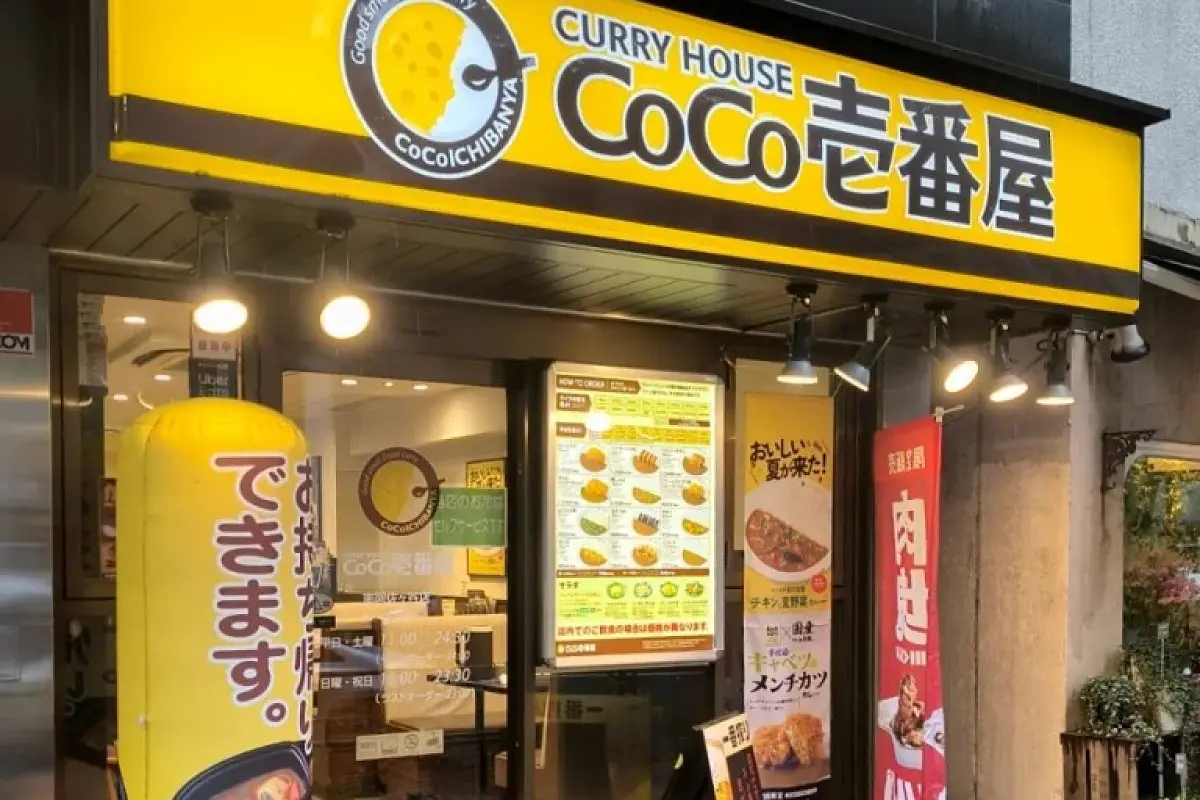
The bright yellow storefront glows the same way it always has, a familiar beacon for anyone craving a plate of rice and roux after a long day. Yet behind that unchanged facade, Coco Ichibanya, Japan's most popular curry rice restaurant chain, now finds itself the subject of quiet speculation about a possible sale, even as the food inside its dining rooms remains exactly as beloved as ever.
A Chain Built on a Single Supplier Relationship
Curry House Coco Ichibanya was founded in Nagoya in 1978, built from the start around curry roux supplied by House Foods Group. That partnership deepened steadily over the decades, with House Foods eventually acquiring shares in Ichibanya Co., Ltd., the chain's management company. In 2015, House Foods spent an additional 30 billion yen, roughly 189 million dollars, to raise its ownership stake from 19.5 percent to 51 percent, formally making Ichibanya a consolidated subsidiary of the larger food company.
Why House Foods Is Reconsidering
Now, House Foods is weighing whether to sell off its ownership stake entirely, part of a broader reevaluation of its business portfolio aimed at redirecting resources toward ventures the company believes offer higher profitability and stronger growth prospects. That reassessment might seem surprising given curry rice's enduring popularity across Japan, loved consistently by diners of every age and background.
Rising Sales, Falling Profit
The numbers tell a more complicated story than popularity alone would suggest. During its 2025 fiscal year, Ichibanya posted sales revenue of 65.5 billion yen, up 7.4 percent from the previous year. Net income told the opposite story, tumbling to 2.5 billion yen, a 19.2 percent drop, with rising ingredient costs cited as a major contributing factor.
Why Curry Resists Premium Pricing
The core challenge lies in what curry rice actually represents to Japanese diners, cherished comfort food rather than fine dining, with a correspondingly low ceiling on what customers are willing to pay regardless of flavor quality. Curry is also a dish commonly cooked at home across Japan, and recipes scale easily, letting families stretch a single batch across several days' worth of meals. That home cooking multiplier effect makes it especially difficult for restaurant curry to position itself as a premium product, limiting how much a chain like Ichibanya can raise prices to offset climbing ingredient costs.
A Pattern of Customers Slipping Away
Coco Ichibanya has already been losing customers since 2024 as prices crept upward, a trend initially offset by remaining diners spending more per visit. That balance no longer appears to be holding, suggesting the chain has approached, or already passed, the point where price increases meaningfully erode its customer base rather than simply raising average spend.
What a Sale Could Mean for the Food Itself
The potential sale worries longtime fans not because Cocoichi's food has declined in any way, its curry remains as good as it has ever been, but because a change in ownership always raises the possibility of altered recipes or shifted priorities, echoing similar anxiety Japanese consumers expressed when 7 Eleven Japan faced acquisition interest from a Canadian investment group.
Nothing Confirmed, but Change Feels Possible
House Foods Group has not formally announced that Ichibanya is for sale. Spokespeople for both House Foods and Ichibanya Co., Ltd. have said only that all options are being considered, including the possibility of taking Ichibanya private rather than selling to an outside buyer.
What Remains Certain for Now
Whatever ownership structure Ichibanya ultimately lands on, the yellow sign will likely keep glowing over its storefronts for the foreseeable future. Whether the curry behind that sign tastes the same five years from now remains, for the moment, an open question worth savoring while the answer stays uncertain.
More information is available on the official website at ichibanya.co.jp. Further reading on the restaurant industry is available at hospitalitycareerprofile.com.