Cowboy Chicken Expands Menu with Limited-Time Wood-Fired Chicken Tacos
Cowboy Chicken introduces limited-time wood-fired chicken tacos, expanding its menu and enhancing its signature flame-grilled offering in the fast-casual segment.
 Prajakta Sanjay Warwadkar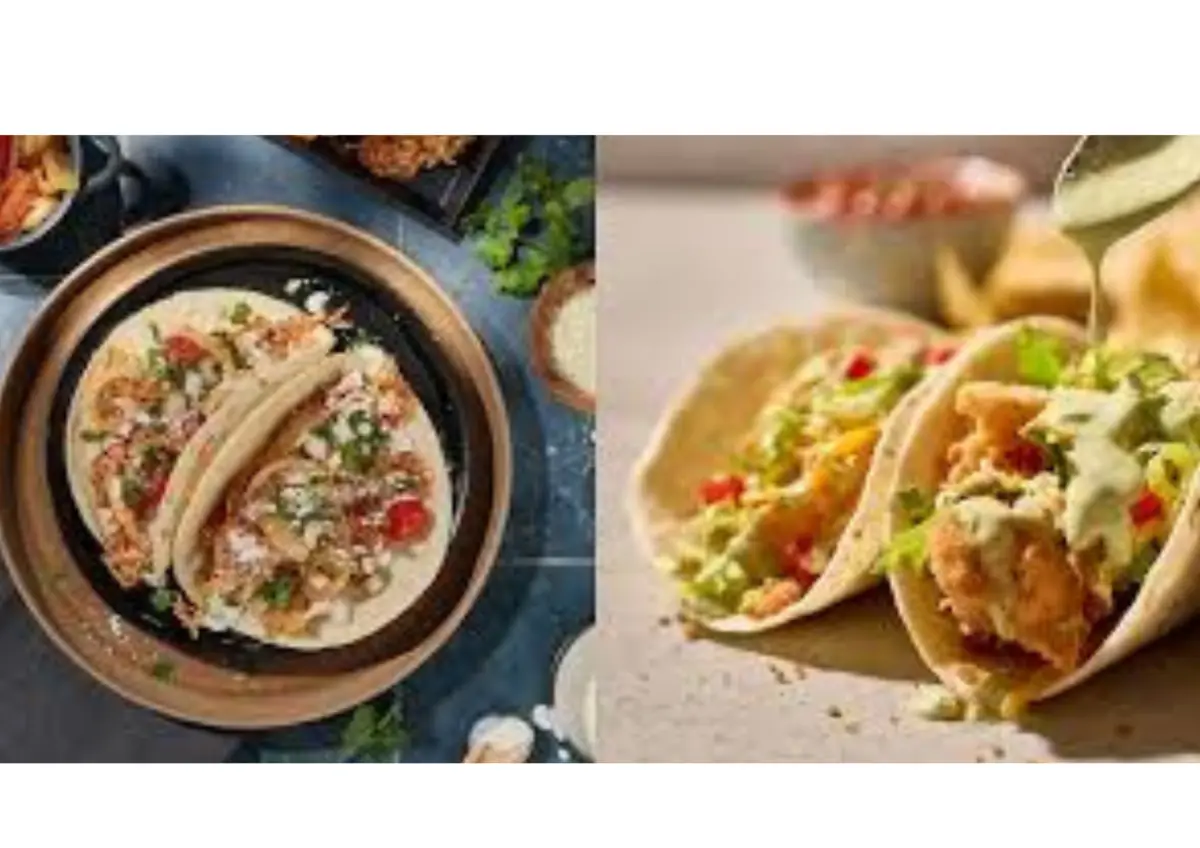
Cowboy Chicken Expands Menu with Limited-Time Wood-Fired Chicken Tacos
Cowboy Chicken, a U.S.-based fast-casual restaurant chain known for its wood-fired rotisserie chicken, has introduced a new limited-time menu item featuring wood-fired chicken tacos in 2026. The launch aims to diversify its offerings, attract new customers, and build on its signature cooking method by extending it into a new, portable format. The tacos are being rolled out across participating locations as part of a broader strategy to drive seasonal interest and menu innovation.
The introduction of the tacos reflects the company’s effort to capitalize on growing consumer demand for convenient, flavor-forward menu options while maintaining its brand identity rooted in wood-fired cooking. The move comes at a time when restaurant operators are increasingly leveraging limited-time offers to boost traffic and engagement.
Extending a Signature Cooking Method
Cowboy Chicken has built its brand around wood-fired rotisserie chicken, a cooking method that emphasizes smoky flavor and traditional preparation techniques. By incorporating this signature element into tacos, the company is expanding its core product into a new format without deviating from its established identity.
The wood-fired chicken tacos are designed to offer the same distinctive taste that customers associate with the brand, while providing a more versatile and on-the-go dining option. This approach allows the company to maintain consistency while experimenting with new menu formats.
Industry analysts note that extending signature items into new categories can help brands strengthen recognition while appealing to evolving consumer preferences.
Limited-Time Offers Drive Customer Engagement
Limited-time menu items have become a key strategy across the restaurant industry, enabling brands to create urgency and encourage repeat visits. Cowboy Chicken’s taco launch follows this trend, aiming to generate excitement and attract both existing and new customers.
Such offerings often serve as a testing ground for potential permanent additions, allowing companies to gauge customer response before making long-term menu decisions. The temporary nature of these items also helps maintain a sense of novelty.
Restaurants increasingly rely on these promotions to stay competitive in a crowded market where consumer attention is constantly shifting.
Adapting to Changing Consumer Preferences
The introduction of tacos reflects broader shifts in consumer behavior, with diners seeking convenient, handheld meals that can fit into busy lifestyles. Tacos, in particular, have gained widespread popularity due to their versatility, portability, and ability to showcase a variety of flavors.
By offering wood-fired chicken in taco form, Cowboy Chicken is aligning itself with these preferences while differentiating its product through its cooking method. This combination of familiarity and uniqueness is key to attracting modern diners.
The move also highlights the importance of menu flexibility in meeting diverse customer needs, including quick meals and shareable options.
Competitive Positioning in the Fast-Casual Segment
The fast-casual dining segment continues to evolve, with brands competing on quality, speed, and innovation. Cowboy Chicken’s taco offering positions it within a competitive space where differentiation is essential.
While many fast-casual operators offer tacos, the emphasis on wood-fired preparation provides a distinctive angle that may appeal to customers seeking a more premium experience. This positioning allows the brand to stand out while remaining accessible.
Maintaining a balance between innovation and core offerings is critical for sustained success in this segment.
Operational and Menu Strategy Considerations
Introducing new menu items requires careful planning to ensure operational efficiency and consistency. For Cowboy Chicken, integrating tacos into its existing system involves adapting preparation processes while maintaining the quality of its signature product.
Efficient execution is essential to avoid disruptions during peak service times and to ensure that the new offering meets customer expectations. Staff training and ingredient sourcing play a key role in this process.
Successful implementation can enhance overall brand perception and operational performance.
Marketing and Brand Visibility
The launch of the wood-fired chicken tacos is also a marketing opportunity for Cowboy Chicken, allowing the brand to refresh its image and engage with customers through promotional campaigns. Limited-time items often generate buzz, particularly when supported by digital marketing and in-store promotions.
Social media platforms provide a channel for showcasing new menu items, encouraging customers to share their experiences and increasing visibility. This organic promotion can amplify the reach of new offerings.
Effective marketing strategies are essential in maximizing the impact of menu innovations.
Broader Industry Trends in Menu Innovation
The introduction of new formats such as tacos reflects a broader trend in the restaurant industry, where operators are continually experimenting with menu items to stay relevant. Innovation is increasingly driven by the need to cater to changing tastes and dining habits.
Combining established products with new formats allows brands to evolve without losing their identity. This approach is particularly important in maintaining customer loyalty while attracting new audiences.
The success of such innovations often depends on how well they align with brand values and customer expectations.
Customer Response and Future Potential
The reception of Cowboy Chicken’s wood-fired tacos will likely influence future menu decisions. Positive customer feedback could lead to the item becoming a permanent addition or inspire further innovations based on similar concepts.
Monitoring customer preferences and sales performance will be critical in determining the long-term viability of the offering. Data-driven decision-making is increasingly shaping menu strategies across the industry.
The ability to adapt quickly based on feedback provides a competitive advantage in a dynamic market.
Conclusion
Cowboy Chicken’s introduction of limited-time wood-fired chicken tacos highlights its focus on menu innovation and customer engagement, as it seeks to expand its offerings while staying true to its signature cooking style in an increasingly competitive fast-casual landscape.