Darbars Founder Built Moscow’s Oldest Indian Restaurant Since 1996
Darbars, founded in 1996 by Rajendran Nair, has grown into Moscow’s oldest Indian restaurant, serving 80–85% local customers and building a cultural bridge.
 Prajakta Sanjay Warwadkar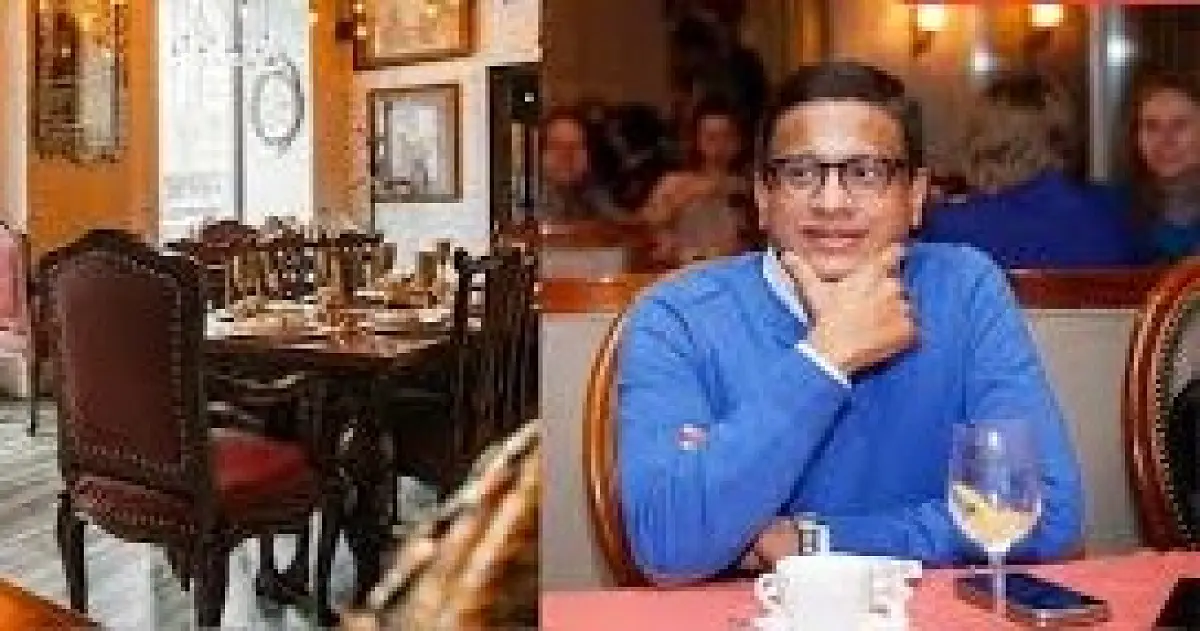
Darbars, established on March 15, 1996 by Indian entrepreneur, has evolved into Moscow’s oldest Indian restaurant, transitioning from a diaspora-focused eatery to a mainstream dining destination where 80–85% of customers are now local Russian diners.
The restaurant, located near Prospekt Mira in central Moscow, reflects nearly three decades of operation in a market that initially had limited exposure to Indian cuisine. Founded during the early post-Soviet economic transition, Darbars has navigated shifts in consumer preferences, supply chains and market conditions while maintaining its original culinary identity.
Founded in 1996 During Post-Soviet Transition
Nair arrived in Moscow in 1989 as a computer engineer, managing after-sales technical services. The economic reforms of the Perestroika period prompted a career shift, leading him to leave his corporate role and enter business. His long-term ambition, however, centered on introducing Indian cuisine to international markets.
This vision materialized in 1996 with the opening of Darbars. At the time, Indian food was largely unfamiliar to Russian consumers, and international dining options were still developing. The restaurant initially served Indian expatriates, including students, professionals and families seeking familiar food.
Without access to digital marketing tools, early growth relied on word-of-mouth promotion. This approach generated gradual awareness among local customers, supported by pre-existing cultural familiarity through Indian cinema.
Operational Challenges and Ingredient Constraints
Launching and sustaining an Indian restaurant in Moscow during the 1990s involved significant operational challenges. Language barriers were among the primary obstacles, as Russian was the dominant mode of communication. The business addressed this through staff training and internal systems designed to align service delivery with customer expectations.
Ingredient sourcing posed an additional constraint. Indian cuisine relies heavily on spices, many of which were not readily available in Moscow at the time. The restaurant adapted by sourcing from limited East Asian markets and developing in-house spice blends to maintain flavor consistency.
These adjustments enabled Darbars to operate with a high degree of authenticity despite logistical limitations, a factor that contributed to its long-term positioning in the market.
Expansion to Eight Outlets and Pandemic Contraction
Over time, Darbars expanded its footprint, reaching a peak of eight outlets across Moscow. This growth reflected increasing acceptance of Indian cuisine among local consumers and a broader diversification of the city’s dining landscape.
However, the COVID-19 pandemic significantly impacted operations, forcing a scale-down to a single remaining outlet. Despite the contraction, the business retained its core team and continued to prioritize food quality and service standards.
The current operation represents a consolidated model focused on sustainability rather than rapid expansion, with management emphasizing consistency and long-term resilience.
Shift to Majority Local Customer Base
Customer demographics at Darbars have shifted substantially since its early years. While the restaurant initially catered primarily to the Indian diaspora, it now serves a predominantly Russian clientele, accounting for approximately 80–85% of customers.
This transition reflects broader changes in consumer behavior, with increasing acceptance of international cuisines in Russia. Dishes such as butter chicken, chicken tikka, butter naan and palak paneer have become widely recognized among local diners.
Customer preferences have also evolved in terms of flavor profiles. According to the operator, early diners often requested minimal spice levels, whereas current customers increasingly seek more traditional, spicier preparations.
Role as Cultural and Diplomatic Dining Venue
Beyond its commercial operations, Darbars has functioned as a cultural platform, facilitating exchange between Indian and Russian communities. The restaurant has participated in events such as Indian cultural bazaars and has catered for embassies and official gatherings.
It has also hosted high-profile visitors, reinforcing its role as a representative venue for Indian cuisine in Russia.
In 2017, Darbars received the Best Indian Kitchen in Europe Award, recognizing its sustained focus on authenticity and operational consistency.
Community Support and Long-Term Positioning
During the COVID-19 pandemic, the restaurant extended its role beyond commercial activity by providing free meals to stranded Indian nationals in Russia. This initiative highlighted its function as a community support hub during periods of disruption.
After nearly 30 years of operation, Darbars remains active as a single-unit restaurant, maintaining its original culinary philosophy of serving traditional Indian cuisine without adaptation for local tastes. Management attributes its longevity to consistency in food quality and team retention.
The business continues to operate within Moscow’s evolving dining sector, reflecting both the globalization of food culture and the long-term viability of niche cuisine concepts in international markets.