Delmonico’s Steakhouse Highlights Historic Role in Advancing Women’s Dining Rights
Delmonico’s Steakhouse is being recognized for its historical role in advancing women’s access to public dining, reflecting broader social changes in the restaurant industry.
 Prajakta Sanjay Warwadkar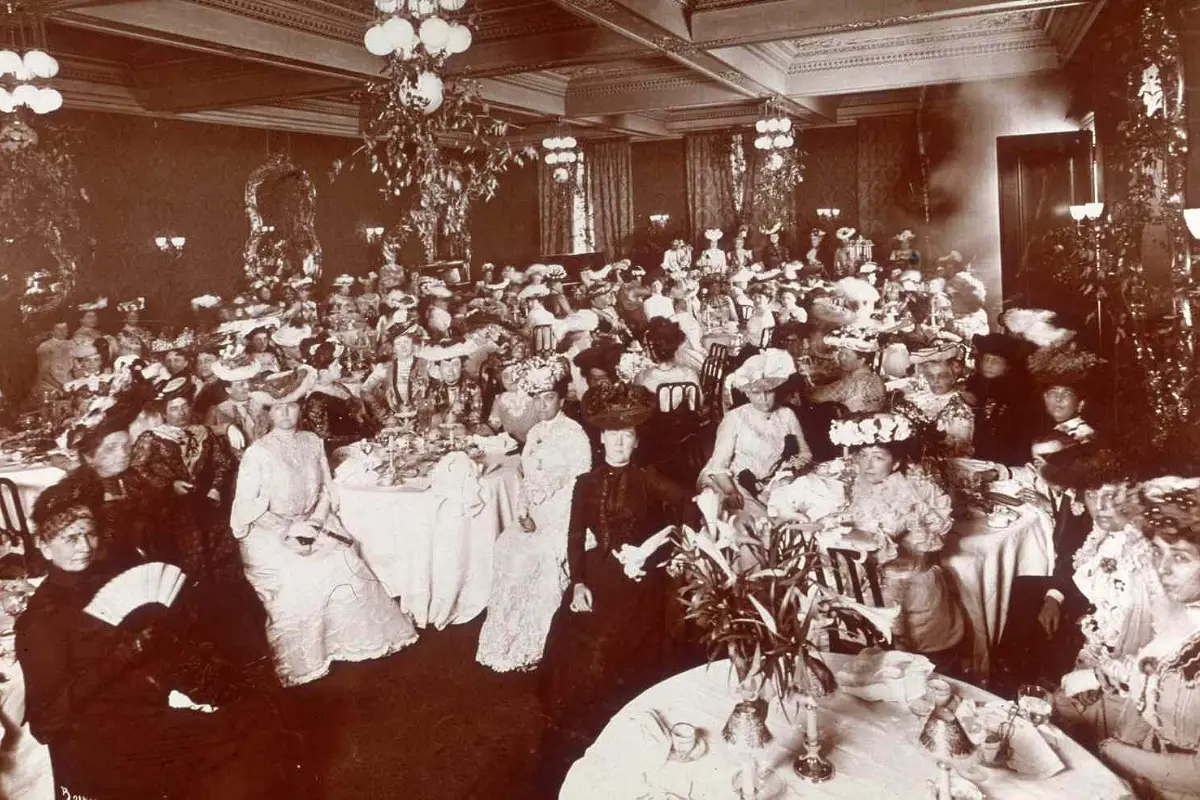
Delmonico’s Steakhouse Highlights Historic Role in Advancing Women’s Dining Rights
Delmonico’s Steakhouse, one of the most iconic dining establishments in the United States, is drawing renewed attention in 2026 for its historic role in advancing women’s access to public dining, marking a significant shift in social norms within the restaurant industry. The recognition underscores how the establishment contributed to changing perceptions of gender roles in public spaces during the 19th century.
The renewed focus on Delmonico’s comes amid broader discussions حول the evolution of dining culture and inclusivity, as the hospitality industry continues to reflect on its historical roots while adapting to modern expectations.
A Landmark in American Dining History
Founded in the 1800s, Delmonico’s Steakhouse is widely regarded as one of the first fine dining restaurants in the United States. Known for its innovative approach to cuisine and service, the establishment set early standards for what would become modern restaurant culture.
Beyond its culinary contributions, Delmonico’s played a pivotal role in shaping social practices associated with dining. At a time when public eating spaces were largely dominated by men, the restaurant began welcoming women, helping to redefine societal expectations حول who could participate in such environments.
This shift marked a turning point in the accessibility of restaurants as social spaces.
Breaking Gender Barriers in Public Dining
During the 19th century, women dining alone or in public settings often faced social restrictions and stigma. Restaurants were not always considered appropriate spaces for women, particularly in formal or high-end establishments.
Delmonico’s challenged these norms by creating an environment where women could dine comfortably, either independently or in groups. This approach contributed to the gradual normalization of women’s presence in restaurants, influencing broader societal acceptance.
The restaurant’s policies and practices helped pave the way for more inclusive dining experiences across the industry.
Influence on Hospitality Standards
The impact of Delmonico’s extended beyond social change to influence operational standards within the hospitality sector. The restaurant introduced innovations such as printed menus, private dining rooms, and a focus on customer experience, all of which contributed to its reputation as a pioneer.
By accommodating a more diverse clientele, including women, the establishment demonstrated the commercial and cultural benefits of inclusivity. This approach encouraged other restaurants to adopt similar practices, gradually transforming the industry.
Inclusivity became an important component of hospitality, shaping how businesses approached customer service.
Reflection of Broader Social Change
The evolution of women’s access to public dining spaces reflects wider societal changes related to gender equality and social mobility. As women gained greater independence and visibility in public life, restaurants became important venues for social interaction and participation.
Delmonico’s role in this transformation highlights how the hospitality industry can both influence and respond to societal trends. The restaurant’s willingness to adapt to changing norms positioned it as a leader in cultural as well as culinary innovation.
This historical context continues to resonate in modern discussions حول diversity and inclusion.
Modern Relevance for the Industry
Today, the legacy of Delmonico’s serves as a reminder of the importance of inclusivity in the hospitality industry. Restaurants are increasingly expected to create welcoming environments for diverse audiences, reflecting contemporary values and expectations.
Issues such as gender equality, accessibility, and representation remain central to the industry’s evolution. By examining historical milestones, operators can gain insights into how inclusive practices contribute to long-term success.
The story of Delmonico’s illustrates the enduring impact of progressive approaches to hospitality.
Cultural Significance of Dining Spaces
Restaurants have long functioned as more than just places to eat, serving as social and cultural hubs where ideas, relationships, and communities are formed. The inclusion of women in these spaces expanded their role as centers of social interaction.
This transformation also influenced the design and atmosphere of restaurants, leading to more diverse offerings that catered to a broader audience. The shift contributed to the development of dining as a shared cultural experience rather than a restricted activity.
Such changes have had lasting effects on how dining is perceived اليوم.
Continuing Evolution of Dining Culture
The hospitality industry continues to evolve in response to changing societal norms and consumer expectations. Modern restaurants are embracing inclusivity not only in terms of gender but also across dimensions such as culture, identity, and accessibility.
Historical examples like Delmonico’s provide valuable lessons on the importance of adapting to social change. Businesses that prioritize inclusivity are better positioned to connect with diverse audiences and remain relevant in a competitive market.
The ongoing evolution of dining culture reflects a broader commitment to equity and representation.
Industry Recognition and Awareness
The renewed attention on Delmonico’s highlights a growing interest in the history of the restaurant industry and its role in shaping social dynamics. Industry professionals and historians are increasingly exploring how past practices influence present-day operations.
Such recognition not only honors historical contributions but also encourages dialogue حول future directions for the industry. Understanding these foundations is essential for building more inclusive and sustainable hospitality models.
The acknowledgment reinforces the importance of preserving and learning from industry history.
Future Outlook
As the hospitality sector continues to adapt to evolving expectations, the principles of inclusivity and accessibility are likely to remain central. Restaurants that embrace these values can foster stronger connections with customers and contribute to positive social change.
The legacy of establishments like Delmonico’s will continue to inform discussions حول the role of restaurants in society. By balancing tradition with innovation, the industry can build on its history while addressing contemporary challenges.
The focus on inclusivity is expected to shape the future of dining experiences عالميًا.
Conclusion
The renewed recognition of Delmonico’s Steakhouse underscores its historical role in advancing women’s access to public dining, highlighting how the restaurant industry has contributed to broader social change and continues to evolve toward greater inclusivity.