Food startup Fat Belly opens third restaurant in Guwahati
Food startup Fat Belly opens third restaurant in Guwahati with expanded menu and seating, strengthening local presence; read on for full details
 Ekta Mathew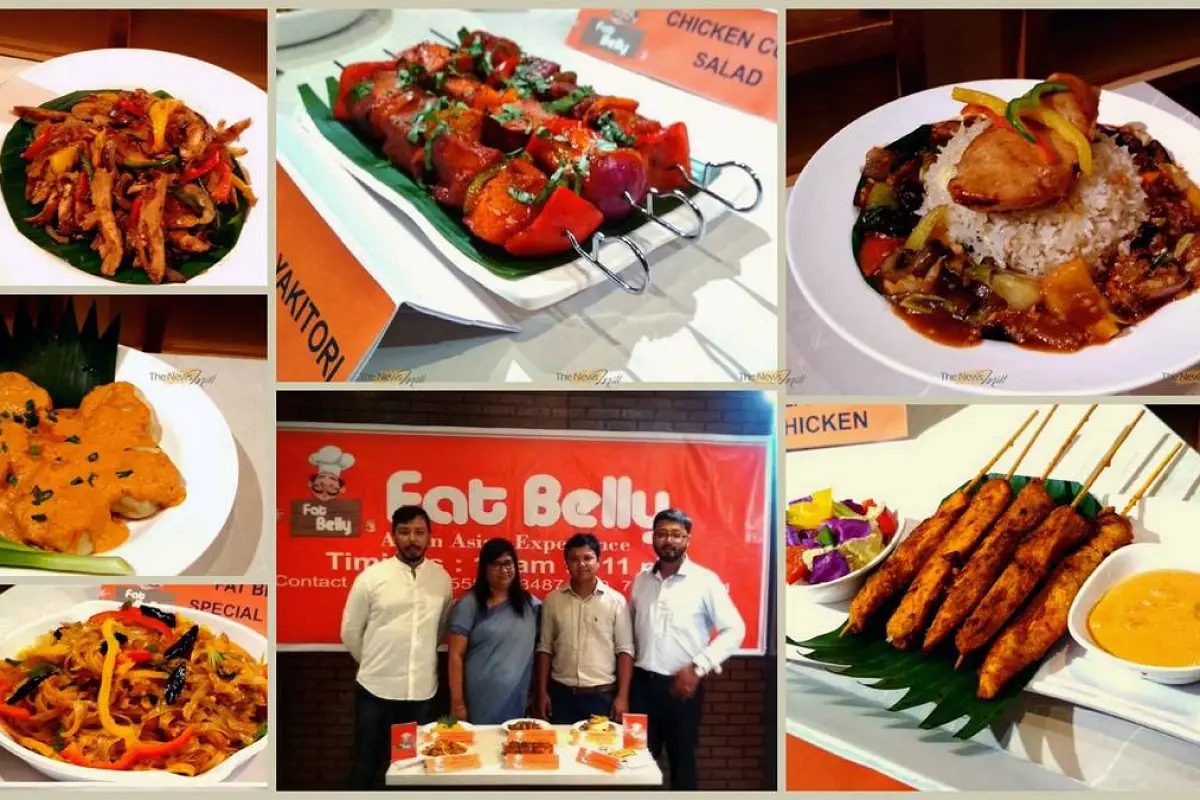
GUWAHATI, June 24, 2018 — Food startup Fat Belly opens its third restaurant in Guwahati, expanding its footprint in the city’s dining scene with a new outlet opposite Commerce College in the heart of Assam’s largest city. The restaurant chain now operates three locations, adding to its existing outlets in Dighalipukhuri and Uzan Bazaar, offering an extended menu and increased seating capability.
Co-founder Dhiraj Deka, who started the brand with Parixit Bhattacharjee after returning from careers in Mumbai and Goa, said the new location allows the startup to enhance its dine-in and delivery services across Guwahati. The third restaurant features expanded seating for around seventy-five guests, making it the largest of the three Fat Belly locations.
Fat Belly grows its local presence
Primary keyword Fat Belly Guwahati appears in the first H2 paragraph and throughout this section to reinforce the brand’s local growth. The menu at the new restaurant includes a variety of momo dishes that made the brand popular, along with additional options drawn from pan-Asian and Thai influences. The co-founders noted that menu expansion and strategic locations have helped the business resonate with both quick-bite customers and full-meal diners.
The opening reflects a broader trend of local food startups leveraging diverse cuisines and delivery services to capture market share in key Assam neighborhoods. Fat Belly’s third restaurant aims to serve both on-site guests and customers ordering through home delivery channels, strengthening its presence in the competitive Guwahati restaurant market.
Background: Fat Belly first opened its doors with a focus on momo varieties and Asian-inspired fare, quickly earning a following for its extensive menu and varied offerings for vegetarians and non-vegetarians alike. With the third outlet now open, the brand continues to pursue growth while rooted in local tastes and preferences.
More information about Indian cuisine and its regional diversity can be explored through Indian cuisine history and traditions.
Businesses monitoring hospitality expansion trends can also explore restaurant industry growth trends for 2026 to understand how regional food concepts are shaping dining markets.