FAT Brands Moves Toward $1B Multi-Buyer Sale
FAT Brands sale moves forward as multiple buyers prepare deals worth nearly $1 billion for the restaurant franchising company. Read more.
 Prajakta Sanjay Warwadkar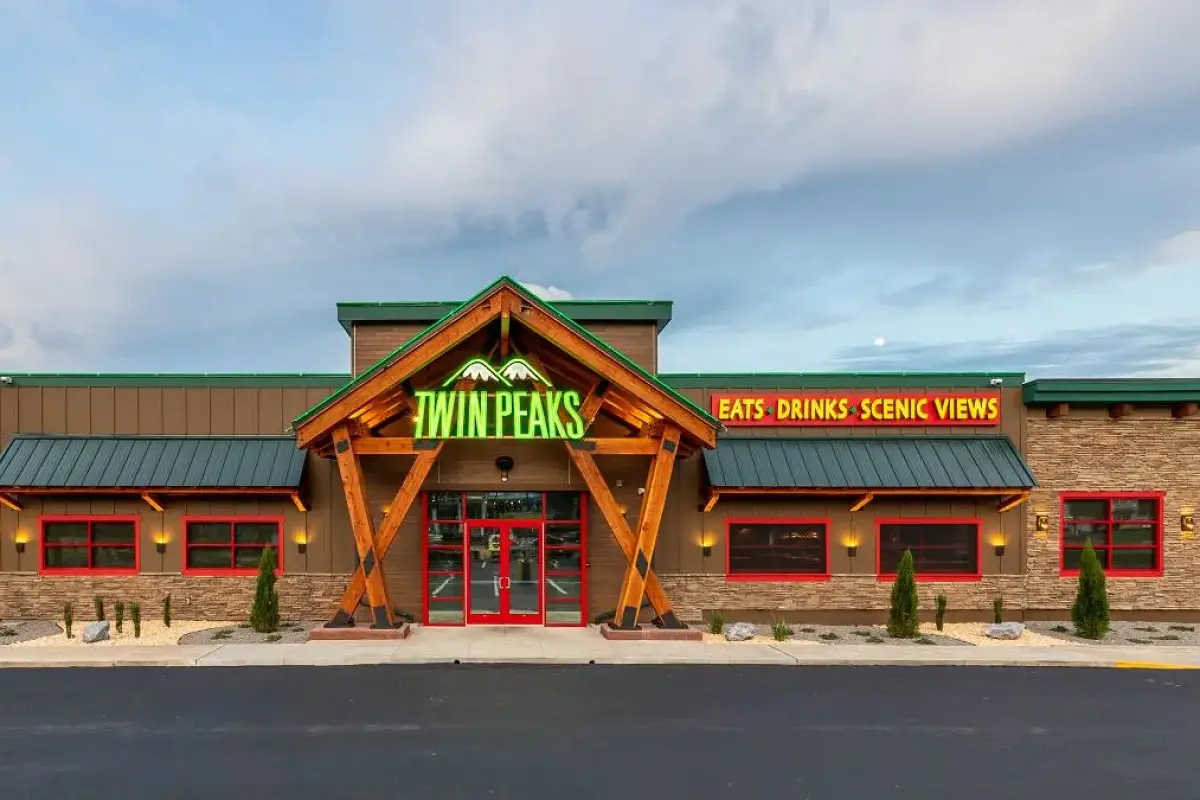
LOS ANGELES, May 21, 2026 — FAT Brands moves closer to a nearly $1 billion breakup sale after a court-approved process opened the door for multiple buyers to acquire parts of the restaurant franchising company. The deal structure includes separate buyers for several major restaurant brands within the FAT Brands portfolio.
The proposed transactions arrive after months of financial pressure surrounding the company and its restaurant operations. Industry analysts say the sale could reshape parts of the franchising landscape across the casual dining and quick-service restaurant sectors.
FAT Brands Sale Reshapes Restaurant Franchise Portfolio
FAT Brands built one of the largest multi-brand restaurant portfolios in the United States through years of acquisitions. The company controls several well-known chains across burgers, casual dining and fast-casual categories.
The new sale plan divides those brands among different buyers instead of transferring the entire company to one operator.
Restaurant Chains Attract Separate Buyers
The transaction process reportedly includes interest from private equity groups, restaurant operators and franchise investors looking to expand their holdings.
Several brands under the FAT Brands umbrella continue operating independently during the sale process. Franchise locations remain open while ownership discussions continue.
The company’s portfolio includes burger chains, family dining concepts and sports-themed restaurant brands that maintain national recognition across the restaurant industry.
Industry observers say splitting the company into separate deals may help maximize value for creditors and stakeholders.
FAT Brands Sale Highlights Industry Consolidation Trends
The restaurant industry continues experiencing consolidation as operators seek scale, operational efficiency and broader franchise networks.
The FAT Brands sale reflects how multi-brand restaurant companies have become increasingly common during the past decade.
Restaurant Groups Continue Acquisition Strategy
Large franchise operators frequently expand through acquisitions instead of developing entirely new concepts. That strategy allows companies to grow customer reach more quickly.
FAT Brands followed that approach aggressively during its expansion years by purchasing established restaurant chains across different dining categories.
However, rising debt costs, inflation and shifting consumer spending patterns have created pressure on heavily leveraged restaurant companies.
Many operators now face stricter financial conditions as lenders and investors become more cautious about growth-focused acquisition models.
FAT Brands Faces Pressure From Restaurant Market Changes
The broader restaurant sector has faced uneven performance during the past two years. Rising food prices, labor shortages and higher operating expenses continue affecting restaurant profitability.
Consumer dining habits have also shifted as customers prioritize value-focused spending.
Franchise Operators Adjust to New Consumer Behavior
Quick-service chains and fast-casual brands continue competing aggressively on pricing and loyalty programs. Many restaurant groups now rely heavily on digital ordering and delivery partnerships.
Casual dining chains, meanwhile, face pressure from both inflation and changing customer expectations around convenience.
Restaurant operators increasingly balance menu innovation with cost management strategies to maintain customer traffic.
Industry analysts say franchise groups carrying large debt obligations face additional challenges during periods of slower sales growth.
The FAT Brands sale process reflects broader financial adjustments happening across the hospitality and foodservice industries.
Restaurant Investors Continue Seeking Franchise Growth
Despite financial pressure across parts of the industry, investors remain interested in established restaurant brands with strong franchise networks.
Well-known concepts often retain long-term value because of customer familiarity and national market presence.
Established Brands Hold Long-Term Appeal
Buyers evaluating FAT Brands assets reportedly view several restaurant concepts as opportunities for operational improvement and market expansion.
Restaurant acquisitions frequently focus on streamlining operations, modernizing technology and improving franchise performance.
Many private equity groups continue targeting foodservice businesses because restaurant franchising provides recurring royalty revenue.
The sector also benefits from relatively predictable consumer demand compared with some other retail categories.
Still, investors remain selective about which brands can sustain growth in a competitive dining market.
FAT Brands Sale Could Impact Franchise Owners
Thousands of franchise operators work under the restaurant brands included within the FAT Brands system. Ownership changes may eventually influence operational strategies, marketing programs and expansion plans.
Franchisees typically watch acquisition processes closely because leadership changes can affect long-term brand direction.
Franchise Stability Remains Key Concern
Restaurant franchise operators often prioritize supply chain consistency, technology support and stable marketing systems during ownership transitions.
Industry experts say smooth operational continuity remains essential when restaurant chains move between owners.
Buyers acquiring established brands generally aim to preserve franchise relationships while improving profitability and expansion opportunities.
Restaurant companies that maintain strong franchise communication often navigate ownership changes more effectively.
Several FAT Brands concepts continue operating normally during the ongoing restructuring and sale proceedings.
Restaurant Industry Sees Continued Financial Restructuring
The restaurant industry has experienced multiple restructurings and ownership changes since the pandemic-era recovery period began.
Operators continue adapting to higher financing costs and more cautious consumer spending patterns.
Debt Levels Influence Restaurant Operations
Many restaurant companies expanded aggressively during low-interest-rate periods earlier in the decade. As borrowing costs increased, heavily financed businesses faced additional pressure.
Some operators responded through refinancing efforts, asset sales and strategic restructuring programs.
The FAT Brands sale demonstrates how restaurant groups are reevaluating financial structures to stabilize long-term operations.
Industry consultants say restaurant brands with loyal customer bases and flexible franchise models remain attractive acquisition targets despite market uncertainty.
Investors also continue focusing on brands capable of improving digital ordering, off-premise dining and operational efficiency.
FAT Brands Sale Signals New Phase for Restaurant Franchising
The nearly $1 billion sale process marks a major turning point for FAT Brands and its collection of restaurant concepts.
Multiple buyers entering the transaction could reshape competitive positioning across several dining categories.
Hospitality Sector Watches Major Franchise Deals
Restaurant executives and franchise investors continue monitoring large-scale acquisition activity as consolidation reshapes the industry.
Multi-brand operators remain common across quick-service and casual dining sectors, though investors now place greater emphasis on profitability and operational discipline.
The FAT Brands sale may become one of the most closely watched restaurant transactions of 2026 because of the company’s broad brand portfolio and franchise footprint.
Hospitality analysts expect continued merger and acquisition activity throughout the year as restaurant companies seek stronger financial positioning and market scale.
Additional details regarding individual buyers, brand ownership structures and long-term operational plans are expected to emerge as the transaction process moves forward.
For franchise owners, investors and restaurant industry executives, the FAT Brands sale represents another sign of how rapidly the business side of hospitality continues evolving.