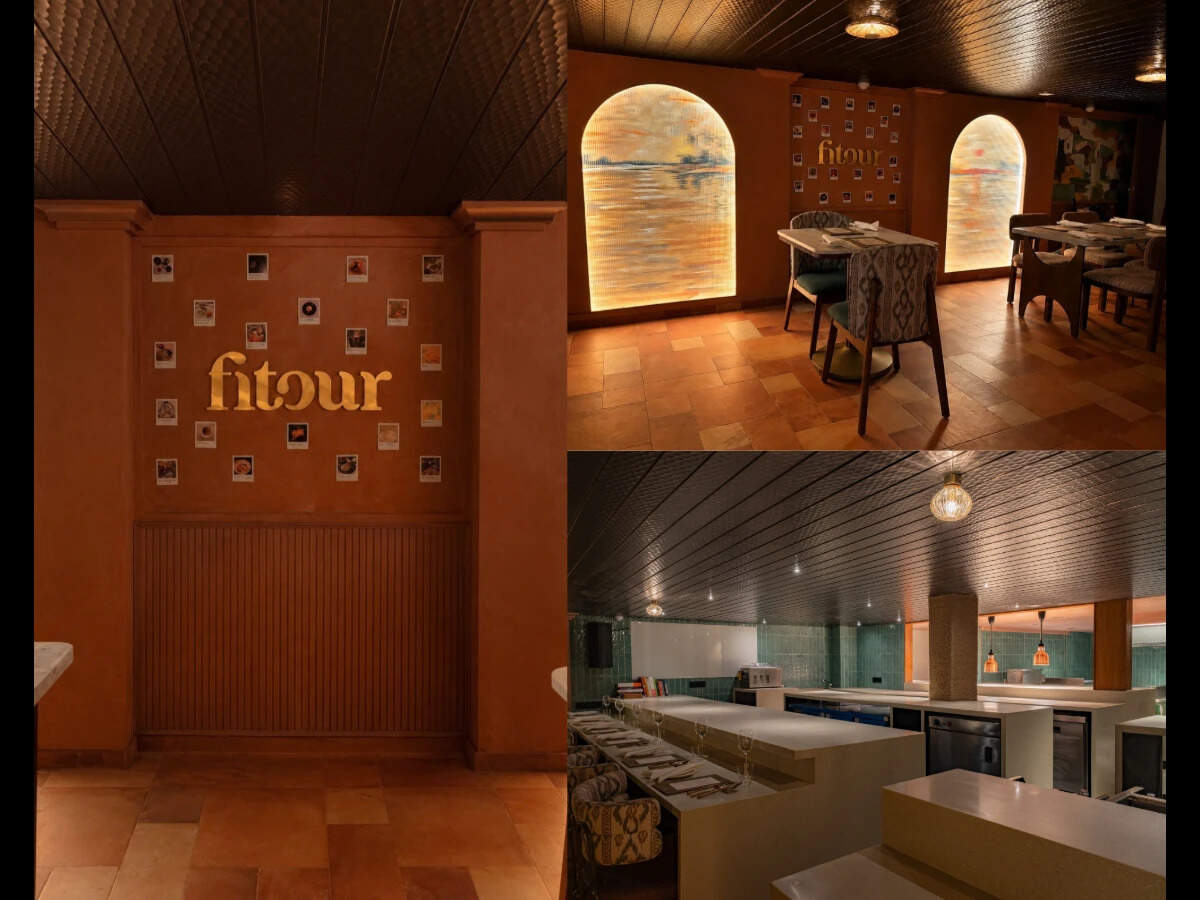
Team Egypt's World Cup Stay Puts Spokane's Feteers Egyptian Restaurant on the Map
Feteers Egyptian restaurant in Spokane gained national attention when Team Egypt came to town for the 2026 FIFA World Cup, drawing media and first-time diners. Read more.
 Prajakta Sanjay Warwadkar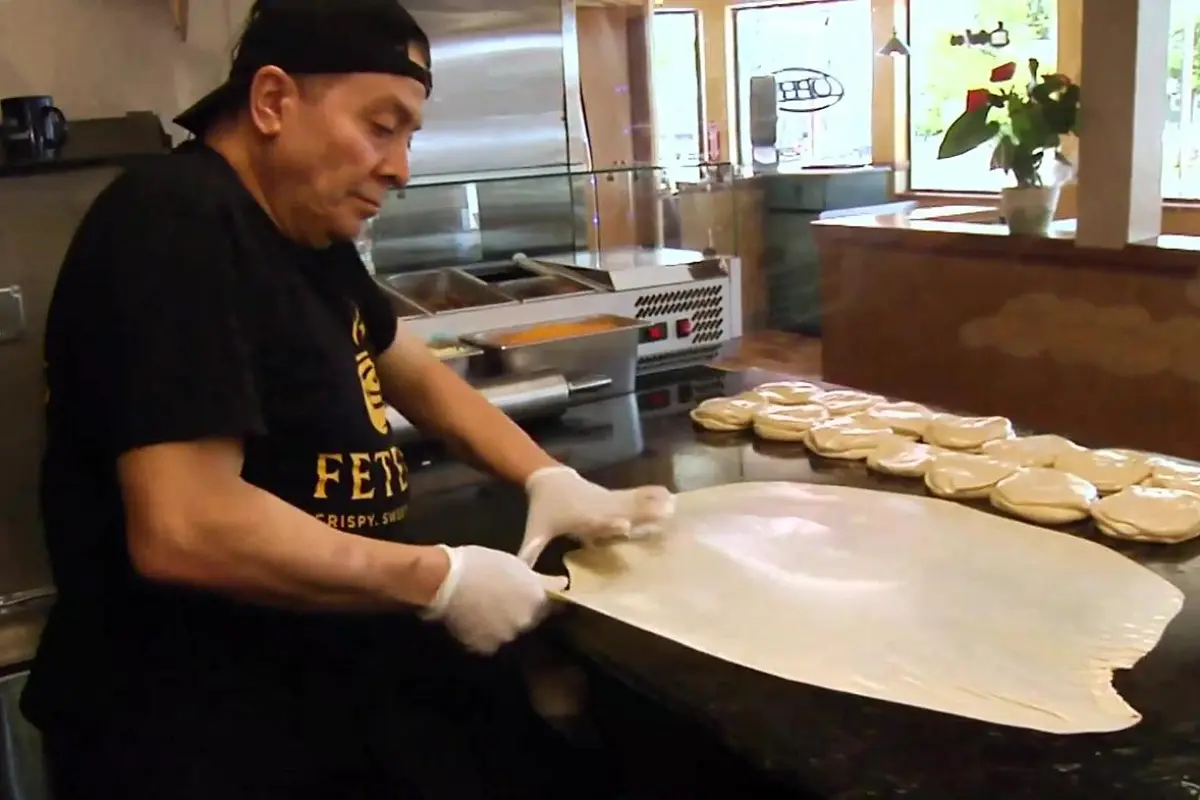
SPOKANE, Wash., June 11, 2026 — Feteers, a new Egyptian restaurant in Spokane, opened about a month before Team Egypt arrived in the city ahead of the 2026 FIFA World Cup a coincidence of timing that has brought a wave of media attention and new customers through the door. Owners Leila Altassan and Amir Talb told NonStop Local KHQ that they chose the Spokane location without any knowledge that Egypt's national football team would soon be training nearby, making the alignment entirely unplanned.
The restaurant's name refers to feteer, a flaky, layered Egyptian flatbread that serves as one of the country's most beloved everyday foods. The owners describe it as the kind of dish that Egyptians eat everywhere, at any time of day — a staple that most Spokane residents had never encountered before the World Cup put the city and its newest Egyptian restaurant on the same map.
Media Attention Turns First-Time Visitors Into Customers
As news crews and media outlets descended on Spokane to cover Team Egypt's World Cup preparations at Luger Field, coverage of Feteers followed. Altassan said the exposure came faster than the owners had expected. "So many news crews and media have come by so it's been amazing," she said.
The restaurant's social media presence translated media coverage into foot traffic, attracting diners who had never tasted Egyptian food and were willing to seek it out for the first time. One customer, Hudson Frymire, told NonStop Local that he changed his travel plans specifically to eat at Feteers. "Our flight was going to leave here at 7, but I wanted to come here and eat, so we decided instead of flying to make it a road trip so we could come here," Frymire said. He had not tasted the food before deciding to stop in. "Whatever looks good online is what I order," he added.
Talb said the pattern of first-time diners is not surprising given that travel to Egypt to try the cuisine in its home context is not accessible to most Americans. "Most of our customers have never tried this before and would like to because now it's not easy to travel to go to Egypt and try so we bring Egypt to you here," he said.
Building the Menu Took Time and the Right People
Feteers did not open quickly or without difficulty. The owners said finding the right chef and sourcing appropriate ingredients presented real challenges before the restaurant could open. "So that was a struggle, finding the right chef to prepare it and finding what ingredient should we put into this..." Altassan said.
Talb emphasised that the food's quality justifies the wait when the kitchen is busy. "In Egypt this is very popular, like everybody eat everywhere," he said. "It's something good, something fresh. It's made to order so sometimes takes time, we busy, but it's worth it."
The made-to-order approach is central to the restaurant's identity. Feteer is traditionally prepared fresh, with the dough worked and layered by hand, making it inherently a slower process than pre-prepared fast food but giving the finished product a texture and flavour that distinguishes it from anything else on the Spokane dining scene.
A Dish With Deep Roots in Egyptian Daily Life
Feteer meshaltet — the full name of the flatbread at the heart of the menu is one of Egypt's oldest foods, with a history stretching back to the Pharaonic era. It is made from thin layers of dough folded repeatedly with butter or oil and baked in a round, producing a rich, crisp bread that can be eaten plain or filled with sweet or savoury ingredients. Street vendors and specialist feteer shops known as fatatri are common across Egyptian cities, and the bread holds a place in the national food culture comparable to pizza in Italy or crêpes in France.
For broader context on the Middle Eastern and North African culinary traditions that inform Feteers' menu, HCP Good Food's Middle Eastern recipes collection offers useful background on the flavour profiles and cooking techniques of the region.
Team Egypt's time in Spokane has not included a reported visit to the restaurant, but the proximity of the squad's presence has been enough to put Feteers into conversations that reach well beyond the city's existing dining community. For a restaurant less than two months old, the attention has given the owners a platform that would otherwise take years to build. Further details are available via the restaurant's social media channels in Spokane.
More information about Indian cuisine and its regional diversity can be explored through Indian cuisine history and traditions.
Businesses monitoring hospitality expansion trends can also explore restaurant industry growth trends for 2026 to understand how regional food concepts are shaping dining markets.