McDonald’s AI Pricing Lawsuit Alleges Menu Price Fixing in US
McDonald’s AI pricing lawsuit alleges the chain coordinates menu prices with franchisees via algorithms. McDonald’s denies it and says franchisees set prices.
 RUKAIYA KADIWAL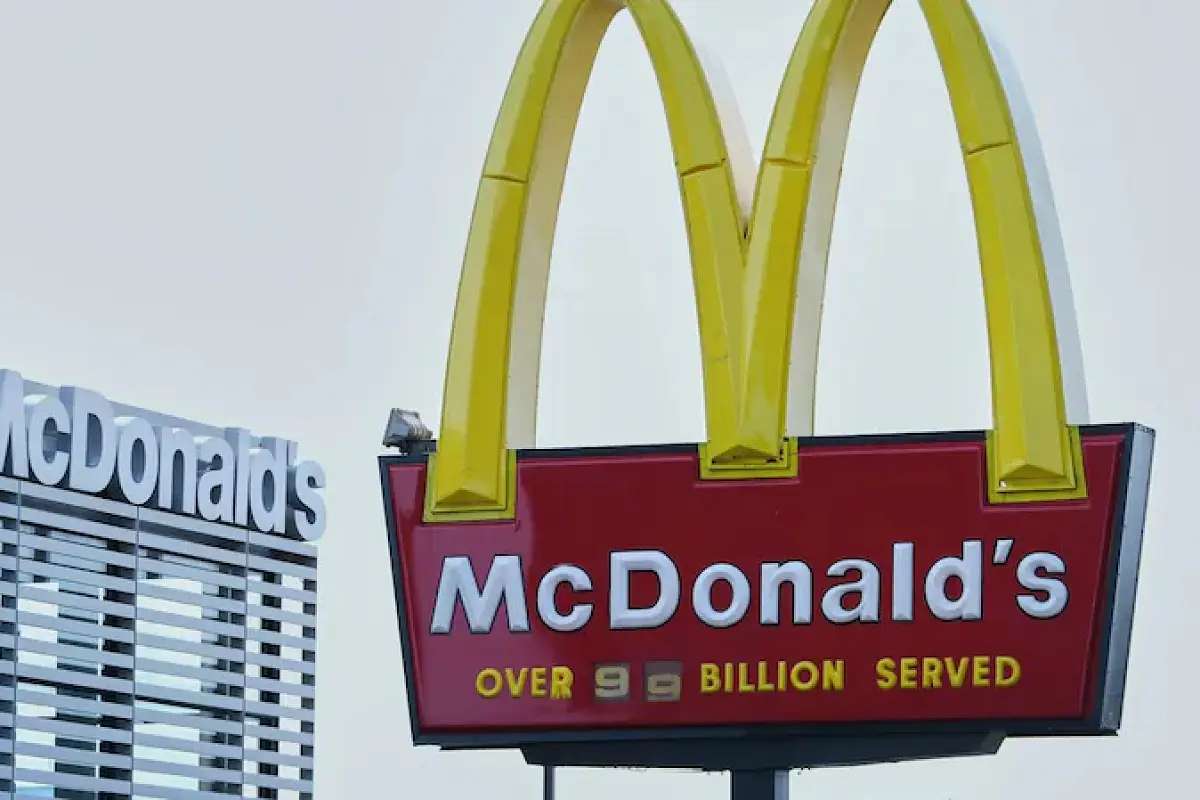
McDonald’s AI pricing lawsuit reaches the public the way the brand always has, through a sign. In a photograph, the golden arches rise against a pale gray sky above a red panel with white lettering. Beneath the name, a counter reads over 99 billion served. A modern building carrying the same logo stands blurred in the background.
The sign tells a story of scale, and scale is now at the center of a legal fight. A proposed nationwide class action filed in federal court in Chicago accuses the chain of coordinating menu prices through an AI powered system. Reuters reported the filing on Oct. 6, 2026. The claims are allegations, and none has been tested in court.
What the McDonald’s AI Pricing Lawsuit Alleges
The suit was filed on Friday. It says McDonald’s violated U.S. antitrust law by conspiring with independent franchisees to fix prices. It claims the chain does this through algorithms trained on nonpublic data. The complaint covers franchised restaurants and company owned ones.
The plaintiff is an Illinois resident. The filing asks the court to let that person represent a class of potentially millions of McDonald’s customers. The lawsuit leans on a simple principle, stating that independent businesses must set their prices independently.
The complaint also cites a Reuters report from last week. That report said the chain's pricing engine uses machine learning to analyze data from millions of daily transactions. It covers nearly 14,000 restaurants. The report added that other fast food companies are also turning to AI for pricing and other operations.
How McDonald’s Responded to the Class Action Lawsuit
McDonald’s answered in a statement on Monday. It called the allegations speculative and uninformed. The company said "AI does not set the price of a Big Mac" or any other menu item.
It also made a point about structure. Franchisees, the company said, make their own pricing decisions. It added that pricing recommendation tools and analytics are widely used across industries. In other words, the chain argues that a tool offering advice is not the same as a system fixing prices.
That distinction will likely sit at the heart of the case. Courts have to decide where helpful analytics end and coordination begins. The answer may depend on what data the system uses and how closely operators follow its suggestions.
Why Algorithmic Price Fixing Cases Keep Growing
The suit does not stand alone. U.S. plaintiffs have filed a wave of class actions in recent years that accuse companies of using algorithms or AI to coordinate prices. Earlier targets include hotel rooms and apartment rentals. The theory is that shared software can do what a secret meeting once did.
Lark Turner, a lawyer for the plaintiff, said in a statement that McDonald’s uses its data and franchise network to squeeze consumers down to the last fry. The phrase is sharp, and it reflects the plaintiff's framing. McDonald’s rejects that picture entirely.
For readers, the stakes are practical. Menu prices touch millions of households every week. Any ruling on shared pricing tools could shape how large chains use data, and how franchise systems balance central advice with local choice.
What Operators and Diners Should Watch Next
The case is at its earliest stage. The report does not say when the court will hear arguments or whether it will certify the class. A judge could dismiss the suit, narrow it or let it proceed. Until then, the claims remain unproven.
Restaurant operators of every size will follow the outcome. Many already use software to suggest prices, schedules and orders. The question of how much advice is too much will not stay inside one company. Readers following restaurant industry news can also see our report on Haldiram's Frisco.
For the company's own view, readers can visit the McDonald’s official website. This story will be updated as the court process moves forward.
A Number on a Sign
Return to the sign. The counter keeps its number, and the arches keep their color. Billions of meals sit behind those digits, each one bought at a price someone decided.
The coming months will test who that someone is. A court will weigh a machine's advice against a franchisee's choice. Whatever it decides, the McDonald’s class action lawsuit has already put an old question in front of a new audience, which is who really sets the price of lunch.