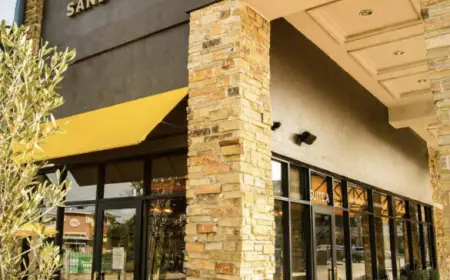
Fire-Damaged Restaurant Launches Fundraising Effort to Support Recovery in Canada
A fire-affected restaurant in Canada has launched a fundraising campaign to support rebuilding efforts and recover from significant damage in 2026.
 Prajakta Sanjay Warwadkar
Fire-Damaged Restaurant Launches Fundraising Effort to Support Recovery in Canada
A restaurant in Canada that was recently damaged by a fire has launched a fundraising campaign in 2026 to support its recovery and rebuilding efforts, as the business faces significant operational and financial challenges following the incident. The initiative aims to gather community and customer support to help restore the establishment and bring it back into operation.
The fire, which caused extensive damage to the restaurant’s premises, forced a temporary closure and disrupted normal business activities. While no casualties were reported, the impact on infrastructure and equipment has left the owners facing substantial repair costs and uncertainty about reopening timelines.
Fundraising Initiative Gains Momentum
In response to the incident, the restaurant’s management has initiated a fundraising campaign to offset the financial burden of repairs and restoration. The effort is being supported by loyal customers, local residents, and members of the wider community who are contributing to help the business recover.
Fundraising activities include online donation drives and community-led initiatives designed to generate financial support and raise awareness about the restaurant’s situation. Early responses indicate strong engagement, reflecting the establishment’s connection with its customer base.
The campaign highlights the growing role of community support in helping small and independent businesses navigate unexpected crises.
Impact of the Fire on Operations
The fire has resulted in extensive damage to key areas of the restaurant, including kitchen facilities, dining spaces, and essential equipment. As a result, operations have been suspended indefinitely while assessments and cleanup efforts are underway.
Repairing the damage will require significant investment, covering structural restoration, replacement of equipment, and compliance with safety and regulatory requirements. The scale of the damage has made it challenging for the business to rely solely on internal resources.
The temporary closure has also affected employees, many of whom depend on the restaurant for their livelihoods, adding to the urgency of recovery efforts.
Community Support Plays Key Role
The response from the local community has been a critical factor in the early stages of the restaurant’s recovery. Customers and neighboring businesses have shown solidarity through donations, promotional efforts, and participation in fundraising activities.
Community-driven support not only provides financial assistance but also boosts morale for the restaurant’s team during a difficult period. This collective effort underscores the importance of strong customer relationships in the hospitality industry.
Such support systems are often vital for small businesses that lack extensive financial backing.
Challenges in Rebuilding Process
Rebuilding after a fire presents multiple challenges, including navigating insurance claims, securing funding, and managing construction timelines. Restaurant operators must also ensure that rebuilt facilities meet updated safety standards and regulations.
The process can be time-consuming, often requiring months before operations can resume. During this period, maintaining customer engagement and brand visibility becomes essential to ensure a successful reopening.
Balancing financial constraints with the need for quality restoration is another critical challenge faced by the business.
Role of Insurance and Financial Planning
Insurance coverage plays a crucial role in mitigating the financial impact of such incidents. However, claims processing and coverage limitations can delay access to funds, making external fundraising efforts necessary.
The incident highlights the importance of comprehensive risk management and financial planning for restaurant operators. Preparing for unforeseen events can help businesses respond more effectively to crises.
Many industry experts emphasize the need for contingency strategies to ensure business continuity.
Broader Implications for Hospitality Industry
The incident reflects the vulnerability of restaurants to unexpected disruptions, including fires and other emergencies. Such events can have far-reaching consequences, affecting not only the business but also employees, suppliers, and the local economy.
Hospitality businesses are increasingly focusing on safety measures, staff training, and emergency preparedness to reduce risks and enhance resilience. The situation serves as a reminder of the importance of proactive planning in the industry.
Learning from such incidents can help operators strengthen their operational frameworks.
Path to Recovery and Reopening
The restaurant’s management has expressed determination to rebuild and reopen, emphasizing their commitment to serving the community once again. The fundraising campaign is expected to play a crucial role in accelerating the recovery process.
Plans for reopening will depend on the progress of repairs, availability of funds, and regulatory approvals. In the meantime, the business continues to engage with customers through updates and outreach efforts.
The goal is to restore operations while maintaining the quality and experience that customers expect.
Support from Industry and Local Businesses
In addition to community contributions, support from other businesses and industry stakeholders is helping the restaurant navigate the recovery process. Collaborative efforts, such as joint fundraising events and promotional campaigns, are contributing to the overall initiative.
This cooperation reflects the interconnected nature of the hospitality sector, where businesses often rely on each other for support during challenging times. Such partnerships can play a vital role in ensuring long-term sustainability.
The collective response highlights the resilience of the industry.
Outlook for the Business
While the road to recovery remains uncertain, the strong response to the fundraising campaign provides a positive outlook for the restaurant’s future. Continued support from the community and effective management of resources will be key factors in determining the pace of recovery.
The incident may also serve as an opportunity for the business to rebuild with improved facilities and enhanced safety measures. This could strengthen its position in the market once operations resume.
Adapting to challenges and leveraging community support will be essential for long-term success.
Conclusion
The fire-damaged restaurant’s fundraising initiative highlights the importance of community support and resilience in the face of adversity, as efforts continue to rebuild and restore operations in the months ahead.