Hawaii Restaurant Fees: Island Hospitality Economics Made Transparent and Contentious
Hawaii Restaurant Fees proliferate across islands including kitchen surcharges and service charges. Island hospitality challenges create transparent billing practices affecting visitor dining experiences.
 RUKAIYA KADIWAL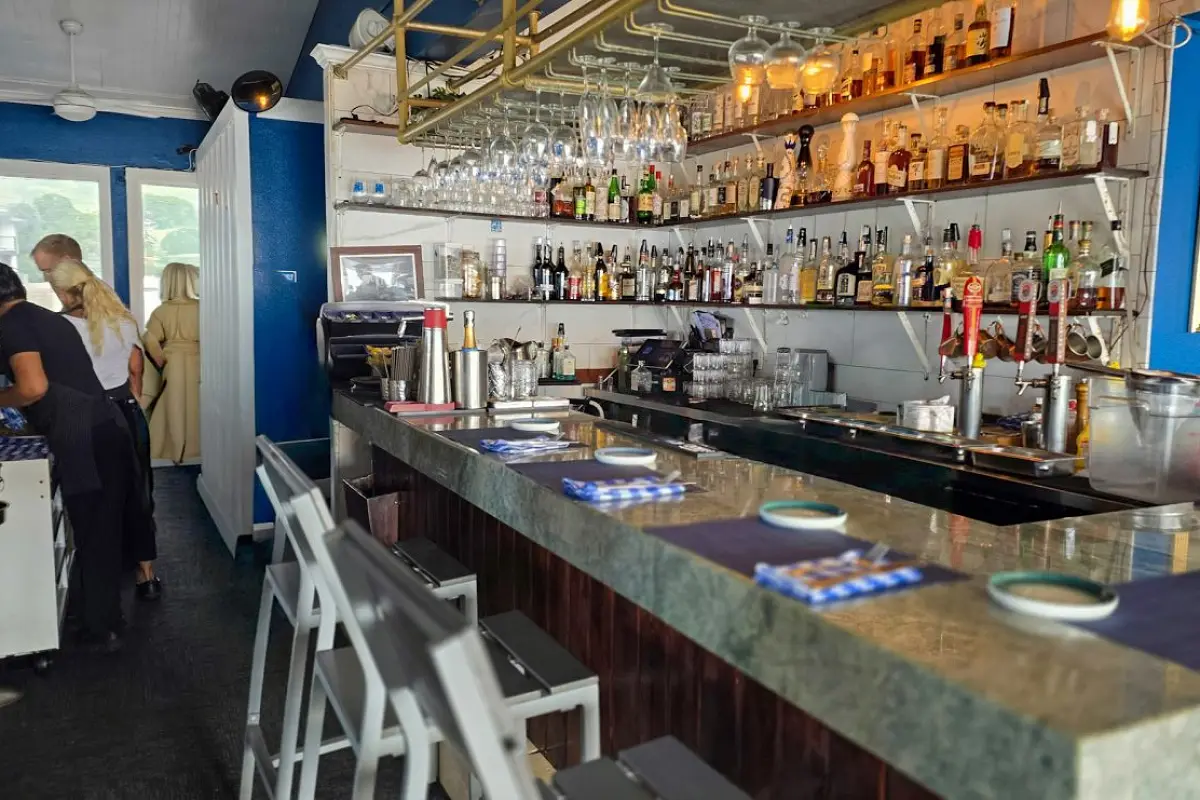
A diner reviews the final bill at a blue-walled restaurant overlooking Hawaiian coast. The meal cost seemed reasonable initially. But additional lines appear below subtotal. Kitchen surcharge. Service charge. Administrative fee. The total climbs unexpectedly. Hawaii Restaurant Fees transform dining experience fundamentally. Hawaii Restaurant Fees reveal how hospitality economics reshape customer expectations.
Why Hawaii Restaurant Fees Matters
Hawaii restaurant surcharges proliferate across islands systematically. Hawaii kitchen surcharge practice becomes standard rather than exception. Hawaii restaurant service charges appear on most bills regularly. Automatic gratuity Hawaii expectations complicate tipping culture. Hawaii dining fees represent business model evolution. Maui restaurant fees particularly concentrate in tourist areas. Restaurant tipping Hawaii confusion spreads among visitors. Hawaii restaurant bill transparency diminishes through fee proliferation. The phenomenon signals profound changes in hospitality economics.
Cost pressures drive fee implementation systematically. Labor expenses increase substantially. Rent rises dramatically on island properties. Food costs exceed mainland prices significantly. Utility expenses impact operations heavily. Restaurants absorb these pressures through fee structures. Menu prices alone prove insufficient for viability. Hawaii Restaurant Fees emerge as financial necessity rather than purely profit-driven strategy.
Understanding Hawaii Kitchen Surcharge Economics
Hawaii restaurant surcharges itemize costs previously absorbed within menu pricing. Hawaii kitchen surcharge makes operational reality transparent explicitly. Labor-intensive preparation costs separate visibly. Hawaii restaurant service charges acknowledge wage pressures directly. Hawaii dining fees break down previously hidden economic realities. Some establishments charge administrative fees covering credit card processing and reservation systems. Maui restaurant fees vary between properties and cuisines significantly.
Menu prices on Hawaiian islands exceed mainland equivalents substantially. Transportation costs increase food prices markedly. Limited local production necessitates imports. Agricultural constraints reduce fresh produce availability. Restaurant tipping Hawaii expectations intensify as bills accumulate. Customers grapple with whether fees substitute for tips. Confusion spreads regarding obligation levels. Hawaii restaurant bill arithmetic becomes complicated requiring careful calculation.
Customer Experience and Hawaii Restaurant Fees Impact
Diners experience surprise and frustration reviewing final totals. Expected costs prove inadequate when fees appear. Hawaii dining fees create uncomfortable moments at tables. Conversations shift from enjoyment to financial assessment. Automatic gratuity Hawaii policies intensify feelings of obligation. Visitors particularly resent unexpected charges. Restaurant tipping Hawaii norms confuse tourists unfamiliar with Hawaiian practices. Some customers question whether service deserved additional compensation.
Hawaii restaurant bill clarity diminishes through fee structures. Customers struggle understanding what each surcharge covers. Some fees appear arbitrary or poorly explained. Staff training insufficient to answer customer questions adequately. Maui restaurant fees visibility varies between establishments. Some restaurants disclose fees on menus. Others reveal them only on final bills. Transparency levels correlate with customer satisfaction inversely.
Restaurant Economics Behind Hawaii Restaurant Surcharges
Hawaii kitchen surcharge implementation reflects genuine financial pressures. Labor shortage persists across islands. Wages must compete with resort and tourism sector positions. Kitchen staff recruitment proves expensive. Training requires time and resources. Hawaii restaurant service charges fund wage maintenance. Benefits and healthcare coverage increase operational costs. Hawaii dining fees offset inflation exceeding national averages. Establishments resist menu price increases risking customer loss.
Operational transparency through Hawaii restaurant surcharges educates customers regarding true costs. Some restaurateurs view fees as honest accounting. Hidden pricing feels more deceptive than disclosed surcharges. Automatic gratuity Hawaii ensures staff compensation consistency. Hawaii restaurant bill breakdowns show customers exactly where money flows. Philosophically, some establishments argue transparency proves more ethical than inflated menu prices.
Competitive Dynamics of Maui Restaurant Fees
Hawaii restaurant fees adoption spreads unevenly across market. Tourist-focused establishments implement surcharges readily. Local-serving restaurants resist practices risking customer relationships. Maui restaurant fees concentrate in visitor-heavy areas. Central Maui operations maintain traditional pricing more frequently. Hawaii dining fees correlate with location desirability. Prime real estate enables fee implementation. Restaurant tipping Hawaii customs vary between visitor and local establishments.
Competition pressures drive conformity gradually. When competitors implement Hawaii restaurant surcharges, remaining establishments face margin pressure. Refusing fees requires absorbing costs independently. Hawaii kitchen surcharge peers raise customer expectations. Restaurant tipping Hawaii norms shift across market. Establishments holding out eventually capitulate. Hawaii restaurant bill totals increase systematically across islands regardless of implementation timing.
What Hawaii Restaurant Fees Reveals About Hospitality
Islands face genuine economic challenges distinct from mainland markets. Hawaii restaurant surcharges represent unavoidable responses to cost structures. Hospitality sustainability requires honest accounting. Hawaii restaurant fees debate illuminates broader industry challenges. Labor costs rise everywhere. Hawaii dining fees simply make pressures visible. Mainland restaurants absorb identical costs through menu prices silently. Automatic gratuity Hawaii systems force confrontation with wage realities, reflecting patterns documented in Beat of Hawaii official reporting and restaurant industry analysis as well as broader hospitality trends discussed in analyses of restaurant economics and fee transparency.
The bill arrives at sunset as ocean breeze cools the blue dining room. Hawaii Restaurant Fees generate frustration and debate. Customers grapple with fairness questions. Hawaii restaurant surcharges continue proliferating. Maui restaurant fees remain part of island dining reality. Hawaii dining fees reflect genuine economic constraints. Restaurant tipping Hawaii culture transforms gradually. Hawaii restaurant bill totals climb steadily. The islands confront difficult truths about hospitality economics that mainland markets avoid addressing openly.