Lufthansa flight disruptions: Breaking news on global route changes
Lufthansa joins major carriers in altering global routes due to security concerns. Stay updated on lufthansa flight disruptions and travel impacts.
 Travel Desk
Major carriers are currently navigating a turbulent landscape, with lufthansa flight disruptions serving as a clear indicator of systemic instability. Global aviation news highlights how geopolitical tensions are forcing airlines to rethink their long-term operational strategies. As a result, travelers must brace for widespread international flight schedule changes across many major hubs.
The Reality of Lufthansa Flight Disruptions
The aviation sector faces unprecedented challenges as military conflicts continue to reshape air corridors. European carriers, including Lufthansa, are responding to security threats by adjusting flight paths to ensure passenger safety. These lufthansa flight disruptions underscore the fragility of modern travel networks when faced with sudden regional instability.
Heightened tensions in the Middle East have forced many operators to implement urgent airline route cancellations. These decisions are not taken lightly, as safety remains the primary priority for all international carriers. By avoiding restricted zones, airlines are effectively navigating a complex environment to maintain essential connectivity.
Middle East Airspace Restrictions and Network Impacts
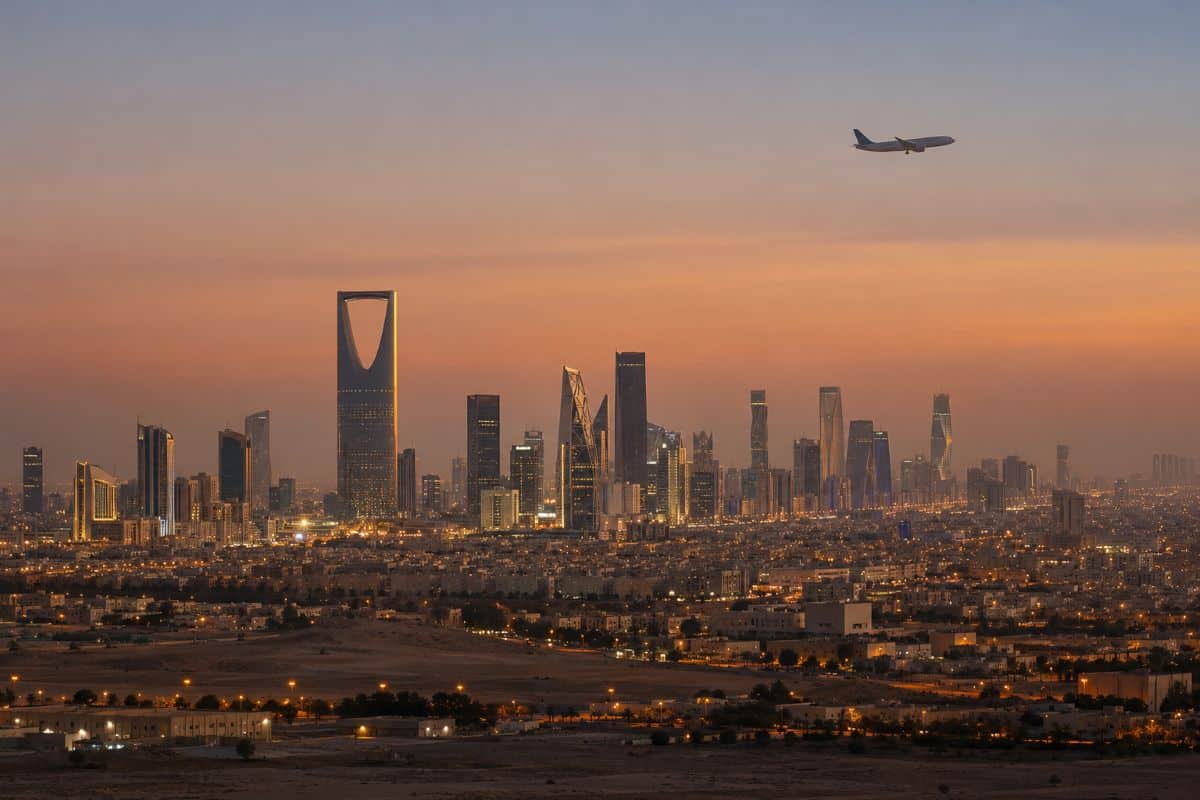
The recent increase in middle east airspace restrictions has complicated transit routes between Europe, Asia, and North America. Specifically, incidents affecting Riyadh’s King Khalid International Airport have caused significant operational delays. Ongoing instability in the region is affecting travel to several key destinations, including:
- Riyadh and other Saudi Arabian hubs
- Dubai, Doha, and Abu Dhabi
- Jeddah and Dammam
- Tel Aviv
These recurring lufthansa flight disruptions create a domino effect for global connectivity. When one major corridor closes, aircraft must be rerouted, often leading to longer flight times and increased fuel consumption. Passengers should monitor the latest travel industry updates to stay informed about their specific itineraries.
Adapting to Global Flight Network Changes
Beyond the immediate crisis, the industry is grappling with long-term consequences from the Russia-Ukraine conflict. Many European airlines are still barred from using Russian airspace, which adds hours to Asia-bound journeys. Frequent lufthansa flight disruptions demonstrate how these combined factors create a volatile environment for flight planning.
Airlines are now focusing on efficiency while managing the logistical burden of these shifts. Managing crew schedules and aircraft deployment has become increasingly difficult under these circumstances. Despite these obstacles, carriers are working to provide alternative routes to minimize the impact of lufthansa flight disruptions.
Navigating Future Travel Uncertainty
The current climate demands high levels of flexibility from both airlines and passengers. As we track these lufthansa flight disruptions, it is clear that geopolitical events hold significant sway over modern logistics. Future travel planning will likely require greater vigilance and awareness of regional flight restrictions.
Reliable data on international flight schedule changes will remain vital for all international travelers. While the situation remains fluid, major carriers continue to prioritize safety above all else. Consistent monitoring of official communication remains the best way to handle the ongoing volatility in global skies.
In conclusion, the aviation industry remains in a period of intense adjustment. The persistence of lufthansa flight disruptions serves as a stark reminder of how regional conflicts dictate global transit. Maintaining clear communication and patience will be essential as the sector works through these complex operational hurdles.
More updates
Follow the latest News and related coverage.