Historic Anchorage Establishment Remembered for Dual Identity as Popular Eatery and Former Brothel
A historic Anchorage establishment from the 1940s is being revisited for its unique past as both a popular chili restaurant and a covert brothel, highlighting Alaska’s colorful culinary history.
 Prajakta Sanjay Warwadkar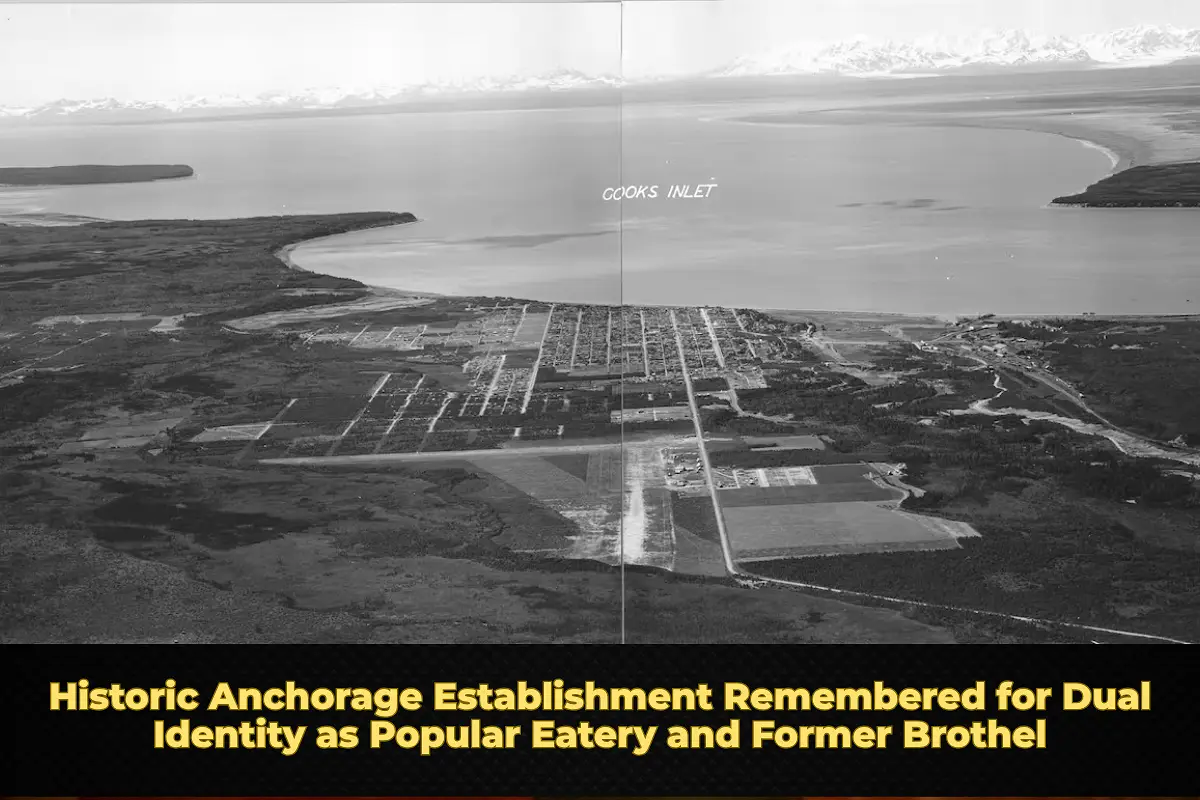
Historic Anchorage Establishment Remembered for Dual Identity as Popular Eatery and Former Brothel
An establishment in Anchorage, Alaska, dating back to the 1940s, is drawing renewed attention for its unusual history as both a well-known chili restaurant and a covert brothel, offering a glimpse into the city’s early hospitality landscape and its complex social dynamics during that era.
The venue, which operated during a formative period in Anchorage’s development, became widely recognized for serving what many locals considered the best chili in town. At the same time, historical accounts reveal that the business functioned as more than just a dining destination, reflecting the multifaceted nature of establishments in frontier communities.
A Popular Dining Spot in a Growing City
During the 1940s, Anchorage was undergoing significant growth, driven by military activity and infrastructure development. Restaurants and eateries played an essential role in supporting the influx of workers, soldiers, and residents seeking affordable and accessible meals.
The chili served at the establishment became a defining feature, attracting a steady stream of customers and building a strong local reputation. Food offerings in such venues were often simple yet hearty, catering to the needs of a working population in a rapidly expanding town.
Its popularity as a dining spot underscores the importance of food establishments in shaping community life during this period.
A Hidden Side of Operations
Beyond its identity as a restaurant, the establishment reportedly operated as a brothel, a reality that reflects broader social and economic conditions in mid-20th century Alaska. In many frontier towns, businesses often served multiple purposes, driven by demand and limited regulatory oversight.
This dual function was not uncommon in certain regions at the time, where informal economies and evolving legal frameworks allowed such operations to exist alongside legitimate enterprises. The blending of hospitality and illicit activities highlights the complexities of early urban development in Anchorage.
While the restaurant drew customers for its food, its secondary role added a layer of intrigue to its history.
Context of the 1940s Hospitality Industry
The hospitality industry in 1940s Alaska differed significantly from modern standards, with fewer regulations and less formalized business practices. Establishments often adapted to local conditions, offering services that extended beyond traditional dining.
In this environment, operators prioritized meeting immediate consumer needs, whether through food, lodging, or other services. The lack of strict enforcement mechanisms allowed for a degree of flexibility that would be unlikely in today’s regulatory landscape.
These conditions contributed to the emergence of unique business models that combined multiple revenue streams.
Changing Perceptions Over Time
As Anchorage evolved into a modern city, the standards and expectations of the hospitality industry changed significantly. Increased regulation, shifting social norms, and greater transparency have reshaped how restaurants and related businesses operate.
Today, the story of the 1940s establishment is viewed through a historical lens, offering insight rather than controversy. It serves as a reminder of how far the industry has progressed in terms of professionalism, ethics, and compliance.
Such stories contribute to a broader understanding of the cultural and economic forces that shaped early dining establishments.
Role of Storytelling in Food Culture
The legacy of this Anchorage venue highlights the role of storytelling in preserving food culture and history. Restaurants are often more than just places to eat; they are repositories of local narratives, traditions, and experiences.
Historical accounts of unique establishments can enhance their cultural significance, attracting interest from both residents and visitors. These stories help contextualize the evolution of dining practices and the communities they serve.
In this case, the combination of culinary reputation and unconventional history makes the establishment particularly memorable.
Tourism and Historical Interest
Unusual histories like this can contribute to tourism, as travelers increasingly seek experiences that go beyond conventional attractions. Heritage dining and historically significant sites offer opportunities to engage with the past in meaningful ways.
While the original establishment may no longer operate in its historic form, its story continues to be part of Anchorage’s cultural narrative. Such accounts can be incorporated into local tourism initiatives, highlighting the city’s unique development.
This interest reflects a broader trend in which history and hospitality intersect to create compelling visitor experiences.
Lessons for the Modern Industry
The story also offers lessons for today’s hospitality industry, particularly in terms of adaptability and resilience. While the context has changed, the ability to respond to market demands remains a key factor in business success.
Modern operators can draw inspiration from the entrepreneurial spirit of early establishments, while adhering to contemporary standards of transparency and regulation. The contrast between past and present underscores the importance of ethical practices and customer trust.
Understanding historical precedents can provide valuable insights for navigating current challenges.
Preserving Local History
Efforts to document and preserve such stories are essential for maintaining a connection to local heritage. Historical records, community narratives, and media coverage all play a role in ensuring that these unique aspects of the past are not forgotten.
For Anchorage, the tale of this dual-purpose establishment adds depth to the city’s identity, illustrating the diverse influences that have shaped its growth.
Preserving these accounts contributes to a richer and more nuanced understanding of the region’s history.
Conclusion
The 1940s Anchorage establishment, remembered for both its popular chili and its unconventional operations, reflects a distinctive chapter in the city’s hospitality history, highlighting how dining venues once adapted to the social and economic realities of their time.