Historic Taix French Restaurant in Los Angeles Faces Uncertain Future Amid Preservation Efforts
Los Angeles’ historic Taix French Restaurant faces an uncertain future as preservationists and developers debate its fate in 2026.
 Prajakta Sanjay Warwadkar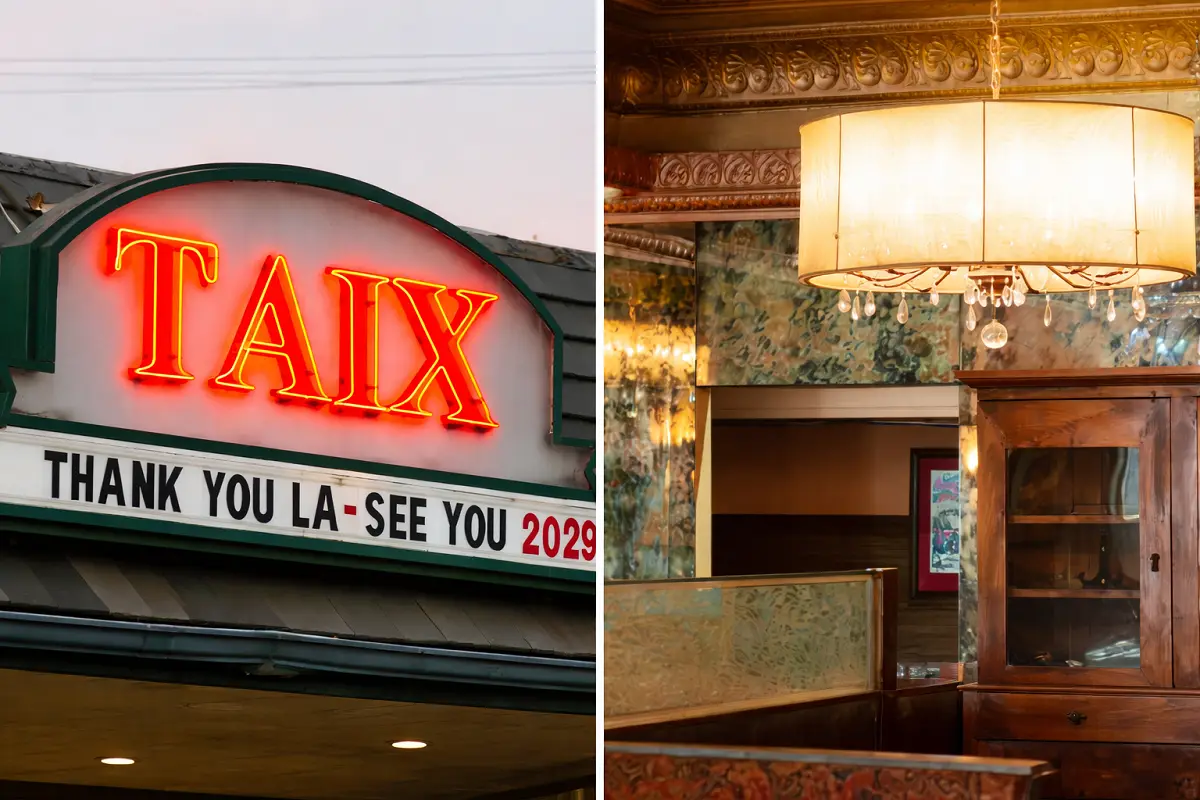
Historic Taix French Restaurant in Los Angeles Faces Uncertain Future Amid Preservation Efforts
A long-standing French restaurant in Los Angeles, Taix, is facing an uncertain future in 2026 as debates intensify between developers and preservationists over the fate of the historic property in the Echo Park neighborhood, raising concerns about the preservation of the city’s culinary heritage.
The restaurant, which has served generations of diners and is widely regarded as a cultural landmark, is at the center of redevelopment plans that could significantly alter the site. While property owners are exploring new development opportunities, community members and historians are advocating for the protection of the restaurant’s legacy and architectural significance.
A Legacy Rooted in Los Angeles History
Taix French Restaurant has been a fixture in Los Angeles for decades, known for its traditional French cuisine and classic dining atmosphere. Established as a family-run business, it has built a loyal customer base and become a symbol of old-school dining in the city.
The restaurant’s interior, menu, and service style reflect a bygone era, offering a unique experience that distinguishes it from modern dining establishments. Over the years, it has hosted a diverse clientele, including local residents, celebrities, and visitors seeking an authentic and nostalgic dining experience.
Its historical significance extends beyond food, representing a piece of Los Angeles’ cultural and immigrant heritage.
Redevelopment Plans Spark Debate
The property housing the restaurant has become the focus of redevelopment interest, with proposals that could transform the site into a mixed-use project. Developers argue that such plans are necessary to meet evolving urban needs, including housing and commercial space.
However, these proposals have raised concerns about the potential loss of a historic establishment that holds deep cultural value for the community. Preservationists are calling for measures to protect the building and ensure that the restaurant’s legacy is maintained.
The situation reflects a broader challenge faced by cities balancing development with heritage conservation.
Community and Preservation Efforts
Local residents, historians, and advocacy groups have mobilized to support the preservation of Taix, emphasizing its importance as a cultural and historical landmark. Efforts include petitions, public campaigns, and engagement with local authorities to seek protective status for the site.
Supporters argue that preserving such establishments is essential to maintaining the character and identity of neighborhoods like Echo Park. They highlight the role of historic restaurants in fostering community connections and preserving collective memory.
The movement underscores the growing awareness of the need to protect cultural assets in rapidly changing urban environments.
Economic and Operational Challenges
Like many long-standing restaurants, Taix faces operational challenges, including rising costs, changing consumer preferences, and competition from newer dining concepts. These factors have contributed to the complexity of decisions surrounding its future.
Maintaining a historic property can also involve significant expenses, from upkeep and renovations to compliance with modern regulations. For operators, balancing these costs with profitability is an ongoing challenge.
The potential redevelopment of the site is partly driven by these economic considerations.
Impact on Los Angeles Dining Culture
The possible closure or transformation of Taix would mark a significant loss for Los Angeles’ dining culture. Historic restaurants play a vital role in shaping the city’s culinary identity, offering continuity and a sense of place amid constant change.
The disappearance of such establishments can lead to a homogenization of the dining landscape, reducing diversity and erasing unique cultural narratives. For many patrons, Taix represents more than just a restaurant—it is a living piece of history.
The outcome of this case could influence how similar situations are handled in the future.
Balancing Development and Heritage
The debate surrounding Taix highlights the broader tension between urban development and heritage preservation. As cities grow and evolve, the demand for new infrastructure often conflicts with the desire to retain historical landmarks.
Urban planners and policymakers are increasingly tasked with finding solutions that balance these competing priorities. Adaptive reuse, partial preservation, and heritage integration are among the strategies being considered in such cases.
The resolution of the Taix situation may set a precedent for future development decisions in Los Angeles.
Role of Policy and Local Authorities
Local authorities play a critical role in determining the future of historic sites. Designation as a cultural or historical landmark can provide legal protection, limiting the extent of redevelopment and ensuring preservation.
In the case of Taix, discussions are ongoing regarding potential protections and the feasibility of integrating the restaurant into new development plans. Stakeholders are engaging with city officials to explore options that balance economic and cultural considerations.
Policy decisions will ultimately shape the outcome of the situation.
Industry Perspective
The situation has drawn attention from the broader hospitality industry, where similar challenges are being faced globally. Operators of historic restaurants often struggle to adapt to modern market conditions while preserving their legacy.
Industry experts note that maintaining relevance requires innovation without compromising identity. For historic establishments, this balance is particularly delicate, as changes must be carefully managed to retain authenticity.
The case of Taix serves as a reminder of the complexities involved in sustaining heritage businesses.
Future Outlook
The future of Taix French Restaurant remains uncertain as discussions continue among developers, preservationists, and local authorities. Possible outcomes range from full redevelopment to partial preservation or relocation.
The final decision will depend on negotiations, regulatory considerations, and community input. Regardless of the outcome, the situation has already sparked important conversations about the value of preserving culinary heritage in urban environments.
The coming months are expected to be critical in determining the restaurant’s fate.
Conclusion
As Los Angeles grapples with balancing growth and preservation, the fate of Taix French Restaurant remains undecided, reflecting broader challenges in protecting historic dining institutions while accommodating modern urban development.