Instant Dashi for Sauces: The Restaurant Secret Ingredient
Instant dashi for sauces is the umami rich secret restaurant chefs use to upgrade pasta sauces, marinades, and glazes with almost no extra effort.
 RUKAIYA KADIWAL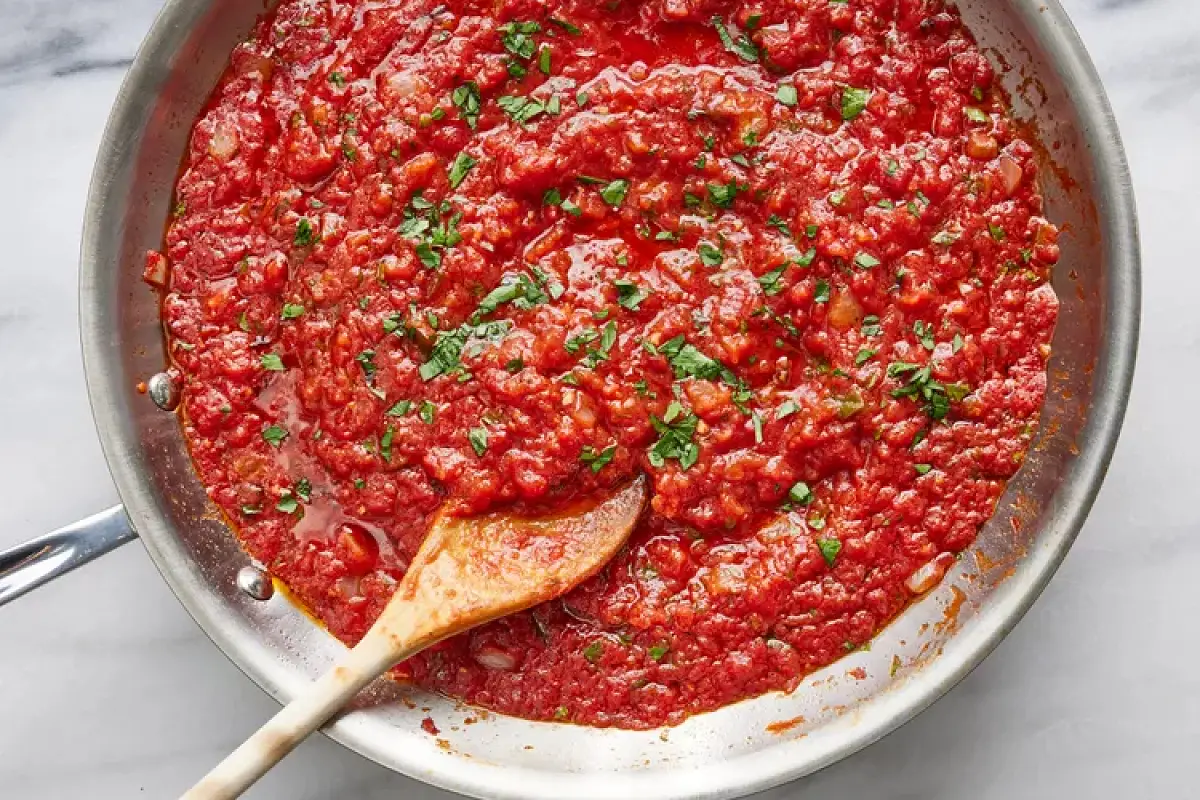
Instant dashi for sauces started as an accident of geography for cook and writer Keaton Larson, working the line at a restaurant that fused Japanese and Italian cuisine. Pasta and pizza sauces there did not follow the usual tomato and garlic script. They carried an ingredient more familiar from miso soup than marinara, and it changed how Larson has approached sauce making ever since.
Larson spent years working as both a server and a cook, chasing flavors that had somehow eluded them despite years in professional kitchens, ingredients like shiso, truffle oil, and the hot sauce Valentina. Dashi turned out to be different. It was not an obscure discovery but a staple hiding in plain sight, waiting to be added to sauces that had nothing to do with Japanese cuisine at all.
What Instant Dashi for Sauces Actually Is
Dashi is a Japanese soup stock traditionally made by soaking dried bonito flakes and seaweed in water, forming the backbone of countless recipes from miso soup to traditional noodle dishes. Instant dashi offers a shortcut version of the same flavor, sold as powdery granules that dissolve into stock when mixed with water. It is widely available at Japanese grocery stores and most Asian markets, with Hondashi by Ajinomoto standing out as the most common brand.
What makes instant dashi for sauces work is its concentrated umami character. The granules do not taste like seaweed or dried fish once dissolved. Instead, they deliver a pure, intensely savory quality that can boost flavor across a wide range of dishes far beyond soup.
Why Chefs Are Using Dashi Beyond Broths
Larson describes reaching for instant dashi not just in soups but directly in pasta sauces, dipping sauces, glazes, and marinades for poultry and meat. A spoonful in honey ponzu sauce or a creamy risotto adds depth that a home cook might otherwise spend hours trying to build through reduction alone.
Chef John, who recently developed a butter chicken recipe using instant dashi, put the appeal simply. "How is it possible that it's going to be good as a sauce for chicken? Well, somehow it is," he said, explaining that what it actually contributes is pure umami rather than any trace of fish or seaweed. His comment captures why this ingredient keeps surprising cooks who expect a narrower, more specifically Japanese flavor than what dashi actually delivers.
How Instant Dashi for Sauces Fits Into a Home Kitchen
The recommended approach favors restraint. A small spoonful stirred into a sauce, tasted, and adjusted from there tends to work better than guessing at a larger quantity upfront. That caution matters because dashi's concentrated umami can easily overwhelm a dish if added too heavily, tipping a sauce from balanced to overpowering.
Recipes like Dashi Butter Chicken, a pan sauce built around chicken breast and endive salad, show how far the ingredient can travel from its origins. Pasta bakes, braising liquids, and dipping sauces for wings and chips all offer natural entry points for cooks curious enough to experiment beyond dashi's traditional role in miso soup and zaru soba.
What This Ingredient Reveals About Restaurant Technique
Professional kitchens have long relied on cross cultural technique to build flavor, borrowing ingredients across cuisines in ways that rarely make it into home cooking until a chef or writer explains the logic clearly. Instant dashi for sauces fits that pattern precisely, moving from a specialty Japanese ingredient into a broadly useful pantry staple once its umami function becomes clear rather than its cultural label alone.
That kind of ingredient crossover often defines what separates restaurant quality cooking from home cooking, not complicated technique but a willingness to borrow flavor building blocks from unexpected places. A dashi granule dissolved into a marinara sauce is a small gesture, yet it reflects the same instinct that drives fusion menus in professional kitchens nationwide.
A Broader Story About What Keeps Diners Coming Back
Small, well executed details like a hidden umami boost often explain why certain restaurants earn lasting loyalty from regulars who cannot quite articulate what makes a dish taste better than expected. That same emotional attachment to specific flavors and places runs through restaurant culture more broadly, visible even in coverage of the 15 most missed Italian restaurants in the Triangle, where readers remembered specific dishes and sauces long after the restaurants themselves had closed.
Whether a sauce recipe survives in a home kitchen or only in memory after a favorite restaurant shuts its doors, the details that make food memorable are rarely flashy. They are small, deliberate choices, like a spoonful of instant dashi stirred into a pot of marinara, that quietly separate a good meal from one worth remembering.
Why This Small Ingredient Matters
Instant dashi for sauces will not appear on many restaurant menus by name, yet its influence likely touches more dishes than diners realize. The ingredient's journey from Japanese pantry staple to fusion kitchen secret to home cooking trick reflects how flavor knowledge moves quietly between cuisines, chefs, and kitchens long before it reaches a wider audience.
For home cooks willing to try a spoonful in their next batch of marinara or chicken marinade, the payoff is not a dramatic transformation but a subtle, unmistakable improvement, the kind that makes a familiar sauce taste like it came from somewhere else entirely.
Learn more at Allrecipes' official website.