Layne’s Chicken Fingers Sets Ambitious Goal to Reach 4,000 Locations Worldwide
Layne’s Chicken Fingers has announced an ambitious plan to expand to 4,000 locations worldwide, signaling rapid growth for the fast-casual chicken brand through franchising and strategic market expansion.
 Prajakta Sanjay Warwadkar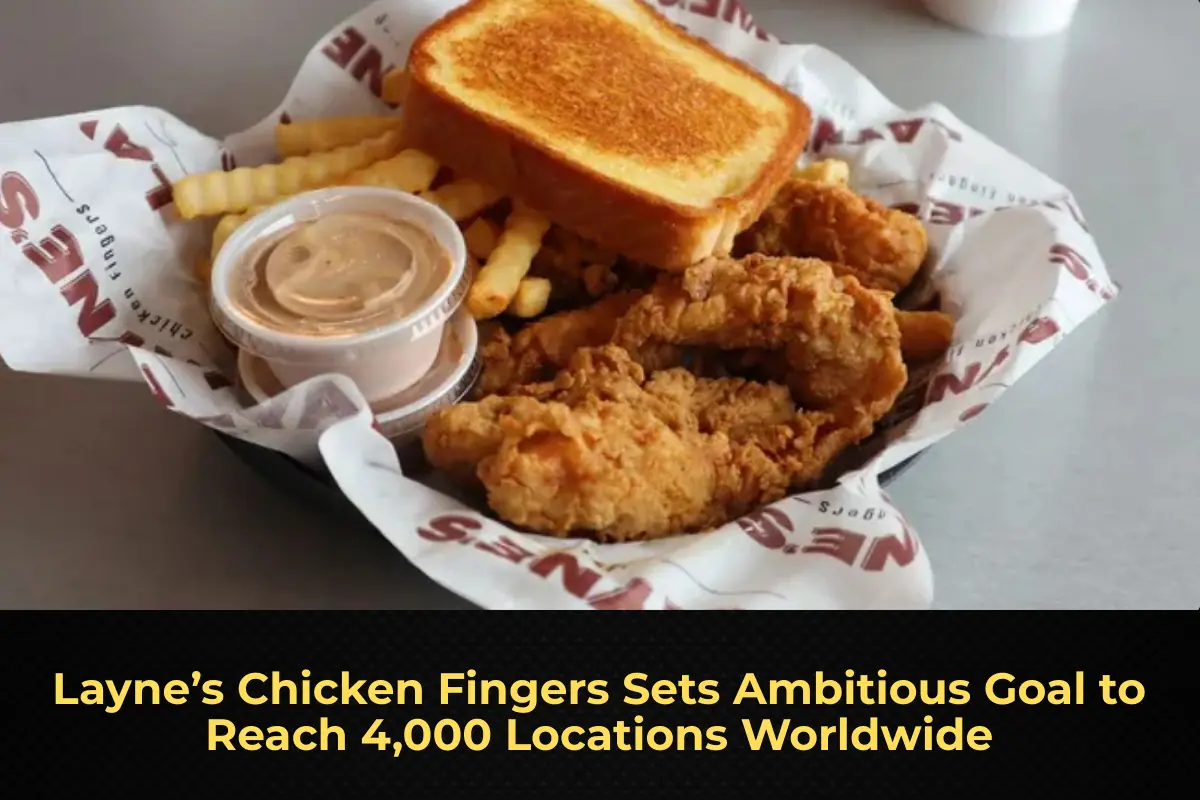
Layne’s Chicken Fingers Targets Major Global Expansion
Fast-growing chicken chain Layne’s Chicken Fingers has announced an ambitious long-term goal of reaching 4,000 locations worldwide, highlighting the brand’s confidence in the continued growth of the fast-casual restaurant segment. The company is pursuing this expansion through a combination of franchising partnerships and strategic market development.
Originally founded in Texas, Layne’s Chicken Fingers has steadily built a loyal following with its simple menu focused on chicken tenders, sandwiches, fries, and signature sauces. The brand’s straightforward concept and strong customer demand have positioned it for accelerated growth in the competitive quick-service restaurant sector.
With a clear expansion roadmap, the company is now aiming to transform itself from a regional favorite into a globally recognized chicken restaurant brand.
Franchising at the Core of Growth Strategy
Franchising is expected to play a central role in Layne’s Chicken Fingers’ expansion plan. The restaurant brand has increasingly relied on experienced franchise partners to enter new markets while maintaining consistent brand standards and operational efficiency.
Franchise-led expansion allows restaurant brands to scale quickly without the significant capital investment required for company-owned outlets. By partnering with local operators who understand regional markets, brands can also adapt more effectively to consumer preferences and market dynamics.
Layne’s leadership believes this approach will help the company accelerate its path toward the 4,000-location target.
Growing Interest from Franchise Operators
The fast-casual chicken segment has seen rising interest from franchise investors in recent years. Brands that offer focused menus, efficient operations, and strong brand identities often attract franchise partners seeking scalable business models.
Layne’s Chicken Fingers’ simplified menu structure and streamlined kitchen operations make it well suited for franchised growth. These characteristics can help operators maintain consistency across locations while managing costs effectively.
This franchise-friendly model has contributed to the brand’s ability to secure new development agreements in multiple markets.
The Rising Popularity of Chicken Concepts
Chicken-focused restaurant brands have experienced significant growth in the global quick-service and fast-casual dining sectors. Consumers increasingly view chicken as a versatile protein option that can be prepared in a variety of flavors and formats.
This growing demand has created opportunities for restaurant chains specializing in chicken tenders, sandwiches, wings, and grilled items.
Layne’s Chicken Fingers has positioned itself within this trend by focusing on high-quality chicken tenders paired with a limited but carefully curated menu.
Simplicity as a Competitive Advantage
One of the defining characteristics of Layne’s concept is its simplicity. Unlike many restaurant brands that offer extensive menus, Layne’s focuses on a smaller selection of core items.
This streamlined approach allows kitchens to operate efficiently while ensuring consistent product quality. It also simplifies training for staff and reduces complexity in supply chains.
For fast-growing restaurant brands, operational simplicity can be a major advantage when scaling across hundreds or thousands of locations.
Expanding Beyond Regional Roots
While Layne’s Chicken Fingers built its reputation in Texas, the company has increasingly expanded into new regions across the United States. As the brand grows, it is also exploring opportunities for international development.
Expanding beyond its original markets requires careful planning to ensure that new locations maintain the brand’s identity and customer experience.
Restaurant brands often rely on strong franchise partnerships and well-established operational systems when entering unfamiliar markets.
Maintaining Brand Consistency
Rapid expansion can present challenges for restaurant brands, particularly when maintaining consistency in food quality, service standards, and brand experience.
To address these challenges, companies typically invest in training programs, supply chain partnerships, and standardized operating procedures.
By establishing clear systems and processes, restaurant brands can ensure that customers receive a similar experience regardless of location.
The Competitive Chicken Restaurant Market
The chicken restaurant category has become one of the most competitive segments in the global foodservice industry. Numerous chains are expanding rapidly as consumer demand for chicken-based menu items continues to rise.
In this environment, brands must differentiate themselves through product quality, branding, and customer experience.
Layne’s Chicken Fingers emphasizes fresh preparation, signature sauces, and a strong brand identity as key elements that set it apart in the crowded market.
Building Customer Loyalty
Customer loyalty is a crucial factor in the long-term success of restaurant chains. Brands that create strong emotional connections with customers often experience higher repeat visitation and sustained growth.
Layne’s has cultivated a dedicated customer base by focusing on consistent food quality and a recognizable brand personality.
This loyalty can be a powerful driver of growth as the company enters new markets.
Opportunities in International Markets
Many restaurant brands with strong domestic performance eventually explore opportunities in international markets. Global expansion allows companies to reach new audiences and diversify revenue streams.
International growth often involves partnerships with regional franchise groups that understand local consumer behavior and regulatory environments.
Layne’s long-term vision of reaching 4,000 locations suggests that international markets may play a significant role in achieving that goal.
Adapting to Local Preferences
When entering international markets, restaurant brands frequently adapt menu offerings to suit local tastes and cultural preferences. While core items remain central to the brand identity, subtle adjustments can help attract new customers.
These adaptations may include regionally inspired flavors, alternative ingredients, or locally sourced products.
Balancing global brand consistency with local customization is often key to successful international expansion.
The Road Ahead
Layne’s Chicken Fingers’ goal of reaching 4,000 locations represents a bold vision for the future of the brand. Achieving such growth will require sustained franchise development, strong operational systems, and continued consumer demand for its signature chicken offerings.
As the fast-casual dining segment continues to evolve, restaurant brands that combine focused menus with scalable business models are well positioned for expansion.
Layne’s leadership remains confident that the brand’s simple concept, loyal customer base, and franchise partnerships will support its journey toward becoming a major global chicken restaurant chain.