Le Diplomate Named Home to America’s Best Free Restaurant Bread in Major Atlantic Feature
Le Diplomate in Washington, D.C., has been identified as serving the best free restaurant bread in America, according to a detailed Atlantic report highlighting its cranberry-walnut loaf.
 Prajakta Sanjay Warwadkar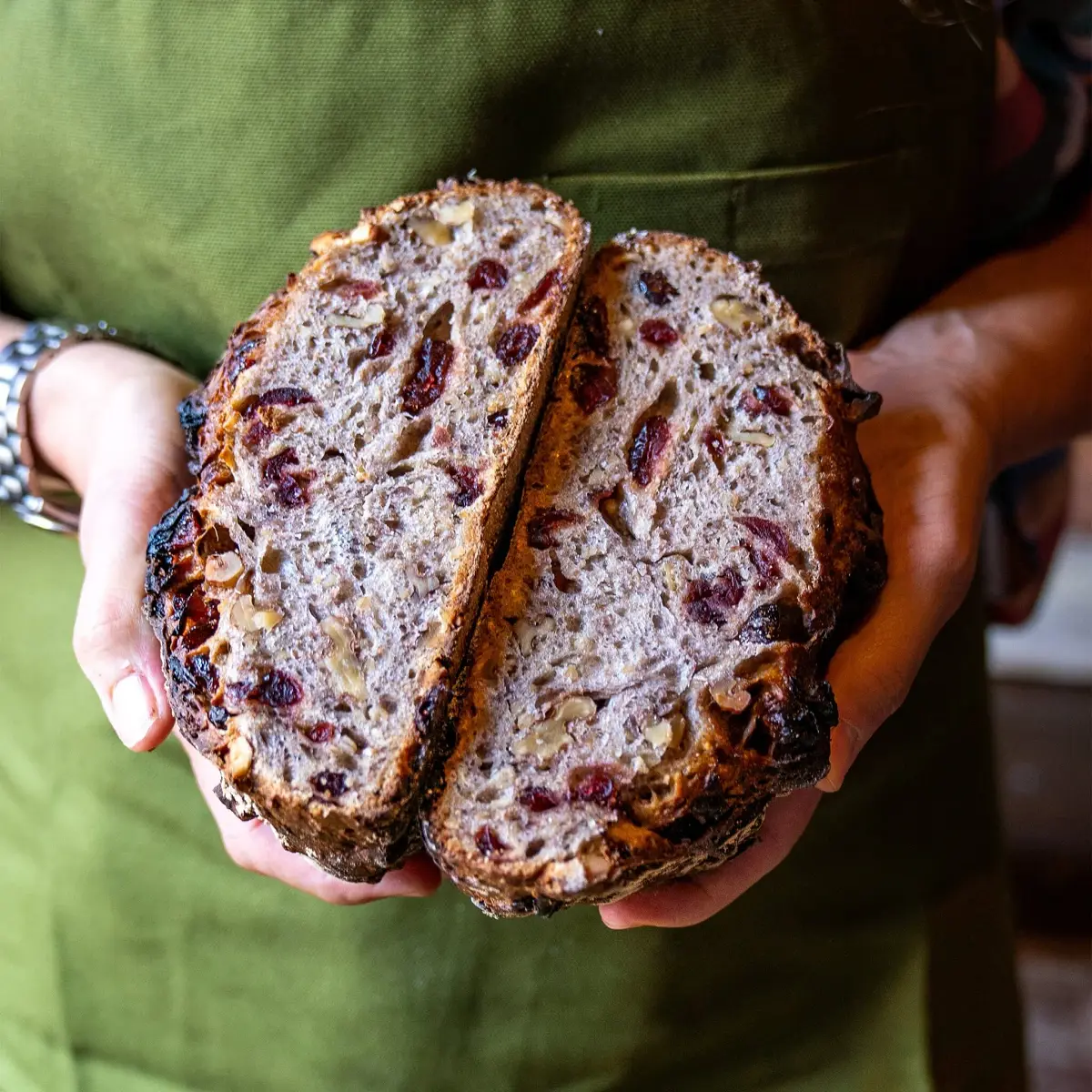
A comprehensive feature published in The Atlantic has identified Le Diplomate, a Washington, D.C.-based restaurant, as serving what it describes as the best complimentary restaurant bread in the United States. The finding is based on an extensive investigation that evaluated bread offerings across multiple establishments nationwide.
The report, authored by journalist Caity Weaver, examined the role of complimentary bread service in American dining through a large-scale review process that included a 555-person straw poll, expert commentary, and visits to restaurants across diverse regions. The final conclusion highlighted Le Diplomate’s cranberry-walnut loaf as the top example of quality, consistency, and overall dining impact.
Extensive Review Process Identifies Top Performer
The Atlantic’s feature spans approximately 10,000 words and documents a detailed exploration of bread service as a component of restaurant hospitality. The evaluation considered both sensory qualities and broader dining context, including presentation, ingredient balance, and guest perception.
According to the report, Le Diplomate’s bread stood out for its composition, combining dried cranberries, nuts, oats, and sourdough elements. The balance between sweetness and texture was cited as a defining factor, with the loaf described as both familiar and distinctive within the broader category of complimentary offerings.
The bread is also served at Parc, a related restaurant in Philadelphia operated under the same ownership, indicating consistency in product execution across locations.
Operational Perspective on Complimentary Bread
Stephen Starr, the restaurateur behind Le Diplomate and Parc, provided insight into the strategic thinking behind offering high-quality bread at no cost. The decision to provide an elevated bread basket was intended to enhance guest experience and create a welcoming environment, even for customers making minimal purchases.
However, Starr acknowledged the financial implications of such a strategy, noting that the cost of producing and serving the bread is significant due to high consumption levels among diners. Despite these challenges, the restaurant has maintained the practice, positioning it as a core part of its hospitality model.
The approach reflects a broader industry tension between cost management and guest experience, particularly in casual and upscale dining segments where complimentary items can influence customer satisfaction and retention.
Impact on Customer Behavior and Spending
The feature also highlights how complimentary offerings can influence purchasing decisions. While the intent may be to provide added value, the presence of high-quality bread can shape the overall dining experience and contribute indirectly to higher spending.
In one documented visit, diners initially planned to minimize expenditure but ultimately increased their order after engaging with the menu and bread service. This suggests that complimentary items, when executed effectively, may enhance perceived value and encourage additional purchases.
The bread’s positioning as both a standalone highlight and a complement to other dishes reinforces its role within the restaurant’s broader revenue ecosystem.
Role of Bread Service in Dining Culture
The report situates bread service within a wider cultural and operational context, emphasizing its significance as an entry point to the dining experience. Complimentary bread has long been a standard offering in many American restaurants, but its quality and execution vary widely.
Le Diplomate’s recognition underscores a shift toward treating bread service as a differentiating factor rather than a routine addition. The emphasis on ingredient quality, preparation, and presentation aligns with evolving consumer expectations for consistency and craftsmanship across all elements of a meal.
The article also notes that many diners remain unaware of the relative quality differences in bread offerings, suggesting that recognition from media coverage could influence awareness and demand.
Industry Implications and Current Status
The designation of Le Diplomate’s bread as the best in the country may lead to increased attention on complimentary offerings across the restaurant sector. As operators evaluate ways to enhance guest experience without significantly increasing costs, bread service could emerge as a focal point for differentiation.
Despite concerns about cost pressures, the continued popularity of such offerings indicates their potential value in building customer loyalty and brand identity. The Atlantic’s feature has brought renewed focus to this aspect of dining, highlighting both its operational challenges and its impact on customer perception.
Le Diplomate continues to operate its existing model, maintaining its bread service as part of the overall dining experience. The long-term impact of the recognition on customer traffic and operational strategy remains to be seen, but the report has positioned the restaurant at the center of a broader conversation حول hospitality practices in the U.S. dining industry.