Local Restaurants Prepare for 2026 Cheyenne Restaurant Week to Boost Dining Activity
Restaurants in Cheyenne are preparing for Restaurant Week 2026, aiming to attract diners, boost sales, and showcase local culinary offerings.
 Prajakta Sanjay Warwadkar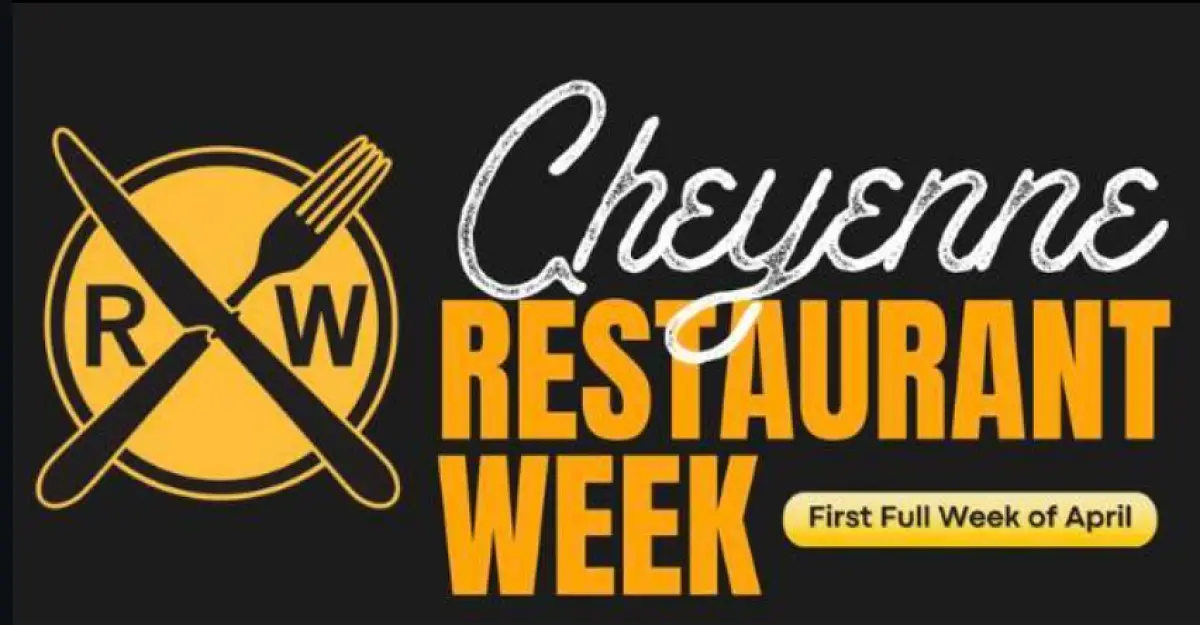
Local Restaurants Prepare for 2026 Cheyenne Restaurant Week to Boost Dining Activity
Restaurants in Cheyenne, Wyoming, are gearing up for the 2026 edition of Cheyenne Restaurant Week, an annual dining event designed to attract customers, promote local businesses, and stimulate economic activity across the city’s hospitality sector. Scheduled to take place in 2026, the event will feature participating restaurants offering special menus and pricing to encourage increased footfall and customer engagement.
The initiative brings together a wide range of dining establishments, from casual eateries to upscale restaurants, all aiming to showcase their culinary offerings to both residents and visitors. Organizers and business owners view the event as a strategic opportunity to boost sales during a competitive period while strengthening the city’s reputation as a regional dining destination.
Driving Customer Engagement Through Promotions
Restaurant Week events typically revolve around curated menus offered at fixed price points, making dining out more accessible and appealing to a broader audience. In Cheyenne, participating restaurants are preparing exclusive deals and specialty dishes to attract customers and differentiate themselves in a competitive market.
These promotions are designed to encourage diners to explore new venues and revisit familiar favorites. By lowering the barrier to entry, restaurants can introduce their offerings to first-time customers while increasing repeat visits from existing patrons.
Such initiatives have proven effective in generating short-term revenue while building long-term customer relationships.
Economic Impact on Local Businesses
Cheyenne Restaurant Week is expected to have a positive impact on the local economy, benefiting not only restaurants but also suppliers, service providers, and related industries. Increased dining activity can lead to higher demand for ingredients, staffing, and logistics support.
For small and independent restaurants, the event provides a valuable platform to gain visibility and compete with larger establishments. The collective promotion of the city’s dining scene helps create a unified marketing effort that benefits all participants.
Local authorities and business groups often support such initiatives as part of broader efforts to stimulate economic growth and tourism.
Showcasing Culinary Diversity
The event highlights the diversity of Cheyenne’s food landscape, offering diners a chance to experience a variety of cuisines and dining styles. From traditional American fare to international dishes, the participating restaurants reflect the evolving tastes of the community.
This diversity plays a key role in attracting a wide audience, including food enthusiasts and tourists seeking unique culinary experiences. By showcasing different cuisines, Restaurant Week helps position Cheyenne as a destination for dining exploration.
Restaurants are leveraging the event to experiment with menu items and introduce new concepts that may later become permanent offerings.
Strategic Preparation by Restaurants
In preparation for the event, restaurants are focusing on menu planning, staff training, and operational efficiency to handle increased demand. Ensuring consistent quality and service during peak periods is critical to making a positive impression on customers.
Many establishments are also investing in marketing efforts, including social media campaigns and local advertising, to maximize visibility ahead of the event. Effective promotion can significantly influence customer turnout and overall success.
Coordination between kitchen and front-of-house teams is essential to deliver a seamless dining experience during the busy period.
Role of Events in Strengthening Community Ties
Restaurant Week initiatives contribute to community engagement by bringing people together through shared dining experiences. They encourage residents to support local businesses and foster a sense of pride in the city’s culinary scene.
Such events often become annual traditions that strengthen relationships between businesses and customers. By participating, restaurants can build a loyal customer base that extends beyond the event period.
The communal aspect of dining plays a significant role in the success of these initiatives.
Challenges and Opportunities
While Restaurant Week presents opportunities for increased revenue, it also comes with challenges, including managing high volumes of customers and maintaining service standards. Restaurants must carefully balance promotional pricing with cost management to ensure profitability.
However, the potential benefits often outweigh the challenges, as the event provides exposure and marketing value that can lead to sustained business growth. Establishments that execute well are likely to see long-term gains in customer loyalty and brand recognition.
Adapting to customer feedback during and after the event can further enhance future performance.
Tourism and Destination Marketing
Cheyenne Restaurant Week also plays a role in promoting the city as a travel destination. Food-focused events attract visitors from surrounding areas, contributing to increased occupancy in hotels and higher spending in local businesses.
By aligning dining experiences with tourism strategies, the city can enhance its appeal and create a more vibrant economic environment. Collaborative efforts between restaurants and tourism boards are key to maximizing these benefits.
Events like these highlight the importance of food as a driver of tourism and cultural engagement.
Industry Trends Reflected in Local Events
The growing popularity of Restaurant Week initiatives reflects broader trends in the hospitality industry, where experiential dining and value-driven promotions are gaining traction. Consumers are increasingly seeking opportunities to explore new restaurants without committing to full-priced meals.
Cheyenne’s participation in this trend demonstrates the adaptability of local businesses in responding to changing consumer preferences. By embracing such initiatives, restaurants can remain competitive and relevant in a dynamic market.
The emphasis on experience and accessibility continues to shape the future of dining events.
Future Outlook
As Cheyenne Restaurant Week 2026 approaches, expectations remain high for strong participation and positive outcomes. Restaurants are optimistic about the potential to attract new customers and strengthen their market position.
The success of the event will depend on effective execution, collaboration among participants, and sustained customer interest. Continued innovation and engagement will be essential in maintaining the event’s relevance in the coming years.
Cheyenne Restaurant Week remains a key fixture in the city’s hospitality calendar, supporting growth and community connection through shared dining experiences.
Conclusion
Local restaurants in Cheyenne are preparing extensively for Restaurant Week 2026, aiming to leverage the event to drive customer engagement, boost revenues, and reinforce the city’s position as a growing dining destination.