London’s Best Cinemas with Restaurants Offering a Complete Movie and Dining Experience
Discover London’s top cinemas that combine exceptional film screenings with restaurant-quality dining, creating immersive movie experiences that blend entertainment, food, and hospitality.
 Prajakta Sanjay Warwadkar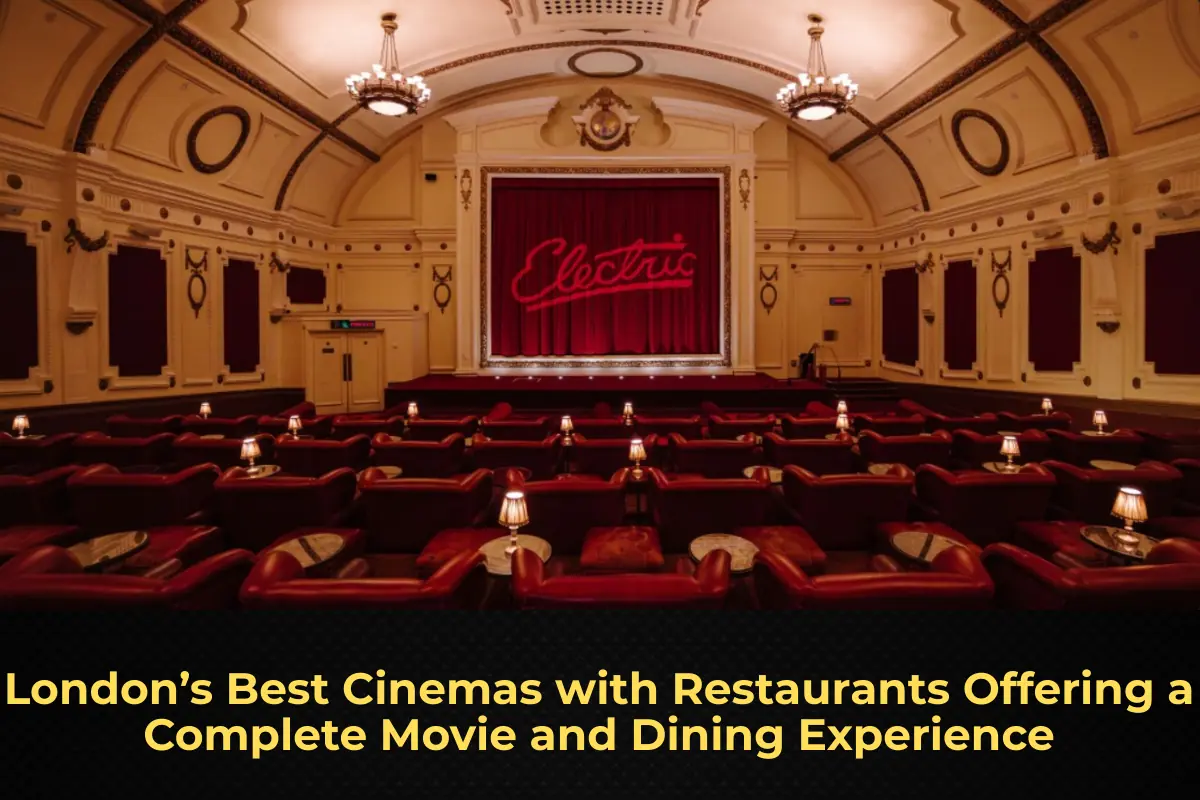
The Rise of Cinema Dining Experiences in London
London’s entertainment landscape has evolved significantly over the past decade, and one of the most notable developments is the growing popularity of cinemas that combine film screenings with high-quality dining experiences. Instead of simply purchasing popcorn and soft drinks before entering the theater, audiences can now enjoy full restaurant menus, curated cocktails, and sophisticated lounge environments while watching the latest releases. This fusion of hospitality and entertainment has created a new category of leisure experiences that appeal to modern audiences seeking something more immersive than a traditional movie outing.
The concept of cinema dining reflects broader trends in the hospitality industry. Consumers increasingly prefer experiences that combine multiple forms of entertainment in a single venue. Cinemas that incorporate restaurants, bars, and premium seating are responding to this demand by transforming movie-going into a social and culinary event.
In London, several cinemas have embraced this concept, offering unique dining environments where guests can enjoy gourmet food before, during, or after a film. These venues represent the intersection of hospitality, culture, and entertainment, redefining how audiences experience cinema.
A New Approach to Moviegoing
Traditional cinemas have long focused primarily on film screenings, with limited food options typically consisting of snacks or concession stand items. While this format remains common, many venues have begun experimenting with new ways to elevate the customer experience.
Luxury seating, in-theater dining service, and full-service restaurants are becoming increasingly popular features. These additions allow cinemas to differentiate themselves in a competitive entertainment market while also attracting audiences looking for a more memorable outing.
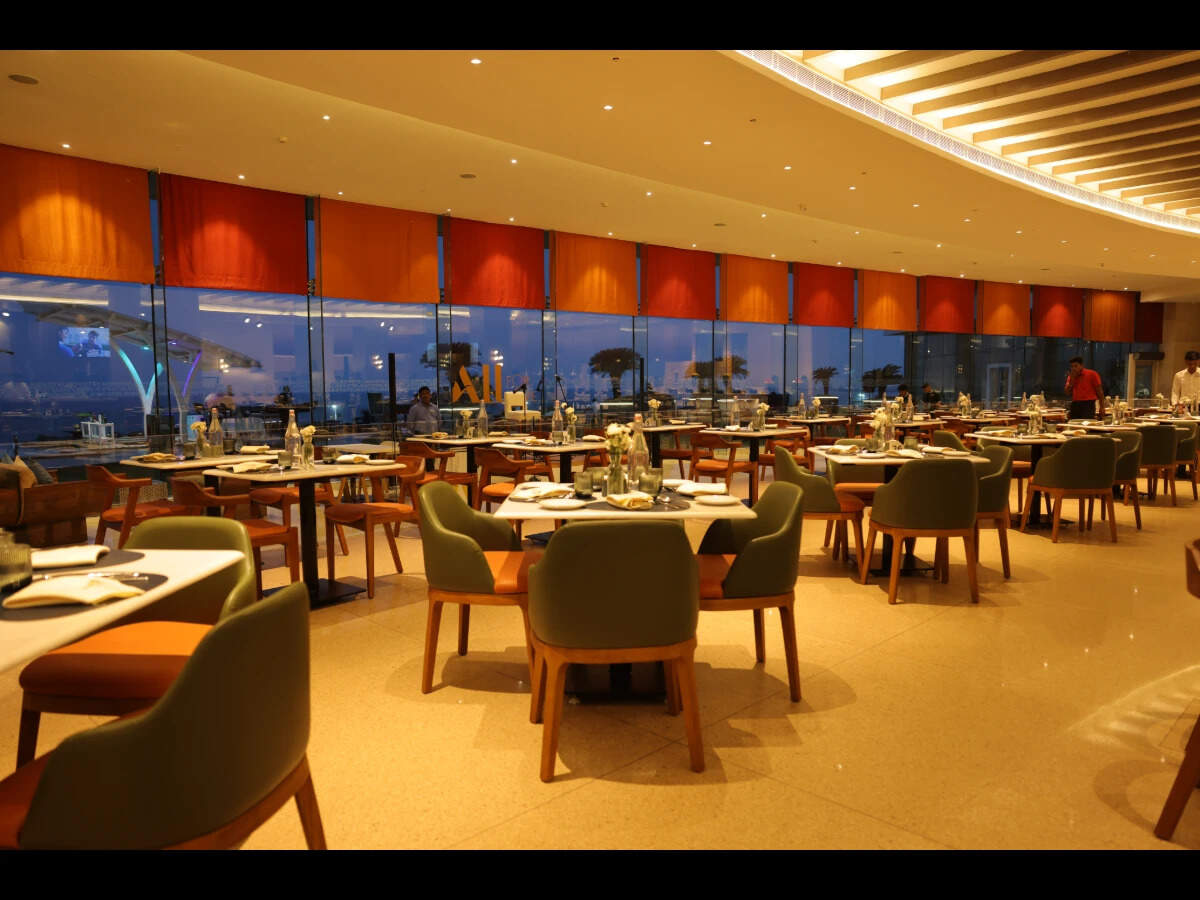
London’s cinema dining venues often feature carefully designed interiors that reflect both cinematic nostalgia and modern hospitality aesthetics. Plush seating, intimate lighting, and thoughtfully curated menus create an atmosphere that feels closer to a restaurant or cocktail lounge than a conventional theater.
The Appeal of Dining Before or During a Film
For many moviegoers, combining dining with a film enhances the overall experience. Instead of rushing through a quick meal before a screening or searching for a restaurant afterward, guests can enjoy both activities in the same location.
This convenience has proven particularly attractive for date nights, social gatherings, and special occasions. Cinemas with restaurants allow guests to transition seamlessly from dinner to entertainment, creating a more relaxed and enjoyable evening.
Many venues offer flexible dining options. Some provide table service inside the screening rooms, allowing guests to order dishes while watching the film. Others feature adjacent restaurants or bars where visitors can dine before the show begins.
Elevated Menus Beyond Traditional Snacks
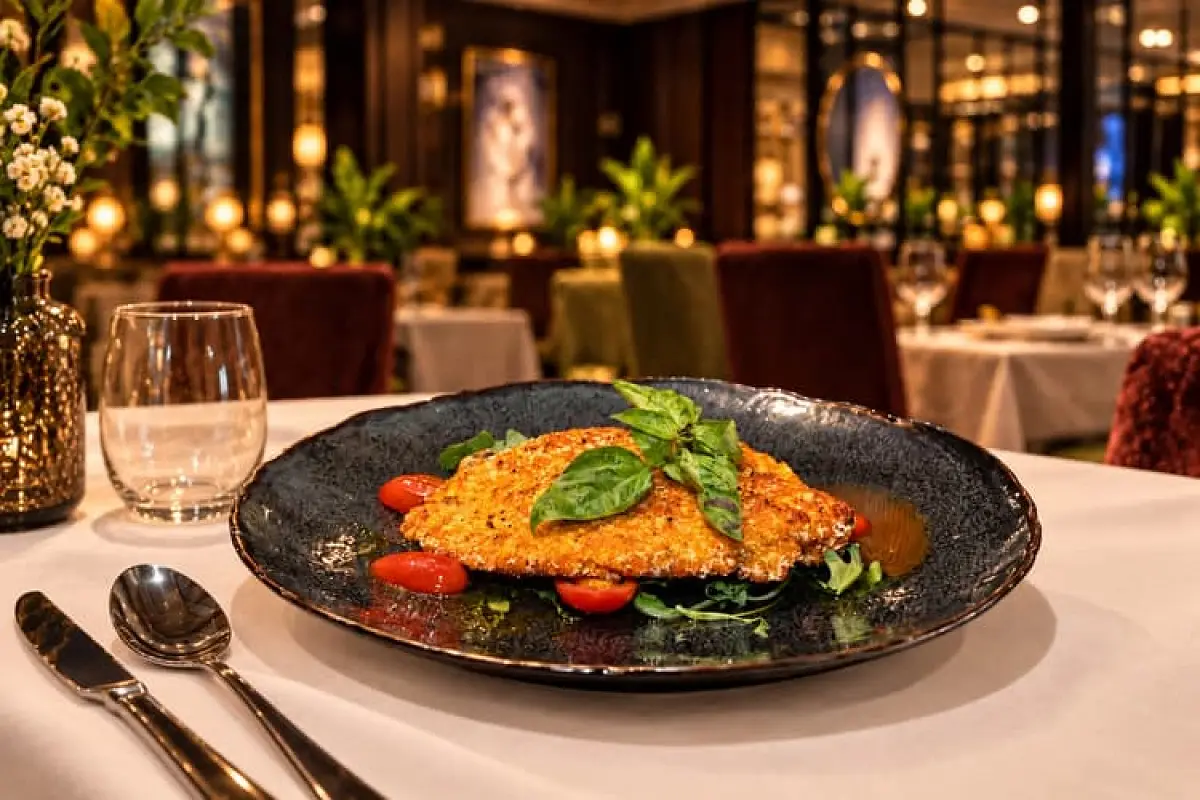
One of the defining characteristics of cinema dining venues is the quality and variety of their menus. Instead of relying solely on traditional concessions, these cinemas collaborate with chefs and hospitality professionals to develop dishes that rival those found in standalone restaurants.
Menus may include gourmet burgers, artisanal pizzas, seasonal salads, sharing plates, and carefully crafted desserts. Beverage programs often feature specialty cocktails, premium wines, and craft beers designed to complement the dining experience.
This culinary upgrade reflects the expectations of modern consumers, who increasingly view food and drink as essential components of leisure activities.
Creating Immersive Entertainment Spaces
Cinemas that incorporate restaurants are not simply adding food service to their existing operations. Instead, they are reimagining the entire entertainment environment to create immersive spaces where guests feel comfortable spending extended periods of time.
Lounge areas, cocktail bars, and stylish dining rooms encourage guests to arrive early and stay longer. This approach transforms the cinema from a place where audiences briefly watch a film into a social destination where people gather to relax, eat, and connect.
Design also plays a significant role in shaping the experience. Many cinema dining venues incorporate elements inspired by classic movie theaters, such as vintage posters and theatrical lighting, while blending them with contemporary interior design.
The Role of Hospitality in Cinema Experiences
Hospitality professionals are increasingly involved in shaping cinema dining experiences. Chefs, bartenders, and service teams bring the expertise required to deliver restaurant-quality meals within an entertainment environment.
Staff training focuses not only on food preparation but also on delivering attentive service without disrupting the film viewing experience. In theaters that offer in-seat dining, servers must move quietly and efficiently to ensure that guests remain immersed in the movie.
This level of service requires careful coordination between kitchen staff, front-of-house teams, and cinema management. The result is a seamless experience that blends hospitality with entertainment.
The Influence of Experiential Hospitality Trends
The growth of cinema dining venues reflects a broader shift toward experiential hospitality. Consumers increasingly seek activities that combine multiple forms of enjoyment, such as dining, entertainment, and social interaction.
Restaurants have responded to this trend by incorporating live music, themed events, and interactive dining experiences. Cinemas, meanwhile, are integrating food and beverage programs that enhance the traditional moviegoing format.
This convergence of hospitality and entertainment demonstrates how industries can collaborate to create innovative experiences. By merging culinary creativity with cinematic storytelling, these venues offer something unique that cannot easily be replicated at home.
Attracting a Diverse Audience
Cinema dining venues appeal to a wide range of audiences. Couples looking for romantic date nights appreciate the intimate atmosphere created by comfortable seating and candlelit tables. Groups of friends enjoy the social aspect of sharing meals while watching a film together.
Tourists visiting London also find these venues appealing because they provide an opportunity to experience the city’s vibrant hospitality culture in a relaxed setting. By combining dining and entertainment, cinema restaurants offer visitors a memorable activity that differs from traditional sightseeing experiences.
Families can also benefit from the concept, particularly when cinemas offer menus designed to accommodate different tastes and dietary preferences.
Adapting to Modern Consumer Expectations
Modern audiences expect convenience, comfort, and high-quality experiences when choosing entertainment options. The success of streaming services has challenged traditional cinemas to offer something that cannot be replicated at home.
Cinema dining venues address this challenge by creating an atmosphere that goes beyond watching a film. The combination of gourmet food, premium seating, and social interaction encourages audiences to leave their homes and enjoy a shared experience with others.
This approach has proven particularly effective in urban environments like London, where residents and visitors alike value unique entertainment options.
The Business Perspective for Cinemas
From a business standpoint, integrating restaurants into cinema operations can provide several advantages. Food and beverage sales often represent a significant source of revenue for entertainment venues. By offering restaurant-quality menus, cinemas can increase average spending per guest.
Additionally, dining experiences encourage guests to spend more time on the premises. Customers who arrive early for dinner or remain afterward for drinks contribute to higher overall revenue.
This model also helps cinemas compete with other entertainment options, such as theaters, live performances, and immersive attractions.
The Future of Cinema Dining in London
As hospitality and entertainment industries continue to evolve, cinema dining experiences are expected to grow in popularity. London’s dynamic restaurant scene provides an ideal environment for experimentation, allowing cinemas to collaborate with chefs and culinary innovators.
Future developments may include themed dining experiences linked to film screenings, chef collaborations, and curated tasting menus designed to accompany specific movies. Such innovations could further strengthen the connection between storytelling and cuisine.
Technology may also play a role in shaping the next generation of cinema dining venues. Mobile ordering systems, interactive menus, and personalized recommendations could enhance convenience while maintaining high levels of service.
A Unique Fusion of Film and Food
The emergence of cinema restaurants highlights how entertainment experiences are evolving to meet changing consumer expectations. By blending high-quality dining with immersive film screenings, these venues offer guests an experience that extends far beyond a typical night at the movies.
London’s cinema dining destinations showcase the creativity and adaptability of the hospitality sector. They demonstrate that even traditional forms of entertainment can be reimagined through thoughtful design, culinary innovation, and a commitment to exceptional guest experiences.
As audiences continue to seek memorable ways to spend their leisure time, cinemas that embrace hospitality-driven concepts are likely to play an increasingly important role in the city’s cultural landscape.