Luxury Hotels and Restaurants Drive Global Travel Openings Surge in 2026
A wave of luxury hotel and restaurant openings in 2026 is reshaping global travel, with high-end hospitality brands expanding into key international destinations.
 Prajakta Sanjay Warwadkar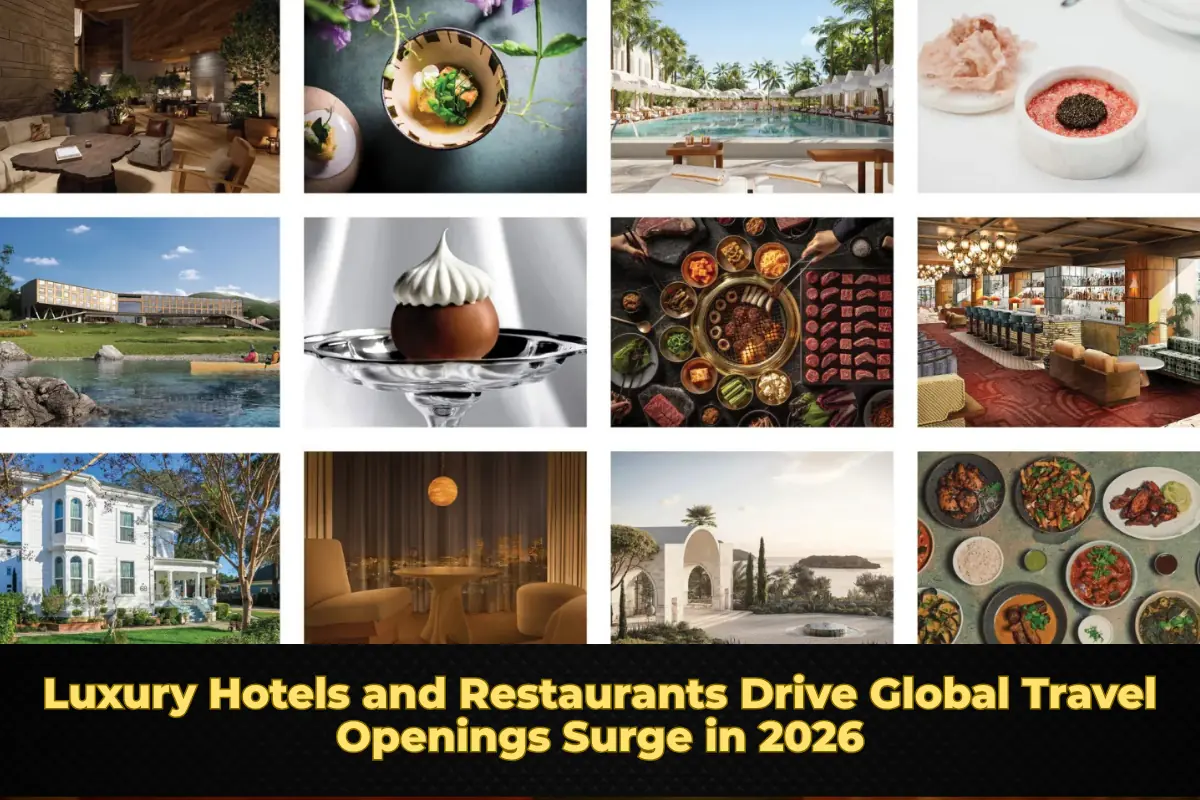
Luxury Hotels and Restaurants Drive Global Travel Openings Surge in 2026
A surge in luxury hotel and restaurant openings is reshaping the global travel landscape in 2026, as leading hospitality brands expand into key international destinations to meet rising demand for high-end experiences. The wave of openings spans major cities and emerging tourism hubs, reflecting strong growth in the premium travel segment and shifting consumer preferences toward experiential luxury.
Hospitality operators are investing heavily in new properties and dining concepts across regions including Europe, Asia, the Middle East, and North America. The expansion is driven by increasing global travel activity, higher disposable incomes among affluent consumers, and a growing appetite for curated, immersive experiences that combine accommodation, dining, and lifestyle offerings.
Expansion Across Key Global Destinations
Luxury hotel groups and restaurant brands are targeting strategic locations known for strong tourism flows and economic growth. Major cities such as Paris, Dubai, Singapore, and New York continue to attract significant investment, while emerging destinations are also gaining attention as travelers seek new and less crowded experiences.
Developers are focusing on prime urban centers as well as resort locations, aiming to capture both business and leisure travelers. These openings often include integrated concepts that combine hotels with fine dining restaurants, bars, wellness facilities, and retail experiences.
The expansion highlights the resilience of the luxury travel sector, even as the broader hospitality industry navigates cost pressures and evolving consumer behavior.
Rising Demand for Experiential Luxury
Consumers in the luxury segment are increasingly prioritizing experiences over traditional forms of travel. This has led to a shift in how hotels and restaurants are designed and operated, with a focus on personalization, storytelling, and cultural immersion.
New properties are incorporating unique architectural designs, locally inspired interiors, and curated dining experiences that reflect regional cuisines and traditions. Restaurants within these hotels are often positioned as standalone destinations, attracting both guests and local diners.
Industry analysts note that experiential luxury is becoming a key differentiator, with travelers seeking memorable and shareable moments that go beyond standard accommodation and dining.
Integration of Dining and Hospitality Concepts
The integration of high-end dining within luxury hotels has become a central feature of new developments. Many properties are partnering with renowned chefs and restaurant groups to create signature dining experiences that enhance their overall appeal.
This trend reflects the growing importance of food and beverage offerings in driving guest satisfaction and revenue. Fine dining restaurants, rooftop bars, and themed culinary experiences are increasingly being used to position hotels as lifestyle destinations.
In addition, standalone restaurant openings are aligning with luxury travel trends, offering premium concepts in key tourist and business districts. These establishments often emphasize quality ingredients, innovative menus, and elevated service standards.
Investment and Market Growth
The surge in openings is supported by strong investment activity in the hospitality sector. Developers, private equity firms, and international hotel chains are allocating significant capital to expand their portfolios and capture growth opportunities in the luxury segment.
Tourism recovery in many regions has further accelerated investment, with governments and industry stakeholders promoting infrastructure development and destination marketing. The combination of public and private investment is contributing to a robust pipeline of new projects.
Despite economic uncertainties, the luxury segment has shown resilience, with high-end travelers continuing to spend on premium experiences.
Challenges Facing the Industry
While the outlook for luxury hospitality remains positive, operators face several challenges, including rising construction and operational costs, labor shortages, and regulatory complexities in different markets. Maintaining profitability while delivering high-quality experiences is a key concern for industry players.
There is also increasing competition, as more brands enter the luxury segment and existing operators expand their offerings. Differentiation through design, service, and unique experiences is becoming essential to stand out in a crowded market.
Sustainability is another critical issue, with travelers and regulators placing greater emphasis on environmentally responsible practices. Many new developments are incorporating sustainable design and operations to align with these expectations.
Impact on Global Tourism
The wave of luxury hotel and restaurant openings is expected to have a significant impact on global tourism, attracting high-spending travelers and boosting local economies. These developments often create jobs, support supply chains, and contribute to the overall growth of the hospitality sector.
Destinations that successfully attract luxury investments can enhance their global profile and competitiveness, positioning themselves as premier travel hubs. The presence of high-end hotels and dining establishments also influences traveler perceptions and destination choice.
Tourism boards are increasingly collaborating with hospitality brands to promote destinations and create integrated travel experiences.
Changing Consumer Expectations
Luxury travelers are becoming more discerning, seeking authenticity, exclusivity, and seamless service. Technology is playing a growing role in meeting these expectations, with hotels adopting digital solutions for personalized services, reservations, and guest engagement.
At the same time, there is a renewed focus on human touch and service excellence, as guests value meaningful interactions and attention to detail. Balancing technology with personalized service is a key challenge for operators.
The evolving expectations are shaping how new hotels and restaurants are conceptualized and delivered, with an emphasis on flexibility and innovation.
Outlook for 2026 and Beyond
The momentum in luxury hotel and restaurant openings is expected to continue throughout 2026 and beyond, supported by strong demand and ongoing investment. Industry experts anticipate further expansion into new markets, particularly in Asia and the Middle East, where tourism growth remains robust.
Brands are likely to continue refining their offerings to align with changing consumer preferences, focusing on sustainability, wellness, and experiential travel. Partnerships with local communities and cultural institutions are also expected to play a greater role in shaping future developments.
The integration of hospitality, dining, and lifestyle experiences is set to define the next phase of growth in the luxury segment.
Conclusion
The surge in luxury hotel and restaurant openings in 2026 underscores the strength of the premium travel market, with global hospitality brands expanding strategically to capture demand and redefine high-end travel experiences.