Next‑Gen Franchise Leaders Modernize Family Businesses at Schlotzsky’s and Auntie Anne’s
Next‑generation franchise leaders are modernizing long‑standing family businesses at Schlotzsky’s and Auntie Anne’s by embracing innovation, technology, and evolving customer expectations.
 Prajakta Sanjay Warwadkar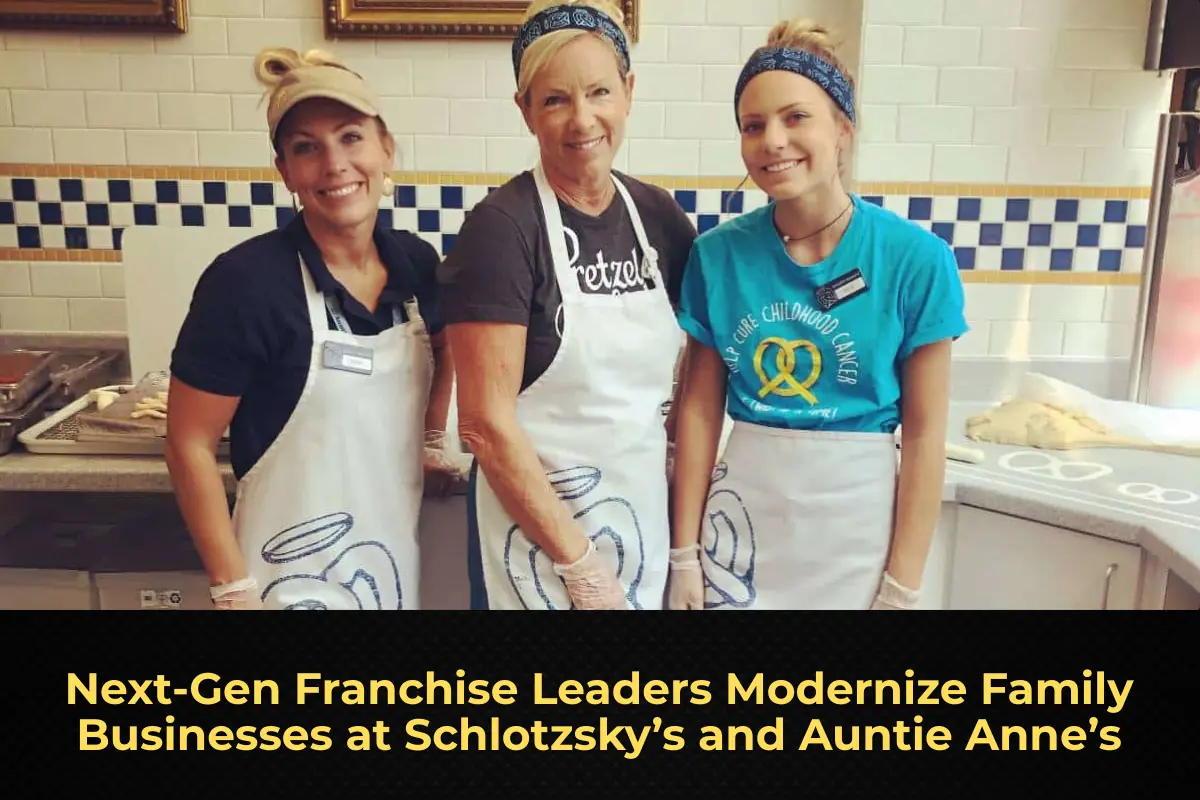
The Rise of Next‑Generation Franchise Leadership
The quick‑service restaurant industry is witnessing an important transition as a new generation of franchise leaders steps forward to guide family‑owned operations. At well‑known brands such as Schlotzsky’s and Auntie Anne’s, younger franchise operators are introducing modern business strategies while continuing the legacy built by earlier generations.
Family‑run franchise businesses have long been a cornerstone of the restaurant sector. Many successful locations across the United States were initially established by first‑generation entrepreneurs who invested years into building loyal customer bases and strong operational foundations.
Today, their successors are bringing new perspectives shaped by technology, changing consumer preferences, and evolving industry standards. This combination of tradition and innovation is helping ensure that family‑owned franchises remain competitive in an increasingly dynamic marketplace.
Continuing a Legacy While Embracing Change
For next‑generation franchise leaders, taking over a family business involves balancing respect for tradition with the need for modernization. Many of these operators grew up around the restaurant industry, learning the basics of operations, customer service, and management from an early age.
When they step into leadership roles, they often seek ways to improve efficiency, expand marketing efforts, and introduce new technologies that enhance both the employee and customer experience.
This approach helps maintain the core identity of established brands while ensuring that operations keep pace with modern business expectations.
Family Businesses in the QSR Landscape
Family‑owned franchise operations play a critical role within the quick‑service restaurant sector. Franchise systems allow entrepreneurs to operate businesses under established brand names while benefiting from shared resources, marketing support, and standardized processes.
For many families, these businesses represent decades of dedication and community engagement. Passing leadership to the next generation ensures continuity while allowing new ideas to shape future growth.
Brands like Schlotzsky’s and Auntie Anne’s provide examples of how franchise systems can support both long‑term stability and generational transitions.
Modernizing Operations Through Technology
One of the primary ways next‑generation franchise leaders are transforming family businesses is through technology adoption. Digital tools are increasingly essential in restaurant management, from online ordering systems to advanced analytics that help track customer behavior.
Younger operators often have greater familiarity with these tools and are eager to implement solutions that streamline operations and improve service speed.
For example, digital ordering platforms allow customers to place orders through mobile apps or websites, reducing wait times and increasing convenience. These systems also provide valuable data that can guide menu planning, staffing decisions, and marketing strategies.
Leveraging Data for Better Decisions
Access to real‑time data has become a powerful advantage for modern restaurant operators. By analyzing sales patterns, customer preferences, and operational metrics, franchise leaders can make more informed decisions about everything from inventory management to promotional campaigns.
Next‑generation leaders are particularly comfortable using data analytics to guide business strategies. This analytical approach helps improve efficiency while enhancing the overall guest experience.
Such tools allow family‑owned franchises to operate with the same level of sophistication as large corporate restaurant chains.
Evolving Marketing Strategies
Marketing is another area where younger franchise leaders are making a noticeable impact. Traditional advertising methods such as print and local promotions remain valuable, but digital marketing has become an essential component of modern restaurant branding.
Social media platforms, targeted digital ads, and online loyalty programs allow restaurants to engage directly with customers in ways that were not possible a decade ago.
Next‑generation franchise operators often prioritize these channels to reach younger audiences and strengthen relationships with local communities.
Building Stronger Community Connections
Despite technological advancements, community engagement remains central to the success of family‑run franchises. Many locations have built their reputations through consistent service and long‑standing relationships with local customers.
Younger franchise leaders recognize the importance of maintaining these connections while introducing modern engagement strategies.
Community events, partnerships with local organizations, and charitable initiatives continue to play a key role in reinforcing a restaurant’s presence within its neighborhood.
Enhancing Employee Experience
Another priority for next‑generation franchise operators is improving the employee experience. Restaurant work can be demanding, and attracting and retaining skilled team members has become increasingly important.
Younger leaders often emphasize workplace culture, career development opportunities, and improved communication within their teams.
Training programs, mentorship initiatives, and clear career pathways can help employees feel more invested in the organization’s success.
Leadership Styles for a New Era
Leadership styles are also evolving as younger franchise owners take the reins. Many emphasize collaborative management approaches that encourage feedback and open communication.
Employees who feel valued and supported are more likely to deliver high‑quality service to customers, which ultimately strengthens the brand’s reputation.
By fostering positive workplace environments, franchise leaders can build stronger teams capable of sustaining long‑term business success.
Balancing Innovation with Brand Standards
While innovation is important, franchise operators must also adhere to brand standards established by corporate headquarters. These guidelines ensure consistency across locations and help maintain customer trust.
Next‑generation leaders often work closely with franchisors to implement new ideas within the framework of existing brand policies.
This collaboration allows franchisees to introduce operational improvements while preserving the recognizable qualities that customers associate with well‑known brands.
The Strength of Established Brands
Operating under established franchise brands such as Schlotzsky’s and Auntie Anne’s offers several advantages. These brands benefit from widespread recognition, proven business models, and strong support systems.
For next‑generation franchise leaders, these resources provide a solid foundation for growth while allowing them to focus on operational excellence and customer satisfaction.
By combining established brand identity with innovative thinking, family‑owned franchises can continue thriving in competitive markets.
Looking Toward the Future
The emergence of next‑generation franchise leaders represents a significant moment for the restaurant industry. As family businesses transition from one generation to the next, the infusion of new ideas and modern strategies is helping shape the future of franchising.
At brands like Schlotzsky’s and Auntie Anne’s, younger operators are demonstrating that tradition and innovation can coexist successfully. By embracing technology, modern marketing techniques, and improved workplace practices, they are positioning their businesses for continued growth.
These leaders are not only preserving the legacy of their families’ entrepreneurial journeys but also ensuring that their restaurants remain relevant for a new generation of customers.
As the quick‑service sector continues to evolve, the influence of next‑generation franchise leadership will likely play an increasingly important role in defining the industry’s direction.