Nobu Hotel Warsaw Marks Five Years with Design-Led Hospitality Model
Nobu Hotel Warsaw completes five years, highlighting its design-led hospitality model combining Japanese minimalism and Art Deco in Poland’s capital.
 Prajakta Sanjay Warwadkar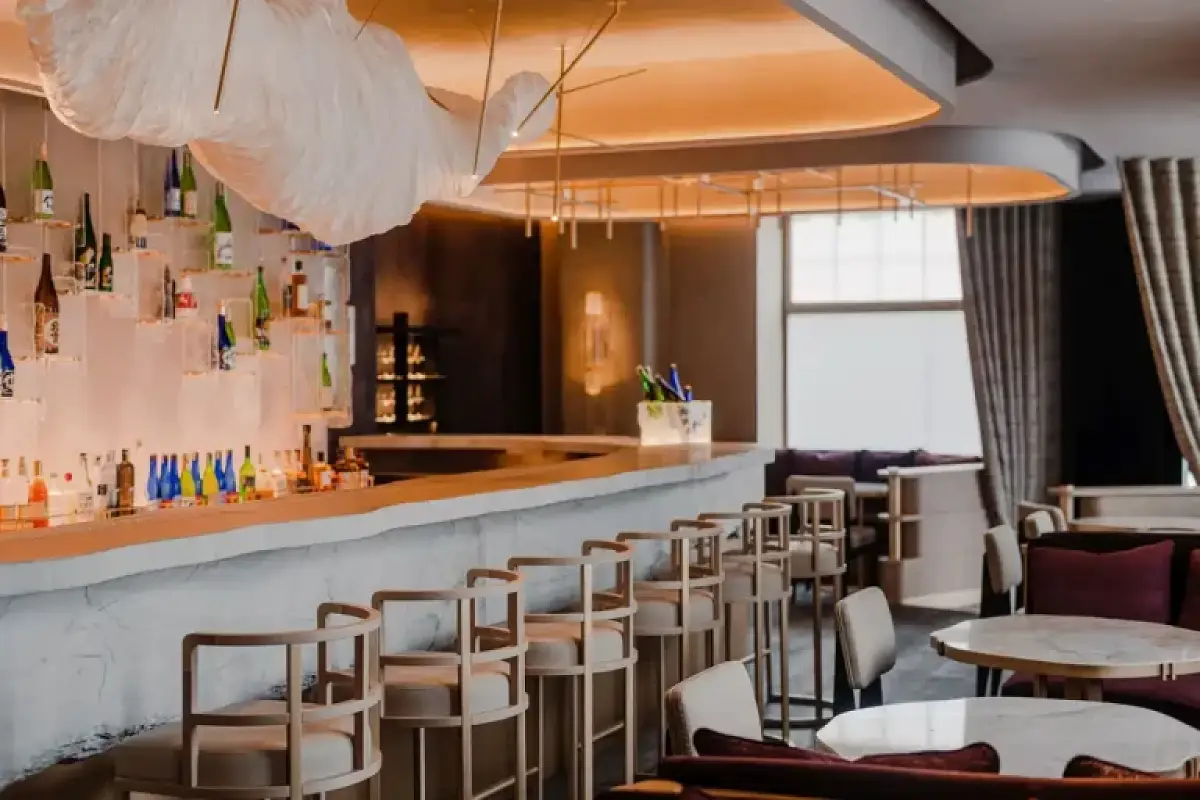
Nobu Hotel Warsaw has completed five years of operations in Poland’s capital, positioning itself as a design-led hospitality destination that integrates luxury accommodation, a high-end restaurant, and experiential spaces. Located at the intersection of Wilcza and Koszykowa streets, the property continues to attract international travellers and business guests.
The hotel, part of the global portfolio, combines Japanese minimalism with Art Deco influences. The project reflects a broader trend in premium hospitality where architecture, culinary identity, and guest experience are integrated into a unified concept. The brand’s founders, visited Warsaw in November 2025 to mark the milestone.
Five Years of Integrated Hospitality Concept
Since its opening, Nobu Hotel Warsaw has operated as a hybrid hospitality model, combining a five-star hotel with a destination restaurant and entertainment venues. The property features 116 rooms, alongside a flagship Nobu restaurant known for its Japanese-Peruvian cuisine, a dedicated sake bar, and an underground jazz venue, Jassmine.
The concept reflects the brand’s global positioning, where food and beverage offerings are central to the overall guest experience. The integration of dining and entertainment within the property aligns with evolving consumer expectations for multi-functional hospitality spaces.
The hotel’s location in central Warsaw further strengthens its appeal, placing it within proximity to business districts and cultural landmarks, contributing to sustained demand from both domestic and international segments.
Architecture and Design Strategy
The property was designed by Medusa Group in collaboration with California-based Studio PCH, led by architects Przemo Łukasik and Łukasz Zagała, in collaboration with Studio PCH. The development involved the adaptive reuse of the historic Hotel Rialto building alongside a newly constructed modern extension.
The architectural approach combines contrasting styles without fragmentation. The historic wing retains classical detailing, while the new structure introduces a contemporary form defined by a glazed, trapezoidal volume with staggered floors. The façade uses crushed glass to create a semi-transparent exterior that balances privacy with natural light.
Interior design continues the contrast through material combinations such as raw concrete, wood, and travertine, alongside Art Deco-inspired elements including dark finishes and textured surfaces. The integration of works from Polish artists further localises the global brand within the Warsaw context.
Key design elements include a sculptural staircase in the lobby and curated lighting strategies that enhance spatial experience, reflecting a focus on detail-driven hospitality environments.
Omotenashi and Guest Experience Model
The hotel’s operational philosophy is rooted in the Japanese concept of omotenashi, which emphasises attentive and anticipatory service. This principle extends beyond service interactions to include spatial design, ambience, and visual presentation.
The layered design narrative, contrasting old and new structures. supports this approach by creating varied guest experiences within a single property. The inclusion of multiple zones, from dining to nightlife, allows the hotel to cater to different usage occasions throughout the day.
The presence of Jassmine, an underground jazz club, adds a distinct entertainment dimension rarely integrated within hotel environments in the city, reinforcing the property’s positioning as an experiential destination.
Brand Positioning and Market Context
Nobu’s Warsaw property reflects the brand’s broader international strategy, which focuses on combining architecture, cuisine, and lifestyle elements across its portfolio. The Warsaw location demonstrates how global hospitality brands adapt to local contexts while maintaining a consistent identity.
The project was developed on a constrained urban plot previously occupied by a gas station, requiring a design approach sensitive to surrounding historic structures. This highlights the increasing importance of adaptive urban development in premium hospitality projects.
Five years after launch, Nobu Hotel Warsaw remains positioned as a distinctive offering within Poland’s luxury hospitality segment, supported by its integrated restaurant concept and design-led identity.
Operational Continuity and Current Status
The hotel continues to operate as a combined accommodation and dining destination, maintaining its focus on design, culinary experience, and service standards. Its restaurant and bar offerings remain central to its positioning, contributing to consistent guest engagement.
As part of the Nobu global network, the Warsaw property reflects ongoing demand for lifestyle-driven hospitality formats that extend beyond traditional hotel operations. The five-year milestone underscores the sustainability of this integrated model within a competitive European market.