India Trades Crowded Restaurants for Private Chefs at Home
Private chefs in India are replacing crowded restaurants as diners seek privacy, safety and customization. Here’s why the shift matters—read on.
 Ekta Mathew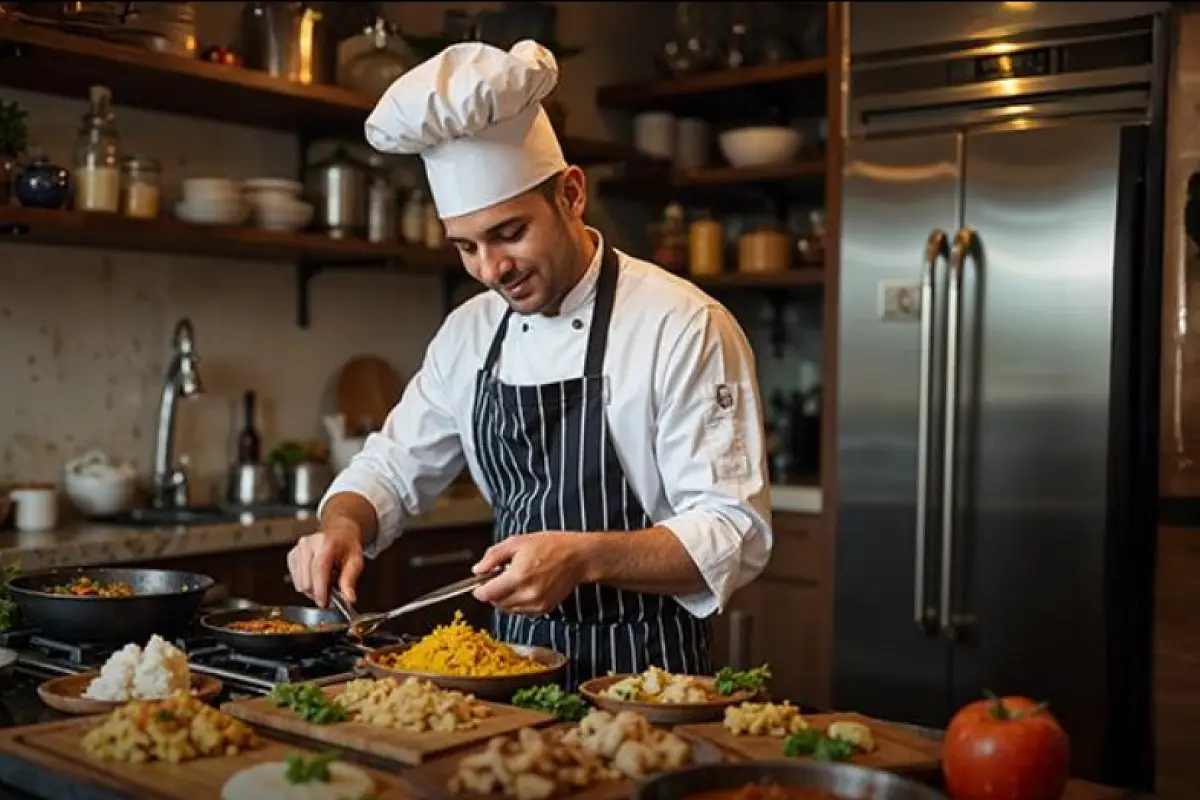
MUMBAI, June 27, 2026 — Urban Indians increasingly choose private chefs over crowded restaurants as home dining gains momentum across major cities in 2026. The shift reflects changing priorities around privacy, personalization and time efficiency.
The move marks a structural change in how India’s middle- and upper-income households consume hospitality services, with long-term implications for restaurants, chefs and food platforms.
Private chefs reshape India dining culture
Private chefs in India now serve families, working professionals and small social gatherings seeking restaurant-quality meals without public dining. The model replaces fixed menus with customized cuisine cooked in-home.
Platforms and culinary collectives report rising demand for multi-course meals, dietary-specific menus and live chef interactions, particularly in metro cities.
Privacy and comfort drive consumer choices
Consumers cite crowd fatigue, noise and waiting times as key reasons for avoiding restaurants. Home dining offers control over hygiene, guest lists and meal pacing.
Industry observers say private chefs appeal strongly to families hosting celebrations, corporate leaders entertaining at home and health-conscious diners.
Time scarcity fuels at-home luxury
Long work hours and traffic congestion reduce appetite for travel-based dining. Hiring a chef eliminates commute time while preserving the experience of freshly prepared food.
Meal planning, ingredient sourcing and cleanup are increasingly bundled into chef-at-home packages.
Tech platforms enable chef access
Digital marketplaces simplify discovery, booking and pricing of private chefs. Platforms offering background verification and standardized pricing build trust in the category.
Companies such as Urban Company list chef services alongside home maintenance, normalizing the concept for urban households.
Restaurants face changing footfall patterns
Restaurant operators acknowledge reduced weekday dine-in traffic in some neighborhoods. Many respond by launching chef-on-call services, private tasting menus or takeaway-focused kitchens.
Industry data from Zomato Business highlights steady growth in premium home consumption categories.
Chefs gain independence and income control
Independent chefs view private bookings as an alternative to traditional restaurant employment. The model allows flexible scheduling and direct client relationships.
Culinary schools report rising interest in entrepreneurship-focused training over conventional hotel placements.
Food safety awareness strengthens the trend
Home dining also aligns with increased food safety awareness. Private chefs operate under household supervision, reducing perceived risk.
Guidelines published by the Food Safety and Standards Authority of India continue to shape hygiene expectations across food services.
A lasting shift, not a passing fad
Analysts say private chefs will coexist with restaurants rather than replace them. High-volume social dining remains restaurant-led, while intimate and premium occasions move home.
The trend signals a broader redefinition of luxury—from public visibility to private control.
More information about Indian cuisine and its regional diversity can be explored through Indian cuisine history and traditions.
Businesses monitoring hospitality expansion trends can also explore restaurant industry growth trends for 2026 to understand how regional food concepts are shaping dining markets.