Seoul’s ‘Yajang’ Outdoor Dining Surge Strains Streets Amid Long Wait Times
Seoul sees a surge in ‘yajang’ outdoor dining as warmer weather drives long waitlists, crowded streets and regulatory concerns over unlicensed street-side service.
 Prajakta Sanjay Warwadkar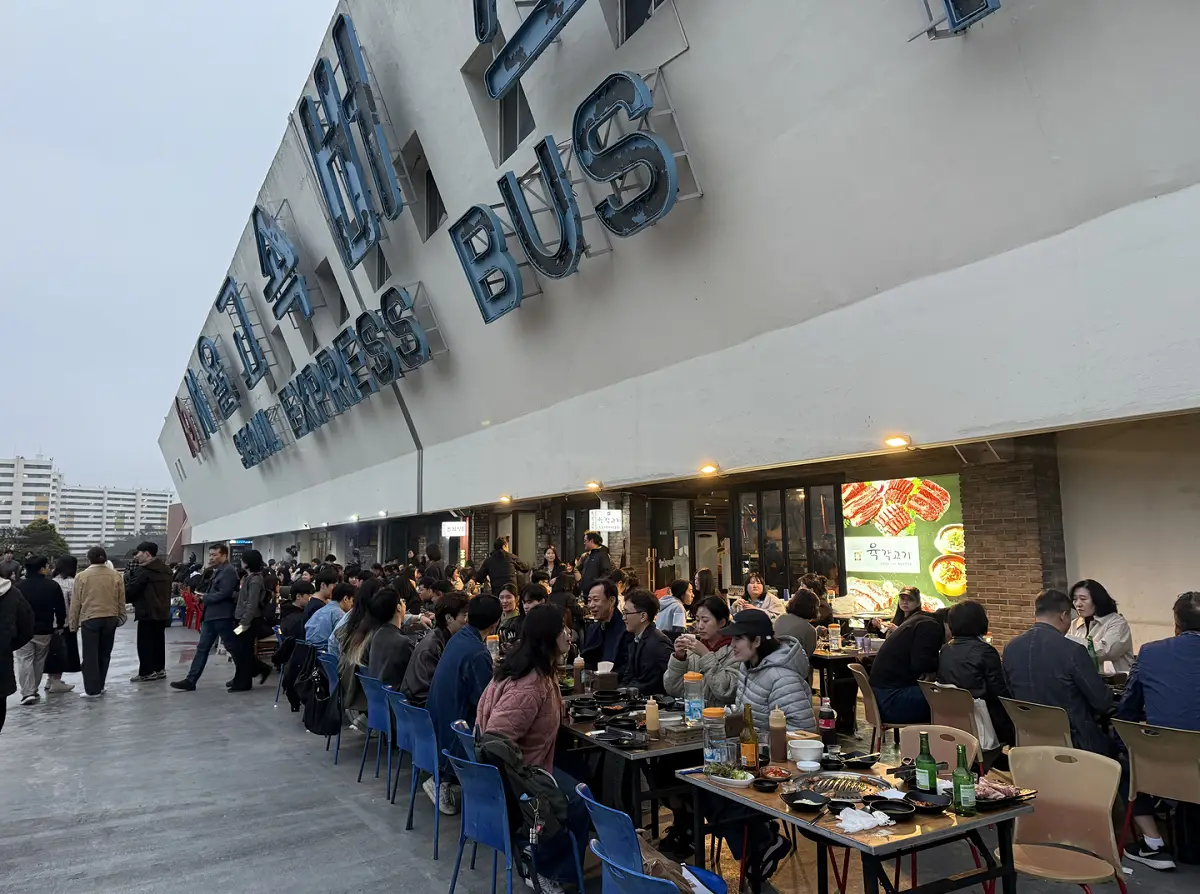
Warmer spring weather in Seoul has triggered a sharp rise in outdoor dining activity known as “yajang,” with popular districts reporting waitlists exceeding 300 groups and dining limits imposed amid surging demand. The seasonal trend, now drawing large crowds across central Seoul, is also raising concerns over congestion and regulatory compliance.
In recent weeks, areas such as Seongbuk Stream near Hansung University Station have emerged as focal points for the trend, with restaurants extending seating onto sidewalks and streets. Diners gather around temporary outdoor tables to grill samgyeopsal, share stews and consume alcoholic beverages, transforming urban streets into open-air dining zones.
Outdoor Dining Demand Drives Long Waitlists and Time Limits
The rise in temperatures has coincided with peak interest in yajang dining, particularly during cherry blossom season. At Seongbuk Stream, restaurants have reported waitlists exceeding 50 groups on typical evenings, with some reaching over 300 groups at peak demand earlier in April. Waiting times have stretched up to four hours in certain cases.
To manage turnover, many establishments have introduced 90-minute dining limits for outdoor seating. Despite these restrictions, customer demand remains high, with visitors traveling from outside Seoul to experience the atmosphere. The appeal is driven by a combination of seasonal weather, social dining formats and the informal nature of the setting.
Operators indicate that the scale of demand this year has significantly exceeded previous seasons, highlighting a shift in consumer preference toward outdoor, experience-driven dining.
From Informal Setups to Citywide Dining Trend
Yajang typically involves restaurants placing temporary tables and chairs outside their premises to serve food and drinks in open-air environments. Unlike structured terrace dining seen in Western markets, the Korean format is more casual, often featuring plastic seating, portable grills and shared dining arrangements.
The concept has evolved from modest street food stalls that emerged during Korea’s industrialisation in the 1960s, when workers sought informal spaces to unwind. Over time, these setups have developed into a widely recognised dining format across Seoul.
Locations such as Euljiro’s Nogari Alley continue to reflect this legacy, while newer formats are expanding the concept into courtyards, rooftops and alleyways. At Dalmaji Square Barbecue in Euljiro, for instance, nearly 100 tables are arranged in a courtyard-style setting, with queues forming hours before opening and waitlists surpassing 350 groups.
Other areas, including rooftop venues at Seoul Express Bus Terminal and quieter streets like Seosulla-gil in Jongno District, are also adapting yajang formats to different urban environments.
Operational Challenges and Legal Constraints Emerge
The rapid expansion of yajang dining has led to operational and regulatory challenges. In high-traffic areas such as Seongbuk Stream, outdoor seating frequently extends into pedestrian walkways and roadways, creating congestion and safety concerns.
Local residents have reported disruptions, citing reduced accessibility and increased crowding. Authorities have also noted a rise in complaints related to pedestrian inconvenience, with Seongbuk District receiving approximately five reports per day during early April.
Under South Korea’s Food Sanitation Act, restaurants are generally prohibited from serving food outside their registered premises without prior approval from local authorities. At Seongbuk Stream, such permits have not been issued, placing many yajang operations in a legal grey area or in violation of existing regulations.
District officials have initiated weekly inspections and enforcement measures, including the removal of unauthorised outdoor equipment. However, enforcement has remained relatively lenient, with authorities prioritising guidance and voluntary compliance over strict penalties.
Balancing Economic Benefits with Urban Management
Restaurant operators view yajang as a critical revenue driver, particularly during seasonal peaks. The ability to expand seating outdoors allows businesses to accommodate increased demand and offset broader economic pressures affecting the hospitality sector.
However, repeated complaints and regulatory limitations have restricted the extent to which operators can utilise outdoor spaces. Some business owners report being required to reduce the number of tables following public complaints, impacting potential revenue during peak periods.
Policy discussions are emerging around formalising yajang operations within a regulated framework. In Jongno District, revised local ordinances introduced in December 2023 now permit limited street-side dining in designated areas, allowing businesses to place a single row of tables outside their premises under defined conditions.
Industry observers suggest that similar regulatory models could be expanded to other districts, enabling authorities to manage public space while supporting local businesses. The growing popularity of yajang among both residents and international visitors has positioned it as a cultural and economic asset within Seoul’s dining landscape.
As outdoor dining demand continues to rise, the balance between accessibility, safety and commercial activity remains a key issue for city authorities and the restaurant sector.