Sharda Bhavan and Amba Bhavan anchor Matunga’s Udupi legacy
Sharda Bhavan and Amba Bhavan define Matunga’s Udupi food legacy, drawing families across generations. Discover why these icons still matter—read on.
 Ekta Mathew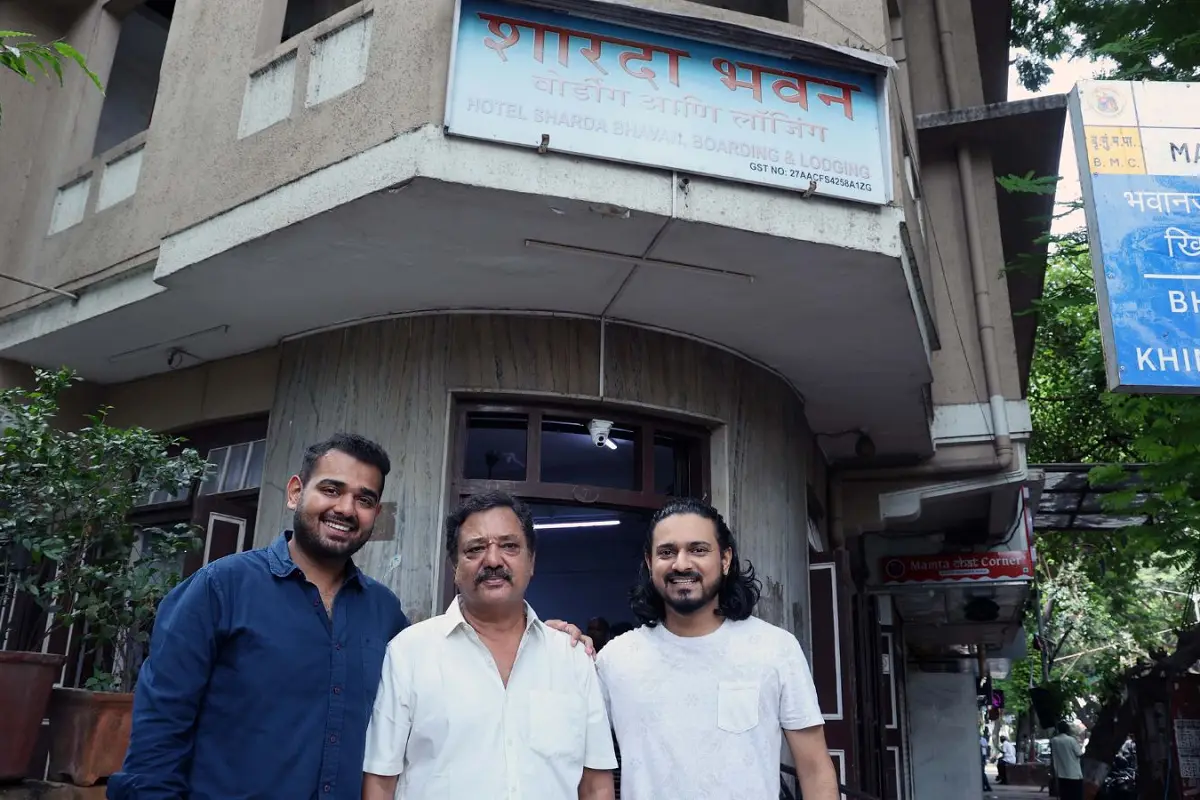
MUMBAI, June 13, 2026 — Sharda Bhavan and Amba Bhavan, two Udupi restaurants in Matunga that trace their roots back nearly nine decades, continue to serve generations of Mumbai families at the same shared tables. Located minutes apart, the eateries remain daily fixtures for office-goers, retirees and students drawn by familiarity as much as food.
The longevity of Sharda Bhavan and Amba Bhavan matters in a city where legacy restaurants often give way to redevelopment. In Matunga, these dining rooms still reflect a neighborhood shaped by South Indian migration, ritualized meal times and vegetarian cooking rooted in the Udupi tradition.
Sharda Bhavan and Amba Bhavan define Matunga’s Udupi core
Founded by families who migrated from Karnataka’s coastal belt, both restaurants follow the Udupi style of cooking that emphasizes seasonal produce, coconut-based gravies and disciplined kitchen practices. Over decades, menus have stayed deliberately limited, with dishes repeated daily rather than reinvented.
At, patrons begin their mornings with idli, vada and filter coffee served at pace. Regulars say the rhythm of service, unchanged for years, forms part of the appeal.
Across the neighborhood, follows a similar cadence. Lunch hours bring a steady flow of diners ordering full meals built around rice, sambar, rasam and vegetable preparations that rotate subtly by season.
Four generations at the same tables
What distinguishes these restaurants is continuity of clientele. Families who first visited as children now arrive with grandchildren, often ordering identical meals across decades.
“My grandfather brought me here after temple visits, and now my grandchildren ask for the same meals,” said Ramesh Pai, a Matunga resident and long-time customer.
— Ramesh Pai, local resident
Owners attribute this loyalty to consistency rather than expansion. Neither restaurant has pursued branches or delivery-first models, choosing instead to preserve the original dining format.
Matunga’s changing streetscape, steady kitchens
While Matunga’s real estate profile and demographics evolve, Sharda Bhavan and Amba Bhavan operate within tightly held routines. Kitchen roles often pass within families, and suppliers remain unchanged for years.
Food historians note that such establishments act as informal archives of Mumbai’s culinary migration history, documenting how Udupi cuisine adapted to urban demand without losing structure.
Why the restaurants endure
In an era of trend-driven menus, the endurance of these eateries reflects a demand for reliability. Customers know what arrives on the plate, when it arrives and how it tastes.
As Matunga marks another year of transformation, Sharda Bhavan and Amba Bhavan continue to function less as restaurants and more as shared neighborhood spaces.
More information about Indian cuisine and its regional diversity can be explored through Indian cuisine history and traditions.
Businesses monitoring hospitality expansion trends can also explore restaurant industry growth trends for 2026 to understand how regional food concepts are shaping dining markets.