Shiok Singapore Kitchen Expands to South Bay, Bringing Southeast Asian Flavors to Peninsula Dining Scene
Shiok Singapore Kitchen has expanded into the South Bay area, introducing authentic Southeast Asian cuisine and strengthening the region’s diverse dining landscape in 2026.
 Prajakta Sanjay Warwadkar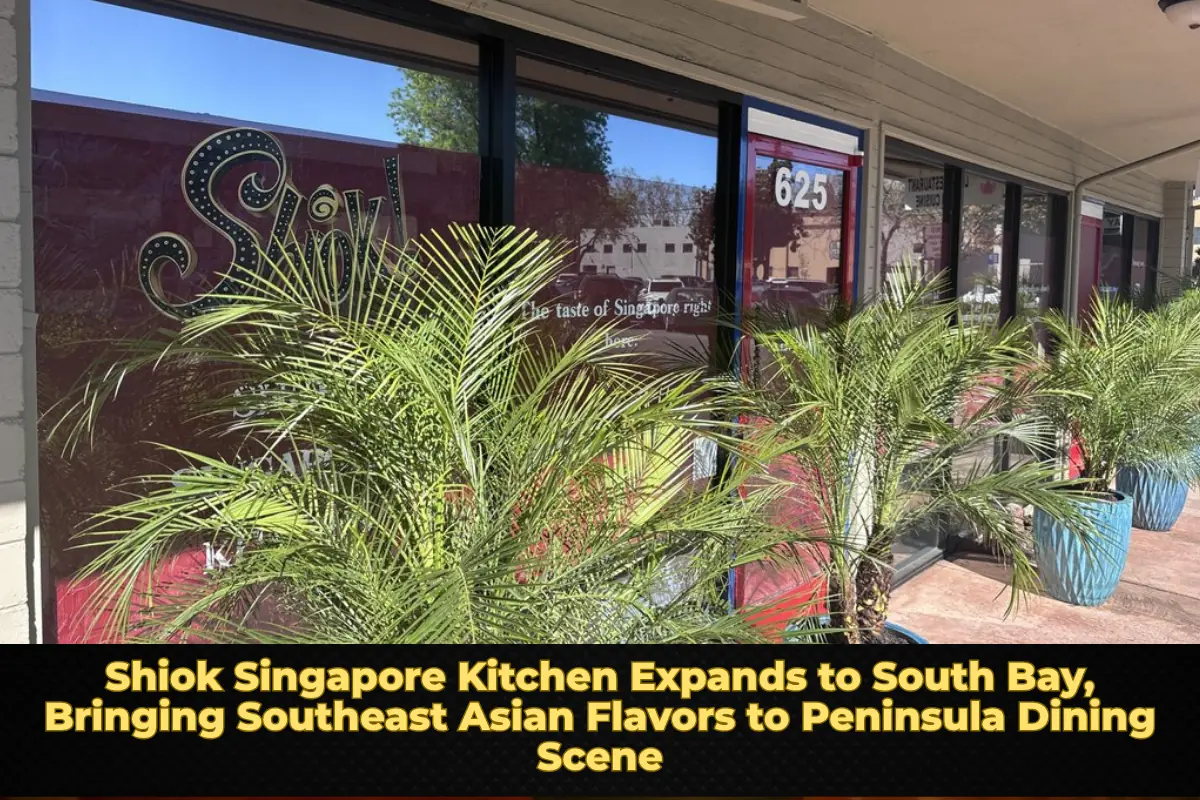
Shiok Singapore Kitchen Expands to South Bay, Bringing Southeast Asian Flavors to Peninsula Dining Scene
Shiok Singapore Kitchen has expanded its footprint into the South Bay region of California in March 2026, introducing authentic Singaporean cuisine to the Peninsula dining scene as part of its growth strategy. The move aims to meet increasing consumer demand for diverse and culturally rich dining experiences while strengthening the restaurant’s presence in the competitive Bay Area market.
The new location marks a significant milestone for the brand, which has built a reputation for offering traditional Southeast Asian dishes rooted in Singapore’s multicultural culinary heritage. By entering the South Bay market, Shiok Singapore Kitchen is positioning itself to attract a broader customer base, including both local diners and professionals in the region’s thriving business hubs.
Strategic Expansion into a Competitive Market
The South Bay area, known for its diverse population and dynamic food culture, presents both opportunities and challenges for restaurant operators. With a strong presence of international cuisines, the region has become a hub for culinary innovation and competition.
Shiok Singapore Kitchen’s expansion reflects a strategic decision to tap into this vibrant market, where consumers are increasingly seeking authentic global flavors. The restaurant’s entry into the area underscores confidence in the growing demand for Southeast Asian cuisine, particularly dishes that offer a balance of bold flavors and cultural authenticity.
Industry analysts note that expansion into high-density urban markets requires careful positioning, with operators needing to differentiate through quality, authenticity, and customer experience.
Showcasing Singapore’s Multicultural Cuisine
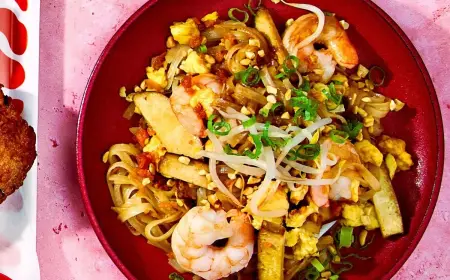
The restaurant’s menu highlights the diversity of Singaporean cuisine, which is influenced by Chinese, Malay, Indian, and Peranakan culinary traditions. Signature dishes typically include favorites such as Hainanese chicken rice, laksa, and chili crab, offering diners a comprehensive introduction to the country’s food culture.
This emphasis on multicultural flavors aligns with broader trends in the global restaurant industry, where consumers are showing increased interest in exploring cuisines that reflect cultural fusion and heritage. By focusing on authenticity, Shiok Singapore Kitchen aims to stand out in a crowded marketplace.
The expansion also provides an opportunity to educate diners about Singaporean cuisine, which, while popular in parts of Asia, is still emerging in many international markets.
Rising Demand for Southeast Asian Dining
The growth of Southeast Asian restaurants in the United States has been driven by shifting consumer preferences toward bold, diverse flavors and unique dining experiences. Cuisines from countries such as Singapore, Thailand, and Vietnam are gaining traction as diners seek alternatives to more established offerings.
Shiok Singapore Kitchen’s expansion into the South Bay reflects this trend, as operators respond to increasing demand by introducing specialized and regionally focused concepts. The restaurant’s ability to deliver authentic flavors while maintaining consistency will be key to its success in the new location.
The trend is further supported by a growing awareness of global cuisines, fueled by travel, media, and digital platforms that expose consumers to a wide range of culinary traditions.
Enhancing the Local Dining Landscape
The addition of Shiok Singapore Kitchen contributes to the diversity of the South Bay’s dining scene, offering residents and visitors new options for exploring international cuisine. The restaurant’s presence is expected to complement existing establishments while adding a distinctive Southeast Asian perspective.
Local economies benefit from such expansions through job creation and increased economic activity, particularly in areas with high foot traffic and strong consumer spending. Restaurants also play a role in fostering community engagement, serving as social spaces where people gather and connect.
The introduction of new concepts can also encourage healthy competition, prompting existing operators to innovate and enhance their offerings.
Operational Considerations and Challenges
Expanding into a new market involves several operational challenges, including site selection, staffing, supply chain management, and maintaining brand consistency. For Shiok Singapore Kitchen, ensuring that the quality and authenticity of its dishes remain consistent across locations is a critical priority.
Sourcing authentic ingredients can also present challenges, particularly for cuisines that rely on specific regional components. Establishing reliable supply chains and maintaining cost efficiency are essential for long-term sustainability.
Additionally, adapting to local consumer preferences while preserving the integrity of traditional recipes requires a careful balance, as restaurants aim to appeal to a broad audience without compromising authenticity.
Role of Branding and Customer Experience
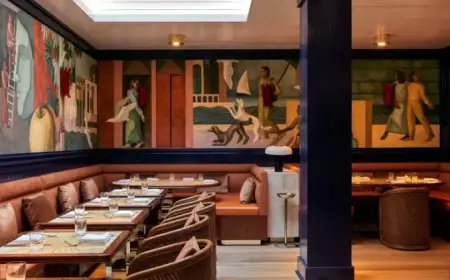
Brand identity and customer experience are key factors in the success of restaurant expansions. Shiok Singapore Kitchen’s focus on authentic cuisine is complemented by efforts to create an engaging dining environment that reflects Singaporean culture.
Interior design, service quality, and menu presentation all contribute to the overall experience, influencing customer satisfaction and repeat visits. In competitive markets like the South Bay, these elements can be decisive in building a loyal customer base.
Digital engagement, including online reviews and social media presence, also plays a significant role in attracting customers and shaping perceptions of the brand.
Broader Industry Trends
The expansion of Shiok Singapore Kitchen reflects broader trends in the hospitality industry, including the globalization of cuisine, the rise of niche dining concepts, and the importance of cultural authenticity. Restaurants are increasingly focusing on storytelling and unique value propositions to differentiate themselves.
As consumers become more adventurous in their dining choices, the demand for diverse and authentic experiences is expected to continue growing. This creates opportunities for operators to introduce new cuisines and expand their reach.
The trend also highlights the importance of adaptability, as restaurants must navigate changing market conditions and evolving consumer expectations.
Outlook for Future Growth
Looking ahead, Shiok Singapore Kitchen is likely to focus on consolidating its presence in the South Bay while exploring opportunities for further expansion. The success of the new location will depend on its ability to deliver consistent quality, maintain strong customer engagement, and adapt to local market dynamics.
The broader outlook for Southeast Asian cuisine in the United States remains positive, with increasing consumer interest and growing representation in urban dining markets. Restaurants that can effectively balance authenticity with accessibility are well-positioned for success.
As the dining landscape continues to evolve, expansions like this underscore the importance of innovation, cultural representation, and strategic growth in the hospitality industry.
Conclusion
Shiok Singapore Kitchen’s expansion into the South Bay marks a strategic step in bringing authentic Singaporean cuisine to a wider audience, as the brand seeks to strengthen its presence in a competitive and evolving dining market.