Social Media Drives ‘Camera Eats First’ Trend Across India’s Restaurant Industry
Social media is reshaping India’s dining culture as restaurants adapt to the ‘camera eats first’ trend, influencing menu design, plating, and customer behavior.
 Prajakta Sanjay Warwadkar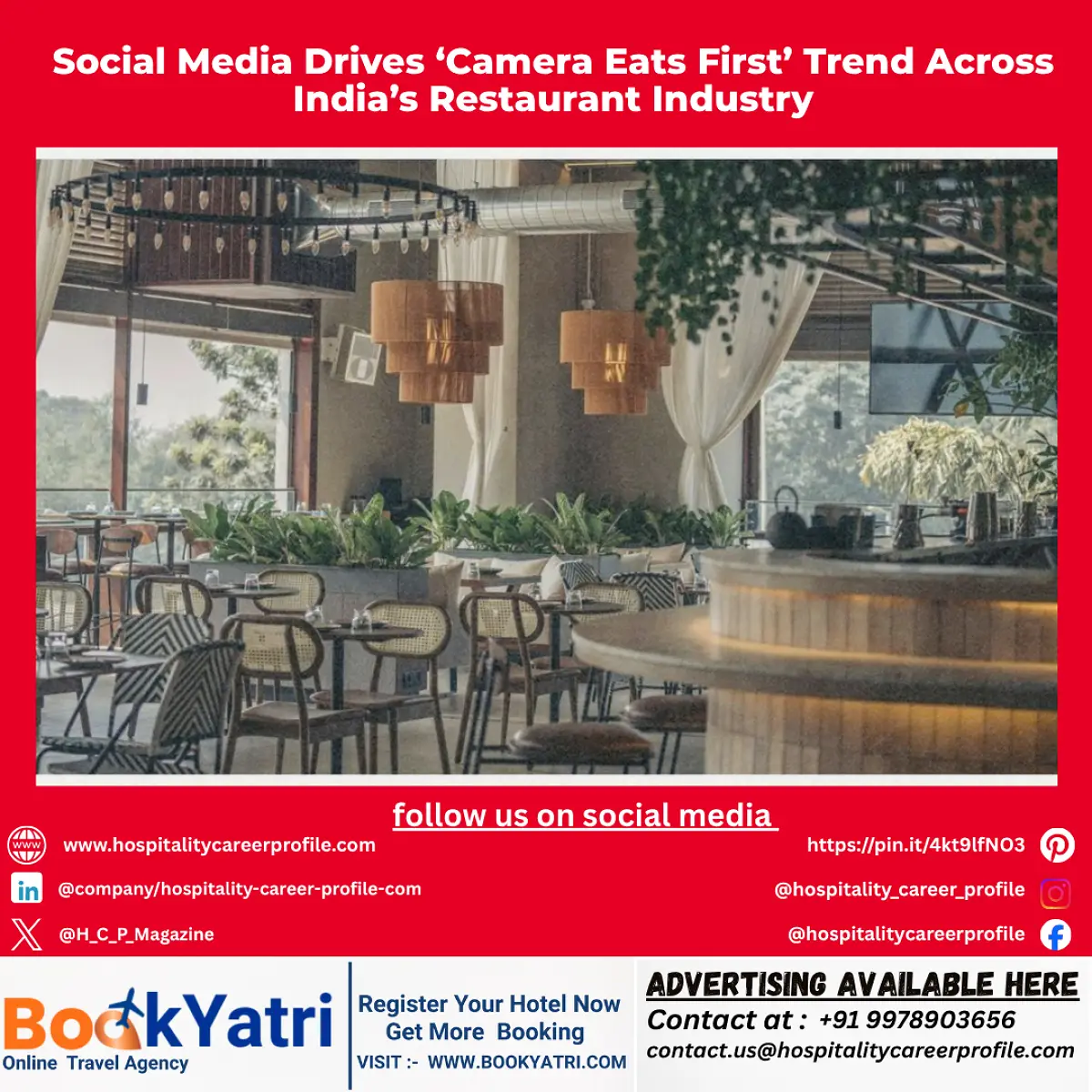
Restaurants across India are increasingly adapting their concepts, menus, and service styles to align with the “camera eats first” trend, where diners prioritize photographing food for social media before consumption. The shift, driven by platforms such as Instagram and short-form video apps, is influencing customer behavior and operational strategies across the food service sector.
The trend reflects a growing intersection between dining and digital engagement, where visual appeal has become a critical factor in customer decision-making. Operators are responding by redesigning dishes, interiors, and overall experiences to enhance shareability and online visibility.
Shift in Consumer Behavior
The rise of social media has significantly altered how consumers interact with food. Dining is no longer limited to taste and service; visual presentation now plays a central role in shaping the overall experience. Customers increasingly seek visually distinctive dishes that can be shared online, often influencing their choice of restaurant.
This behavioral shift has led to longer pre-meal engagement, where diners photograph or record their food before eating. The phenomenon is particularly prominent among younger demographics, who view dining as both a social and digital activity.
Restaurants are recognizing that online visibility generated by customers can directly impact footfall, making social media an integral component of marketing strategies.
Menu Design and Presentation Strategies
To align with this trend, restaurants are focusing on plating techniques, color contrasts, and creative presentation styles. Dishes are being designed not only for flavor but also for visual impact, often incorporating vibrant ingredients, unique serving formats, and artistic arrangements.
Menu innovation is increasingly influenced by how well a dish performs visually on digital platforms. Items that generate higher engagement online are more likely to be retained or promoted, while less visually appealing dishes may be redesigned or removed.
This approach reflects a shift toward data-informed menu development, where customer-generated content serves as a feedback mechanism.
Impact on Restaurant Interiors and Ambience
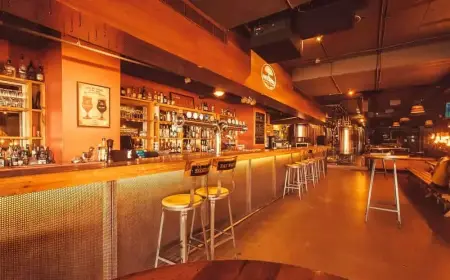
Beyond food presentation, restaurant interiors are also being tailored to support the “camera eats first” culture. Lighting, décor, and seating arrangements are designed to create visually appealing backdrops that enhance photography.
Natural lighting, aesthetically curated spaces, and themed environments are increasingly prioritized, as they contribute to the overall shareability of the dining experience. Some operators are incorporating dedicated photo-friendly zones to encourage customer engagement.
These design considerations are part of a broader effort to create immersive environments that extend beyond traditional dining expectations.
Marketing and Brand Visibility
The integration of social media into dining experiences has transformed how restaurants approach marketing. User-generated content now serves as a key promotional tool, often reaching wider audiences than traditional advertising.
Restaurants are leveraging this by encouraging customers to share their experiences online, sometimes through incentives such as discounts or featured posts. Influencer collaborations and digital campaigns are also being used to amplify reach.
The ability to create content that resonates on social platforms has become a competitive advantage, particularly in urban markets with high restaurant density.
Operational Considerations and Challenges
While the trend offers marketing benefits, it also presents operational challenges. Maintaining consistency in presentation across high volumes of orders requires additional training and attention to detail. Kitchen workflows may need to be adjusted to ensure that dishes meet visual expectations without compromising efficiency.
There is also a balance to be maintained between aesthetics and practicality. Overemphasis on presentation can increase preparation time and costs, impacting overall operations. Restaurants must therefore integrate visual elements in a way that supports both customer experience and business performance.
Additionally, managing customer behavior—such as extended table occupancy due to photography—can affect turnover rates, particularly during peak hours.
Industry-Wide Adoption
The “camera eats first” trend is gaining traction across various segments of the restaurant industry, from casual dining to premium establishments. While the scale of implementation may vary, the underlying principle of enhancing visual appeal is becoming increasingly universal.
In metropolitan cities, where competition is intense, restaurants are more actively adopting these strategies to differentiate themselves. Smaller operators are also participating by leveraging creativity and social media engagement to build brand presence.
The trend underscores the growing importance of digital influence in shaping consumer preferences and business strategies within the hospitality sector.
Conclusion
The integration of social media into dining experiences is redefining how restaurants in India design menus, spaces, and customer interactions. As the “camera eats first” trend continues to evolve, visual presentation and digital engagement are becoming essential components of success in the restaurant industry.