Surat Restaurant Food Poisoning Kills Child, Eatery Sealed
A Surat restaurant food poisoning case has killed a five-year-old and hospitalized her family after eating from Sheetal Restaurant in Varachha on August 15.
 RUKAIYA KADIWAL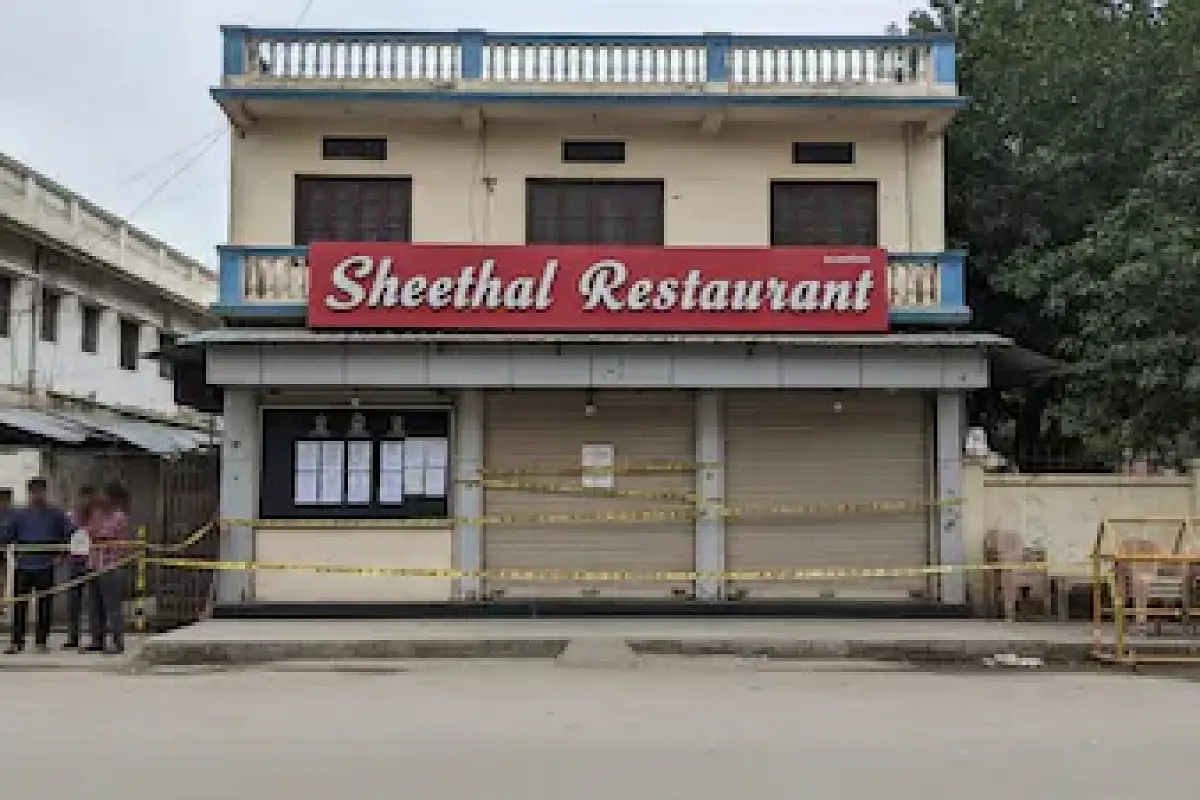
On the evening of August 15, a family in Surat's Varachha area ordered a vegetable dish from Sheetal Restaurant. It was an ordinary act, the kind repeated millions of times every day across India's restaurants, dhabas, and takeaway counters. By the morning of August 16, every member of the family had fallen ill with severe vomiting. By August 17, a five-year-old girl was unconscious. By the time she reached hospital, it was too late.
The Surat restaurant food poisoning case has since resulted in Sheetal Restaurant being sealed by the Surat Municipal Corporation, four family members hospitalized, and an entire city's worth of restaurant kitchens placed under urgent inspection. But no administrative action reaches back to change what happened on Independence Day weekend in a neighborhood that trusted what arrived on its plate.
What Happened at Sheetal Restaurant Surat
The family's symptoms of suspected food poisoning developed overnight after their August 15 meal. The girl's father was subsequently discharged after treatment. Her mother and two other children remain hospitalized in stable condition, according to officials. The girl herself was taken to a local hospital after losing consciousness on August 17, and doctors were unable to save her. Her post-mortem examination was underway at the time of reporting.
Following the incident, Surat Municipal Corporation officials visited the Sheetal Restaurant in Varachha and found lapses in cleanliness and hygiene. The restaurant was sealed and an improvement notice issued. Medical Health Officer PH Umrigar confirmed the response. "We have collected samples of ready-to-eat food and raw materials from Sheetal Restaurant located in Varachha area of the city," he said. "After finding lapses in cleanliness inside the kitchen, the restaurant was shut down and an improvement notice was issued."
The Official Response to the Surat Restaurant Food Poisoning Case
Gujarat Health Minister Praful Pansheriya took cognisance of the incident through a video conference with District Health Officer Dr Anil Patel and the SMC's Dr Umrigar, issuing instructions for necessary medical and administrative action to follow. The minister also spoke directly with treating doctors at Sadvichar Hospital to obtain updates on the four hospitalized family members and ensured treatment arrangements remained in place.
Pansheriya also called the girl's family to offer his condolences personally, a gesture that speaks to how seriously the case has been received at the state's political level. Following those conversations, the SMC launched a special inspection drive across all zones of Surat to check restaurants for compliance with cleanliness, hygiene, and food safety standards. The scale of that drive reflects an acknowledgment that what happened to one family in Varachha cannot be treated as an isolated incident requiring only one response.
What the Kitchen Inspections Revealed
The specific lapses found inside Sheetal Restaurant's kitchen have not been publicly detailed beyond references to cleanliness failures. Samples of both ready-to-eat food and raw materials were collected for laboratory testing, and the results will form part of any formal investigation that follows. The gap between the meal being served and the severity of the illness that followed suggests contamination at the preparation or storage stage rather than simply poor presentation.
Food safety failures in restaurant kitchens typically involve a combination of temperature control, cross contamination, or the use of ingredients past safe consumption. Any single factor can produce severe illness, and in cases involving young children, elderly guests, or those with compromised immunity, the consequences can escalate quickly. A five-year-old's physiological response to food contamination is fundamentally different from an adult's, making the same meal far more dangerous for a child than it might appear from the wider family's experience of illness.
A Structural Problem Behind Individual Cases
The Surat case is not unique in India's restaurant safety landscape. Food poisoning incidents at eateries, particularly smaller establishments in residential and commercial neighborhoods, are reported regularly across the country, often with a familiar pattern of rapid illness, hospital admissions, and municipal inspection drives that follow in response. What happens after those inspections, and how consistently standards are maintained once the immediate attention fades, is the harder and more important question.
India's Food Safety and Standards Authority has worked to establish clearer regulations and inspection frameworks across the food service sector, but enforcement at the neighborhood restaurant level remains inconsistent across states and municipalities. A restaurant that passes a spot inspection on a given day is not necessarily the same kitchen on a different day, under different pressure, with different staff. The systemic challenge is continuous compliance, not single-point assessment.
What This Case Reveals About Food Safety and Trust
Restaurants occupy a particular position of trust in their communities. A family ordering food from a neighborhood eatery is not conducting a risk assessment. They are extending the same trust that makes dining out possible at any level, from a local dhaba to a fine dining kitchen. The difference between a restaurant that honors that trust and one that fails it can rest on decisions made out of sight, in a kitchen the customer never sees.
Food and culture remain inseparable across the world's best restaurant traditions. A São Paulo restaurant building its entire identity around the responsible sourcing of seasonal ingredients, as seen in coverage of how a Brazilian restaurant adapts menus to climate challenges, shows one end of the spectrum of what culinary responsibility can look like. The Surat case sits at the other end of the same responsibility question, a reminder that the most basic obligation of any kitchen is not to harm the people who trust it.
A City Inspecting Itself After One Family's Loss
The SMC inspection drive that followed this case will check compliance across Surat's restaurant zones, and some establishments will be found wanting, issued notices, and required to improve. That process matters. It protects future diners. It cannot undo what the family in Varachha experienced on August 15 and the days that followed.
A five-year-old girl ordered a meal on an Independence Day weekend and did not survive the week. Her family ordered from a neighborhood restaurant the way families across India do every evening, without knowing that the kitchen behind the counter was not meeting the standard of care their trust required. The administrative response that followed cannot be the end of the story. It should be the beginning of a conversation about what it actually takes to make food service safe, not just on the days when inspectors arrive, but on every other day as well.
Learn more at News18's official website.