Restaurant Reservation Cancellations: The Hidden Cost for Owners
Restaurant Reservation Cancellations cost Canadian restaurants $91 per no show table for two, and one Toronto owner explains how it upends prep and staff.
 RUKAIYA KADIWAL
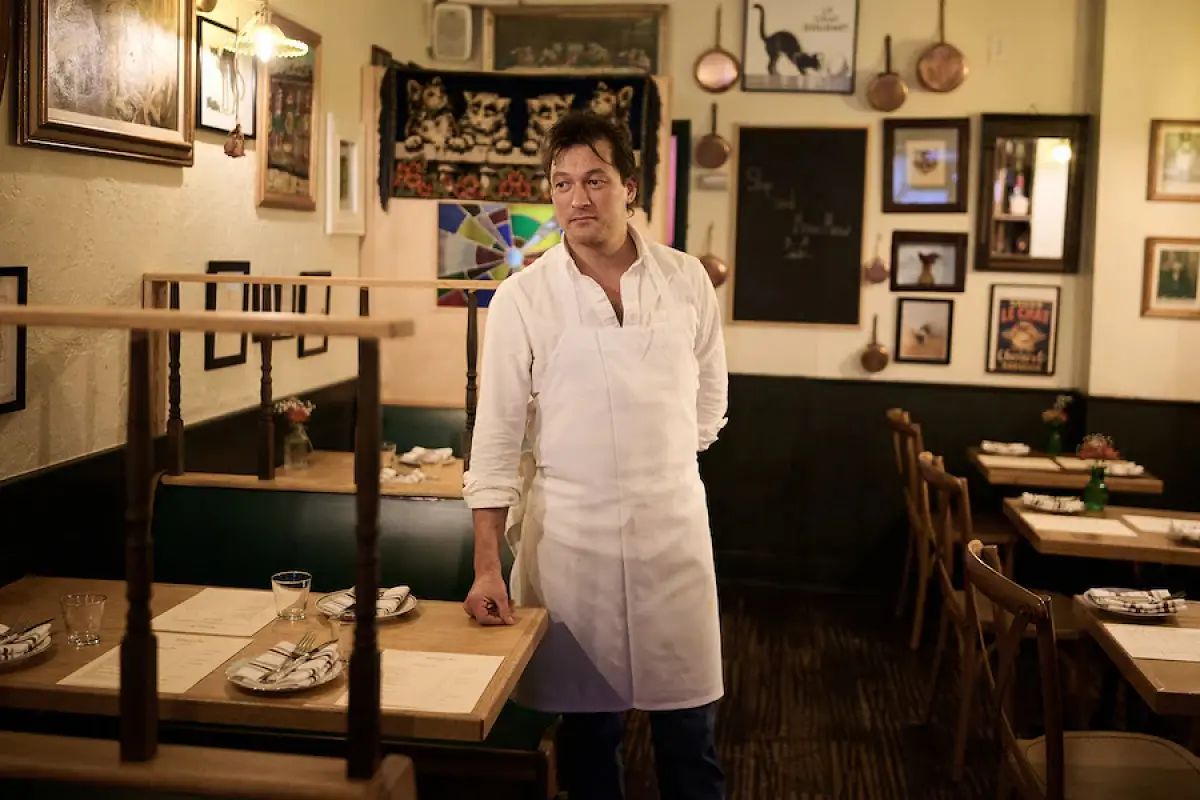
A man in a white apron stands in a quiet dining room, one hand resting on the end of a wooden booth. Copper pans hang on the wall behind him, and the tables are set with folded napkins. Service has not started yet. It is the calm before a night that may not fill, and it frames the problem of Restaurant Reservation Cancellations.
The Globe and Mail food culture reporter Dakshana Bascaramurty spent a Thursday at Stop, a small restaurant in Toronto's west end. Owner and head chef Denis Ganshonkov showed how last minute restaurant cancellations upend his week. The report appeared in late October 2026, with photographs by Sammy Kogan.
What Restaurant Reservation Cancellations Cost an Owner
Ganshonkov approached the booking tablet near the door with dread. There were 42 seats booked for the next night, a Friday. Hours earlier, half a dozen guests had cancelled. Now the number was 17, and seven hours remained before late cancellers would be charged a penalty.
Booking has never been easier. Platforms such as OpenTable and Resy let guests reserve weeks ahead. They also let guests forget or change their minds without speaking to anyone. These OpenTable reservations and others make restaurant no shows a daily risk.
The cost is real. A new OpenTable report says a no show table for two costs Canadian restaurants $91 on average. In cities such as Toronto, or at fine dining rooms, the figure can be much higher. Wasted food, staff costs and turned away bookings are the main impacts.
The Wednesday Prep That Cannot Predict Thursday
Stop opens from Thursday to Monday. Wednesday is the big prep day, when Ganshonkov and a cook process ingredients, prepare stocks and bake cake layers. Most of that work is based on the reservations on the books. Lately, those bookings have been a poor guide.
The menu is made mainly from local ingredients, with a French and Eastern European touch. It leans on fresh produce and fish, which do not keep for long. That makes food waste in restaurants like Stop's a constant worry. Ganshonkov orders with optimism, and it often backfires.
One week this summer, he asked his seafood supplier to cancel an order of lobster and B.C. salmon. The supplier found another buyer for the lobster. The salmon, at $185 a fish, stayed unsold, so Ganshonkov paid for it but did not take it. Cleaning and freezing it was too much trouble.
Fees, Deposits and the Limits of Booking Tools
Many restaurants now take credit card details at booking. They charge a fee if guests cancel within 12 or 24 hours. Others charge a deposit up front. These restaurant reservation policies are encouraged by OpenTable. A global survey of its restaurants linked a restaurant deposit policy to a 60 per cent drop in no shows.
The system is imperfect. Ganshonkov applies a $25 a guest fee on the Resy booking system when guests cancel within 24 hours. A handful of times each month, he tries to collect. Half of those charges are disputed. Some guests give false names, emails or phone numbers, so the card company sides with the cardholder.
Ganshonkov feels Resy does not do enough. "They're like, 'No, no, no. This is between you and [the guest],'" he said. Resy did not respond to a request for comment. Still, the Resy booking system saves him more than $3,000 a month compared with paying someone to answer the phone.
He treats restaurant cancellation fees with care. When a guest calls, he offers a new date or credit toward a future bill. Even then, an empty table remains that night. He has banned one guest who cancelled 10 times, who may now eat at Stop only as a walk in.
Staffing, Morale and the Thin Margin
Empty tables mean quiet shifts. When enough bookings vanish, Ganshonkov tells a front of house employee not to come in. That can backfire when walk ins fill the room. "If we don't have enough staff on hand to provide the service that we want, that means our service suffers in the eyes of the customer," he said.
In summer, there were more cancellations than confirmations. Staff came to expect work only every other day. An OpenTable survey found that 34 per cent of restaurants struggle to forecast staffing because of no shows. Thirty per cent said it hurt morale. These restaurant staffing challenges grow when bookings cannot be trusted.
The margins are tight. In a September survey by Restaurants Canada, 41 per cent of restaurateurs said they were breaking even or losing money. The average pre tax profit is only 4.1 per cent. This is the picture of restaurant profitability in Canada, and it explains why a few empty tables matter. Small restaurant business losses add up fast when there is no partner to share them. "I don't have a business partner, it's literally just me," Ganshonkov said.
A Fair Look at the Report
A careful reading is useful. The article follows one owner at one restaurant, and his frustration shapes the story. The figures come from OpenTable and Restaurants Canada, and OpenTable has a stake in booking policy. Resy offered no comment, so its side is missing. Guests who cancel are not quoted either.
Still, the numbers are specific, and they match what many owners describe. Good restaurant management now means planning around promises that may not hold. Readers who want another view of a single dining room's story can read about the Maison Ostrow Kosher French Restaurant.
What a Reservation Really Promises
Ganshonkov remembers the mood after lockdowns, when people were eager to support restaurants. "A restaurant is so much more than just a place to eat and drink," he said. "It's where you celebrate your special occasions, your Grandma's 90th birthday." He fears restaurants are being taken for granted again.
He also doubts that social media attention fills tables. A chef's praise for his honey cake raised interest, but he did not know if it would last. That is the heart of Restaurant Reservation Cancellations. A booking is a small promise, and a kitchen builds its whole day on it.
Read more from the publisher on the official website: https://www.theglobeandmail.com/