Sysco Restaurant Depot Acquisition Sparks Major Alarm
Sysco Restaurant Depot acquisition faces lawmaker pushback as the $29.1 billion deal raises concerns over restaurant closures and higher supply prices.
 RUKAIYA KADIWAL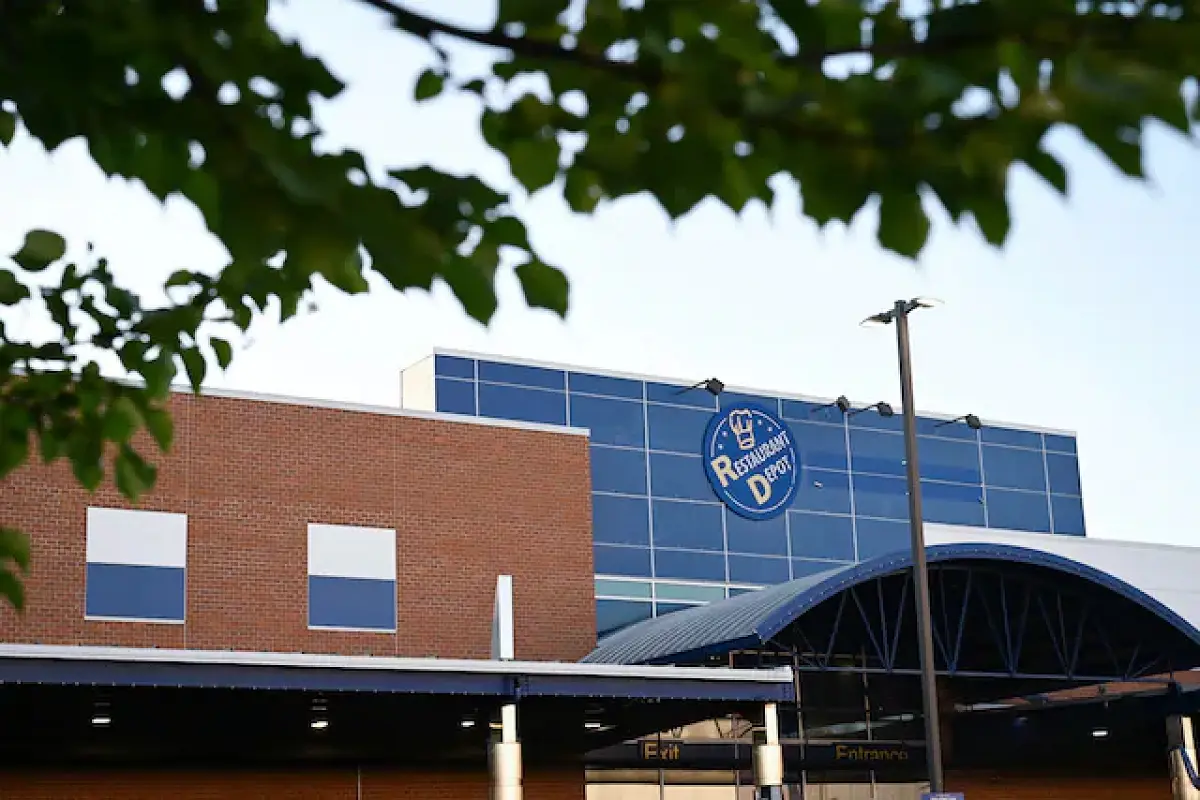
Morning light filters through the leaves outside a Restaurant Depot warehouse, its blue signage glowing above a loading dock where independent restaurant owners have quietly built their entire supply chains for years, one bulk pallet at a time. That familiar routine now sits under threat, not from rising rent or shifting customer tastes, but from a corporate deal unfolding far from any kitchen. The Sysco Restaurant Depot acquisition has moved from boardroom announcement to political flashpoint, drawing formal scrutiny from lawmakers who fear its consequences will ripple through restaurants nationwide.
Independent restaurant owners have been raising alarms since March, when Sysco, the food distribution giant, first announced plans to buy fellow wholesaler Jetro Restaurant Depot in a $29.1 billion deal. Operators warned from the outset that the acquisition could lead to higher prices, lower product choice and more restaurant closures, concerns that have only intensified in the months since the deal was first disclosed.
Lawmakers Formally Enter the Fight
Democratic lawmakers are now asking the Federal Trade Commission to investigate the proposed deal, a significant escalation from the earlier round of industry criticism that had largely come from restaurant owners themselves. Their involvement signals that concerns over the acquisition have moved beyond trade association statements and into formal regulatory territory, where the deal's fate could ultimately be decided.
That shift matters considerably for independent operators who have watched similar consolidation reshape other corners of the food supply chain in recent years, often with little recourse once deals were finalized. Political attention at this stage suggests the acquisition will not simply proceed unexamined, giving smaller restaurant owners at least a formal avenue through which their concerns can be weighed against the companies' own justifications for the merger.
Why Restaurant Depot Matters So Much to Independent Owners
For countless independent restaurants, Restaurant Depot functions as something closer to a lifeline than a simple supplier, offering the bulk pricing and product variety that smaller operators need to compete against chains with far greater purchasing power. Unlike larger restaurant groups that can negotiate favorable terms directly with major distributors, independent owners have historically relied on wholesale clubs like Restaurant Depot precisely because they level that pricing playing field.
Removing that competitive alternative, even partially, changes the calculus for thousands of small business owners who may have few remaining options if Sysco and Restaurant Depot operate under one corporate umbrella. That consolidation risk sits at the heart of why operators sounded alarms so quickly once the deal was first announced.
What a $29.1 Billion Deal Signals About Industry Consolidation
A transaction of this scale represents one of the more significant consolidation moves within the food distribution sector in recent memory, reflecting broader pressures pushing large distributors toward fewer, larger players rather than a fragmented, competitive marketplace. For an industry already operating on thin margins, particularly among independent restaurants, further consolidation upstream in the supply chain threatens to compress those margins even further.
Sysco's own scale as a distribution giant means this acquisition would not simply add a competitor to its portfolio, but potentially eliminate one of the few remaining wholesale options many small restaurant owners depend on directly. That distinction, absorbing a genuine alternative rather than a marginal competitor, appears central to why this particular deal has drawn such immediate and organized pushback. Full details on Sysco's operations and corporate strategy are available on the official Sysco website.
Farmers Caught in the Same Crosscurrent
Restaurant owners are not the only stakeholders voicing concern over this proposed merger. Lawmakers have specifically noted that farmers, too, stand to be affected by reduced competition among major food distributors, since fewer buyers at the wholesale level can translate directly into diminished negotiating power for the producers supplying that food in the first place.
That dual concern, spanning both ends of the supply chain, from farm to restaurant kitchen, illustrates how consolidation at the distributor level rarely stays contained to a single link in the chain. When wholesale buying power concentrates into fewer hands, both the producers selling into that system and the restaurants purchasing from it can find themselves with fewer options and less leverage over pricing.
What Independent Restaurants Are Already Bracing For
Operators warning of potential restaurant closures are not speaking hypothetically. Many independent restaurants already run on tight margins, and any meaningful increase in wholesale food costs, even a modest percentage shift, can be enough to push a struggling establishment past the point of viability. That vulnerability explains why restaurant owners moved quickly to raise concerns back in March, well before the deal reached any formal regulatory review.
Supply chain disruptions of various kinds have already tested independent restaurants' resilience in recent years, a pattern echoed in how operators elsewhere have had to adapt quickly to unexpected operational pressures, including the recent disruptions covered in Charlotte restaurants navigating widespread power outages. Whether the source is a utility failure or a supply chain consolidation, independent operators consistently find themselves absorbing risks that larger, more diversified restaurant groups can weather more easily.
What Happens Next in the Regulatory Process
With lawmakers now formally requesting an FTC investigation, the proposed acquisition faces a review process that could significantly delay, reshape or potentially block the deal entirely, depending on what regulators find once they examine its competitive implications more closely. That review will likely weigh Sysco's own justifications for the acquisition against the specific concerns raised by both restaurant owners and the political figures now amplifying those objections.
For the independent restaurant owners who have relied on Restaurant Depot's warehouse aisles for years, the outcome of that review carries consequences far beyond a corporate transaction. It touches directly on whether the wholesale pricing and product variety that has long helped smaller kitchens compete against larger chains will remain available, or whether one more piece of the food supply chain quietly consolidates into fewer, more powerful hands.