Tokyo Chicken Rice Reveals a New Singaporean Star
Tokyo chicken rice fans are flocking to Chatterbox Cafe in Marunouchi, where Singapore's iconic Mandarin chicken rice gets an upscale Tokyo treatment.
 RUKAIYA KADIWAL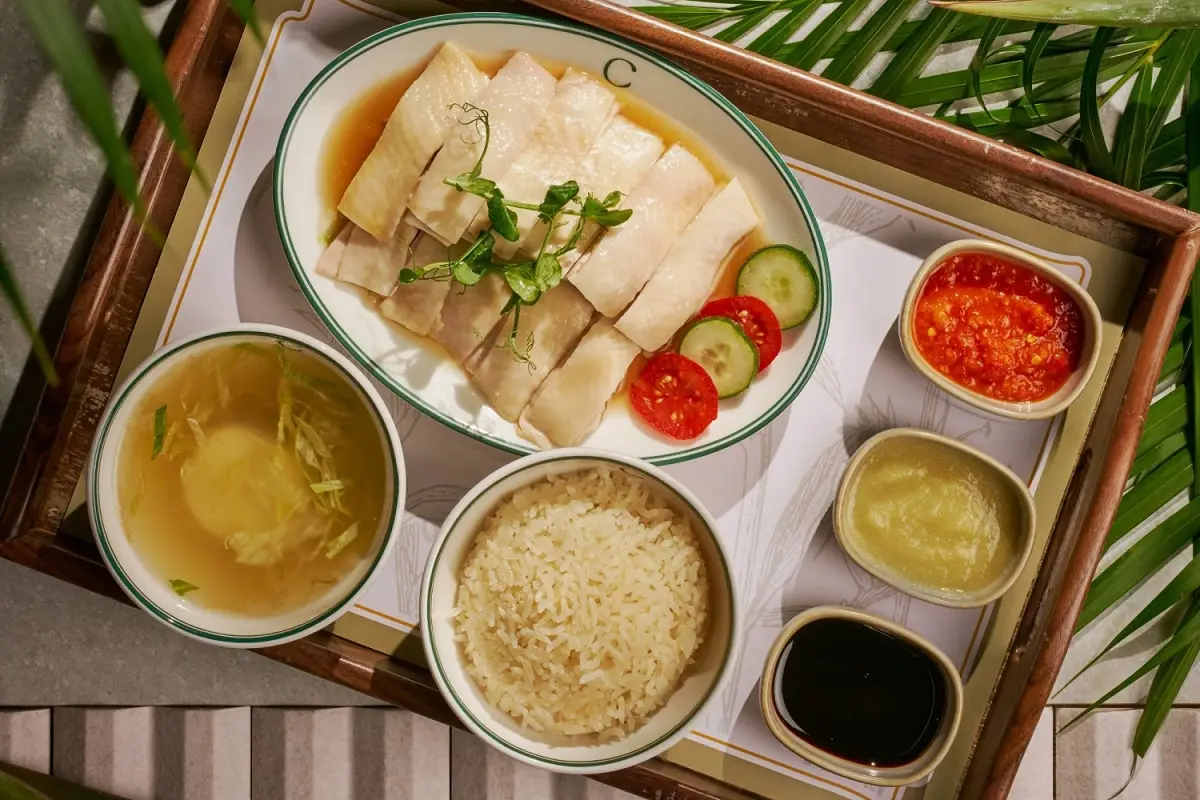
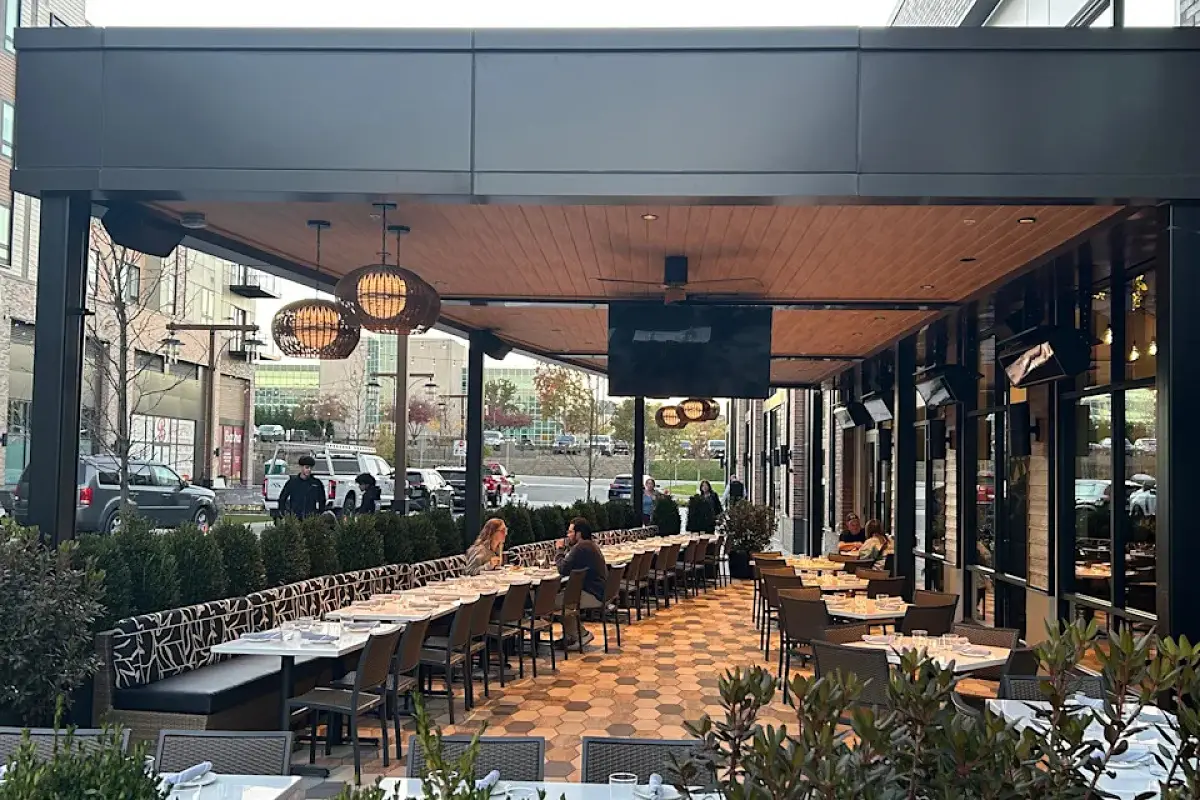
Ninety seats fill within minutes of opening, salarymen loosening their ties beside camera ready tourists, all of them waiting for the same dish. On a recent afternoon at a Marunouchi cafe that opened its first permanent Tokyo location in January, nearly every table orders the same plate, sliced chicken breast and thigh laid over glistening rice, a small bowl of soup steaming alongside. This is the current center of gravity for Tokyo chicken rice, and the crowd suggests the city has been waiting for exactly this arrival.
Tokyo's culinary landscape has never lacked for regional specialties, and chicken rice itself is far from unfamiliar territory here. What makes this particular opening notable is the pedigree behind it, a legendary Singaporean name staking a genuine claim to the city's evolving chicken rice scene rather than simply adding another entry to an already crowded field.
A Singapore Icon Lands in Marunouchi
Chatterbox Cafe Tokyo represents an upmarket approach to a dish that, in its home country, is often associated with hawker stalls and unpretentious lunch counters rather than polished business district dining rooms. Its arrival in Marunouchi, one of Tokyo's most prestigious commercial neighborhoods, signals a deliberate repositioning of chicken rice as a dish worthy of refined presentation rather than purely casual consumption.
That repositioning matters within the broader context of how Southeast Asian cuisine continues finding new audiences across Japan. A dish once confined largely to casual, budget friendly settings is now being reintroduced through an entirely different lens, one built around considered plating, quality ingredients and a dining room designed for a lunch crowd willing to sit and savor rather than eat quickly and move on.
What Makes the Mandarin Chicken Rice Stand Out
Central to the menu is the Mandarin chicken rice, the specific preparation that first earned the original Singapore restaurant its enduring fame. Priced at 2,800 yen, roughly 17.60 US dollars, the dish arrives as a composed trio, sliced chicken breast and thigh, fragrant jasmine rice and a light chicken based soup, each element built to support the others rather than compete for attention.
The chicken itself is served separately from the rice, drizzled with soy sauce and poaching stock that keeps the meat notably moist and tender throughout the meal. That technique, poaching rather than roasting, preserves a delicacy in the meat's texture that distinguishes properly executed Mandarin chicken rice from lesser imitations found elsewhere in the city.
The Rice That Some Consider the Real Star
Many longtime fans of the dish argue the rice itself, rather than the chicken, deserves top billing, and Chatterbox Cafe's version supports that argument convincingly. The grains are sauteed in chicken fat before being cooked in the same stock used to poach the meat, a process that results in rice that carries deep, savory flavor in every bite rather than serving merely as a neutral base.
That oily, fragrant quality transforms what might otherwise be a simple side into something closer to the dish's defining element, a detail that longtime Singaporean diners in particular tend to notice and appreciate immediately upon tasting it.
Why Marunouchi Restaurants Are Embracing This Shift
Marunouchi has spent recent years cultivating a reputation as one of Tokyo's more dynamic dining districts, moving beyond its traditional identity as a purely corporate business hub. The neighborhood's growing appetite for internationally recognized culinary names reflects a broader pattern across the city, where diners increasingly seek out authentic regional specialties from across Asia rather than settling for locally adapted approximations.
For a restaurant group expanding beyond its home market, choosing Marunouchi as a flagship Tokyo location carries strategic weight. The area's concentration of office workers provides a reliable weekday lunch crowd, while its broader reputation for quality dining draws weekend visitors and tourists eager to sample something distinctly different from the ramen shops and sushi counters more commonly associated with Japanese capital dining. Full menu and location details are available on the official Chatterbox Cafe website.
What This Opening Signals for Tokyo's Dining Scene
The steady rise of Singaporean chicken rice in Tokyo reflects something larger than a single restaurant's success. It points to a city increasingly comfortable importing entire dining concepts wholesale, rather than adapting foreign cuisines to fit existing Japanese expectations. That willingness to embrace authenticity, even at premium price points, marks a meaningful shift in how Tokyo diners engage with international food culture.
Restaurants navigating cross border expansion face distinct challenges beyond recipe fidelity, from staffing and ingredient sourcing to adapting service styles for new audiences, challenges that echo across the hospitality industry more broadly, including in how unexpected moments shape a restaurant's identity, as seen recently when Sir Ian McKellen's visit brought new attention to Etta Restaurant in Christchurch, proving that a single afternoon can reshape how a dining room is perceived far beyond its home city.
A Dish Worth the Wait
By the time the lunch rush subsides at Chatterbox Cafe, empty plates stack quietly near the kitchen pass, each one a small testament to a dish that has traveled far from its hawker stall origins without losing what made it beloved in the first place. Whether this signals a lasting new chapter for chicken rice in Tokyo or simply one particularly successful opening remains to be seen, but for now, the full tables tell their own story, one bowl of savory rice at a time.